RwandaTourism
Rwanda is the 'land of a thousand hills' — a small, dense, green country that pivots tourism around three things almost no one else has: mountain gorillas in Volcanoes National Park, a model of post-genocide national reconciliation centred on Kigali, and an Indian Ocean–rivalling lake at Kivu in the west.
A country measured in horizons.
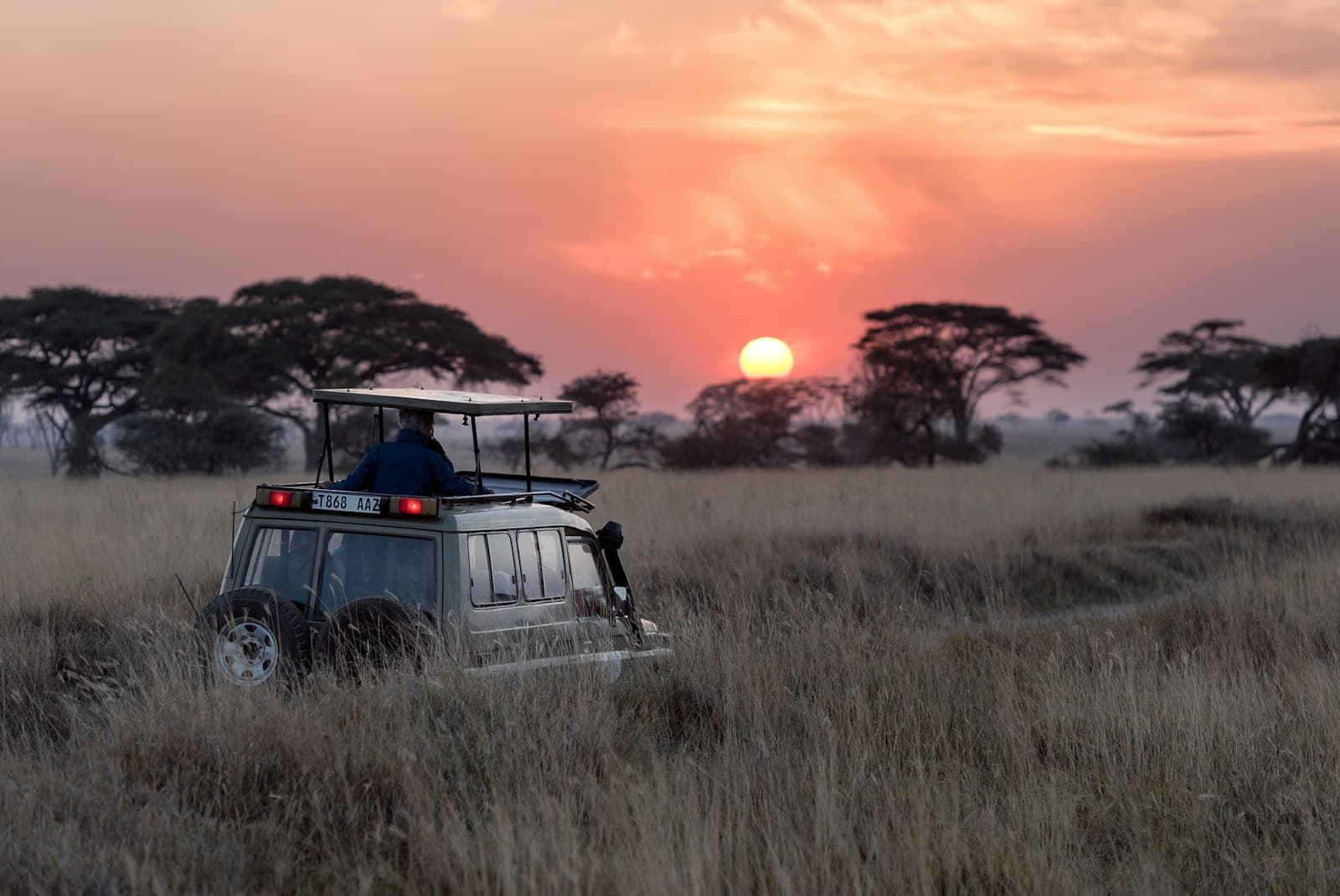
Rwanda's geography compresses dramatically. The country fits inside Maryland, but the elevation runs from 950 metres at Lake Kivu's shore to 4,500 metres at Mount Karisimbi in the Virunga chain. That topography means almost nowhere is flat — Kigali itself climbs across four ridges, and the hour-long drive from the airport to Volcanoes National Park is a near-continuous switchback. The west falls into the Albertine Rift, with Lake Kivu's deepwater shore and the Nyungwe Forest's chimpanzees and canopy walkway. The east opens into Akagera, a savanna park that holds elephants, lions reintroduced in 2015, and rhinos reintroduced in 2017.
Mountain gorillas are the headline. About a thousand survive globally, and roughly half live in the Virunga massif that Rwanda shares with Uganda and the DRC. Permits to track a gorilla family in Volcanoes National Park run USD 1,500 per person per day — a deliberately high bar that funds conservation and limits visitor pressure. Treks last anywhere from one to six hours, depending on which family the rangers are tracking, and the encounter itself is held to one hour. Golden monkeys, also habituated, are a softer alternative at about a third of the price.
Travel here is the most organised in East Africa. Kigali consistently ranks among the cleanest capitals on the continent; plastic bags have been banned since 2008. The Kigali Genocide Memorial is a near-mandatory first stop — a place to begin understanding the 1994 genocide before the tourism conversation moves to gorillas. Roads are paved to all major destinations; English replaced French as the primary language of education in 2008. The dry season (June–September) is the most reliable time for gorilla trekking; the short rains in October–November and long rains in March–May make trails muddier but the forests greener.
Practical info.
Climate
Best time: June–September (dry, best gorilla trekking conditions); December–February (short dry season).
Visa & entry
Visa-on-arrival for all African Union nationals; eVisa for others. Apply at irembo.gov.rw or pay USD 50 on arrival. East Africa Tourist Visa (KE/RW/UG) USD 100, valid 90 days.
Money
Rwandan franc (RWF). Mobile money is widely accepted; carry some cash for rural travel.
Safety & health
Anti-malarial cover for low-elevation regions; standard travel insurance recommended.
How is Rwanda measured?
Tourism is the story; data is the context. Health, population, economy and climate indicators across Rwanda — sourced from the World Bank, WHO and UNICEF.
See Rwanda in numbers