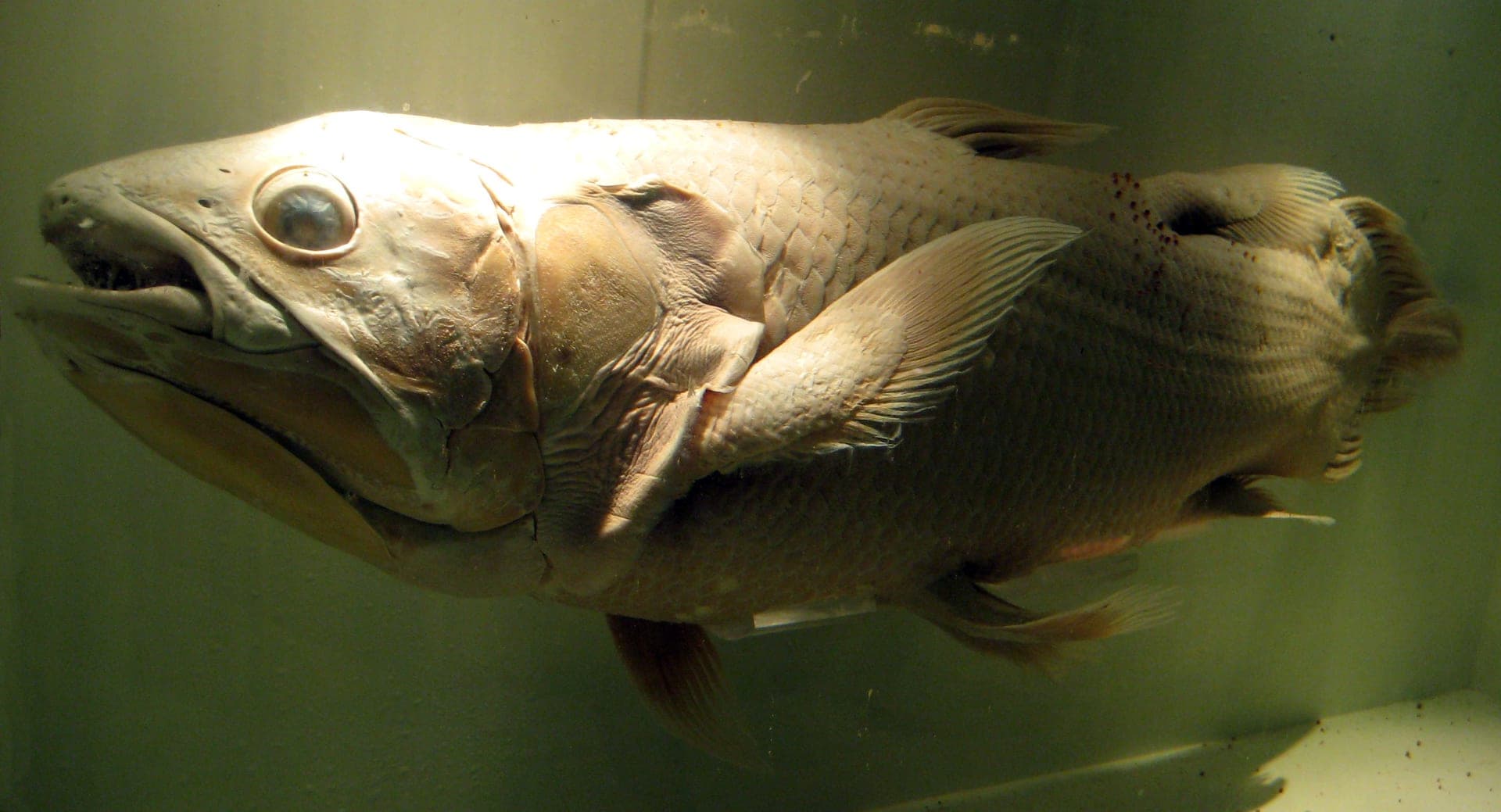
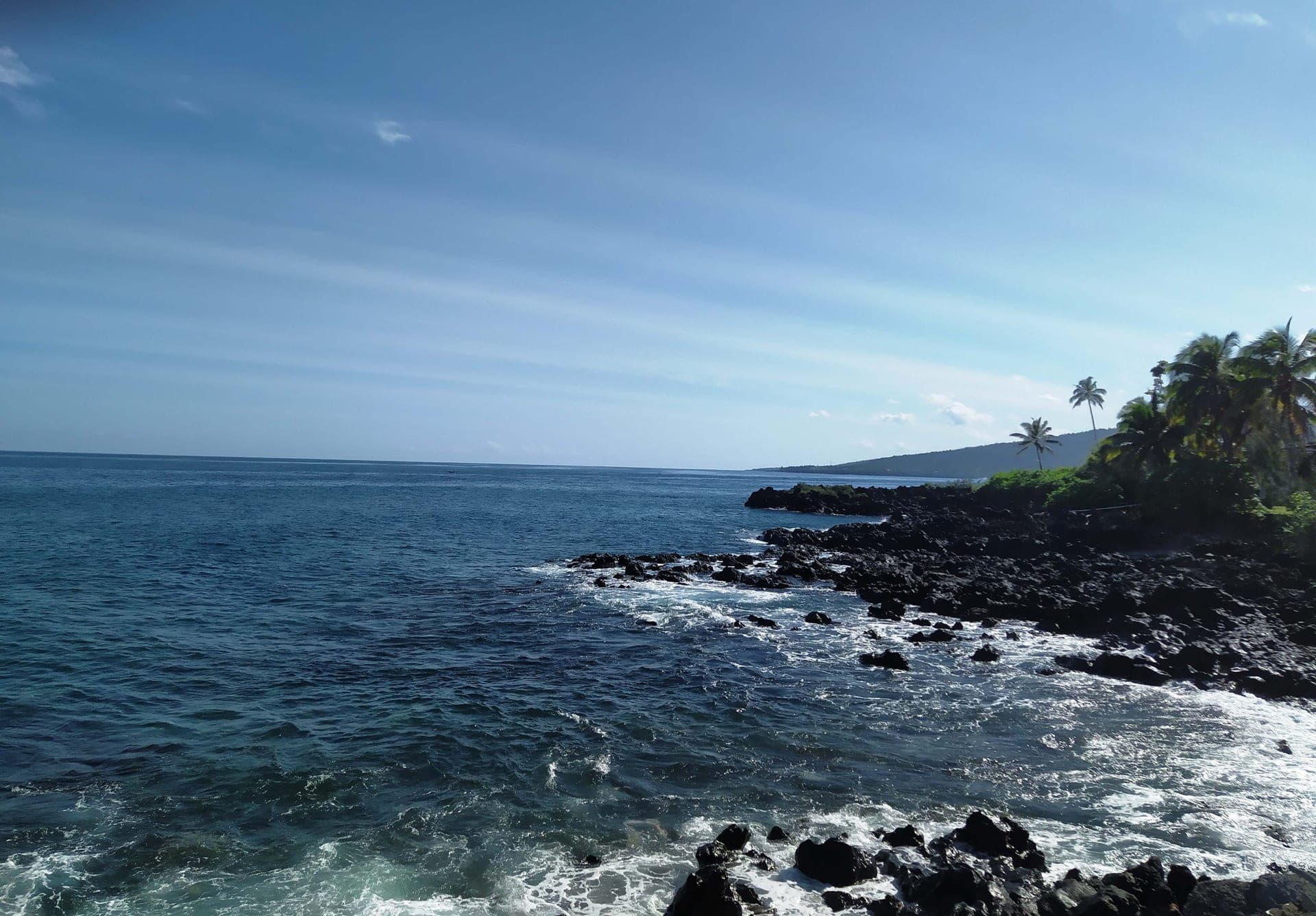
 Photo by Radosław Botev, CC BY 3.0 PL, via Wikimedia Commons
ComorosTourism
A volcanic archipelago in the Mozambique Channel known as the 'Perfume Islands' for its ylang-ylang and clove plantations, Comoros holds one of the world's largest active volcanoes on Grande Comore and one of its least-visited coastlines.
A country measured in horizons.
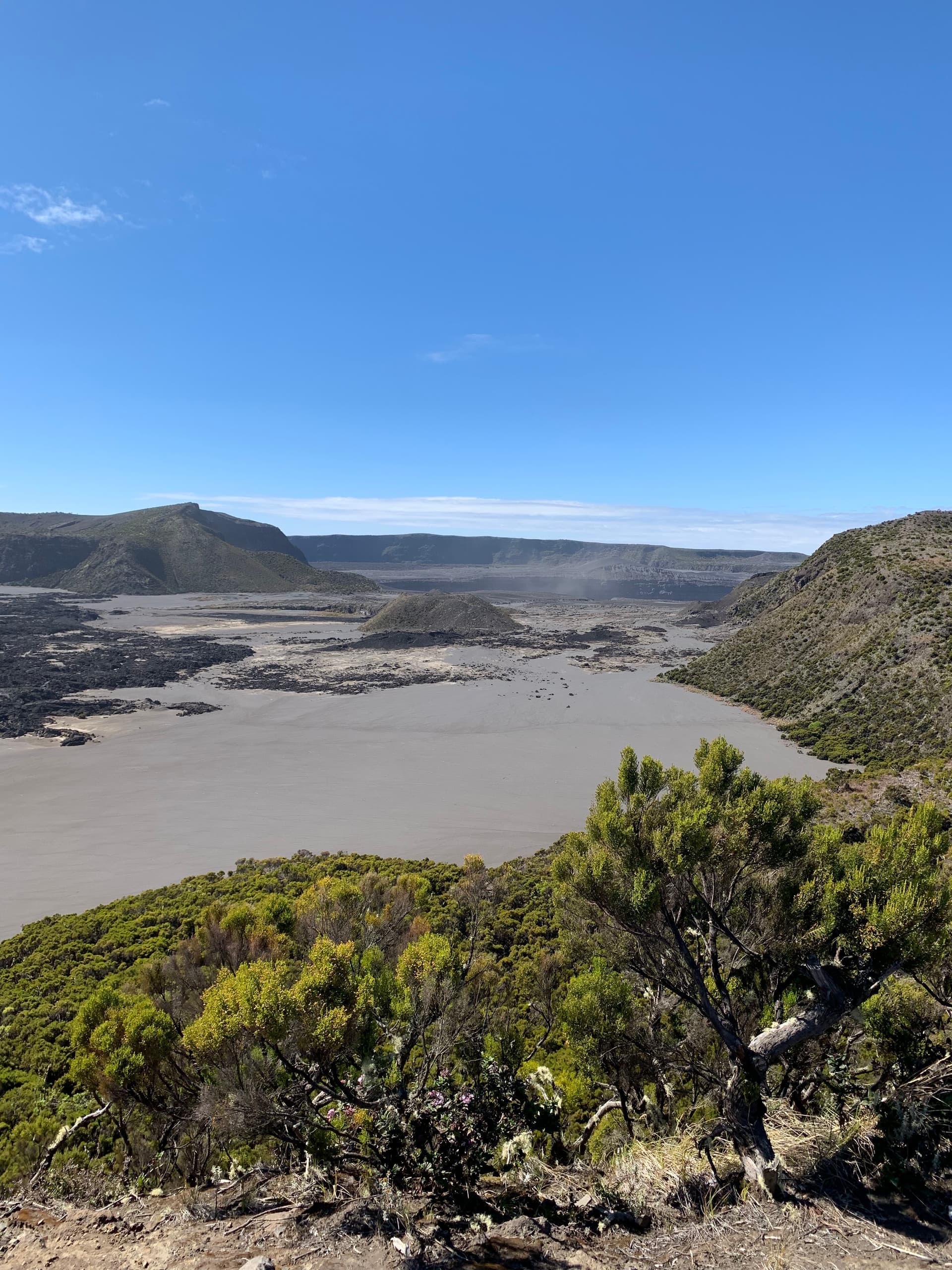
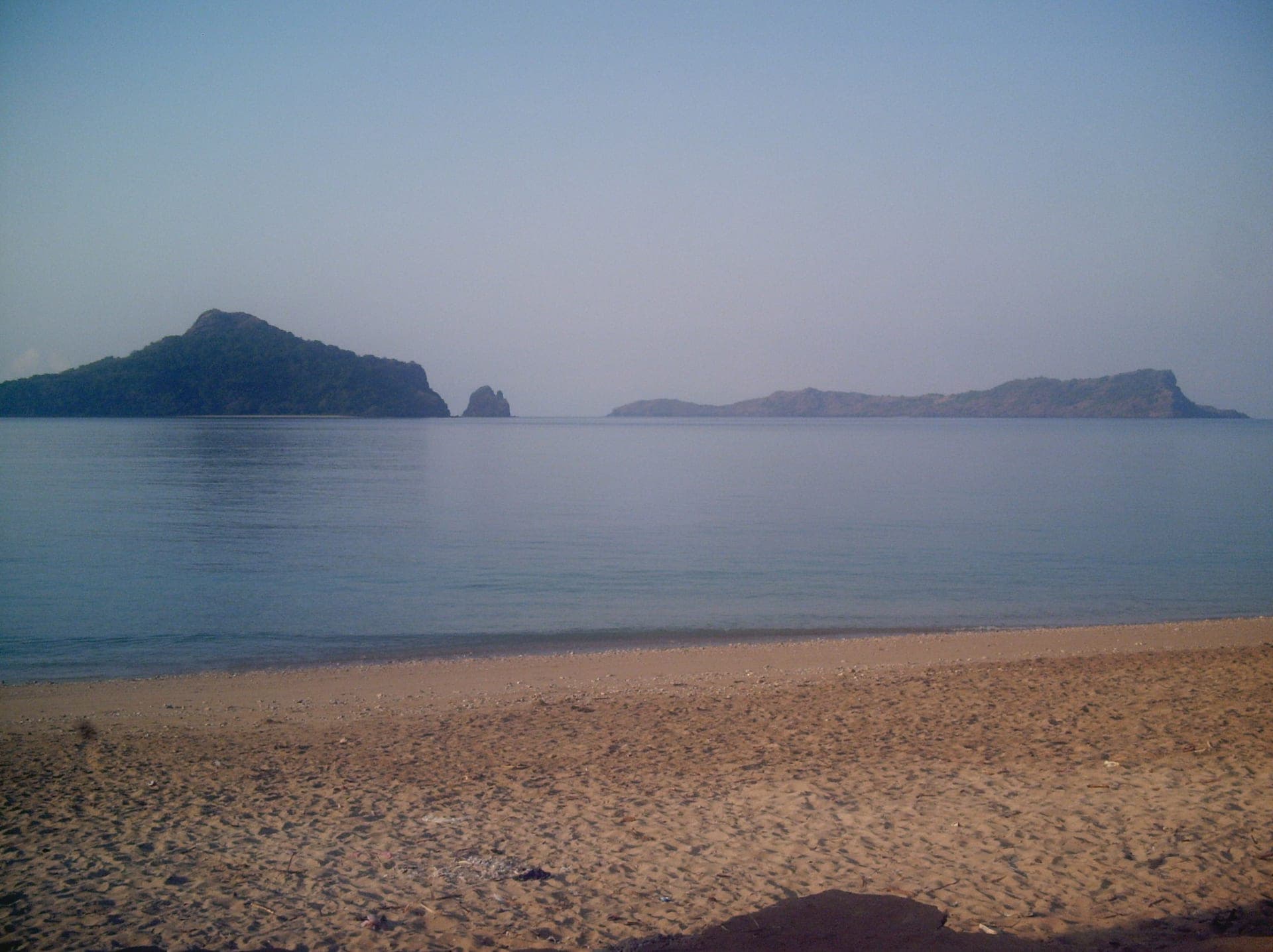
Comoros is made up of three main volcanic islands — Grande Comore (Ngazidja), Mohéli (Mwali), and Anjouan (Nzwani) — plus the disputed fourth island of Mayotte, which voted to remain French in a contested 1974 referendum and is administered separately by France. Grande Comore is dominated by Mount Karthala, an active shield volcano rising to 2,361 metres with a caldera roughly 3 kilometres wide and 400 metres deep, one of the largest and most active volcanoes on Earth; its most recent significant eruption was in 2005, and the summit trek remains accessible via a multi-day hike from the southern slopes. Comoros also has an outsized claim to ichthyological fame: the coelacanth, a fish long thought extinct since the age of dinosaurs, was rediscovered alive off Anjouan in 1938, and a small museum in Moroni is dedicated to the find. Mohéli, the smallest and least populated island, holds Mohéli National Park, a marine reserve protecting nesting green turtles, dugongs, and a humpback whale migration corridor — among the more significant sea-turtle nesting sites in the western Indian Ocean.
Comoros has one of the most turbulent post-independence records on the continent — more than 20 coups or attempted coups since independence from France in 1975, many orchestrated or supported by the French mercenary Bob Denard, who effectively ran the country's presidential guard for over a decade. Azali Assoumani, a former army colonel who first seized power in a 1999 coup, has dominated politics since, serving as president from 2002–2006 and again continuously since 2016, most recently re-elected in the 2024 presidential election; he used a December 2025 'Vision 2026' address to prioritise infrastructure, energy, and governance reform over campaign promises, while opposition figures have criticised his stated intention to eventually hand power to his son when his current term ends in 2029. Economically, Comoros remains heavily dependent on remittances from its large diaspora (concentrated in France) and on exports of ylang-ylang essential oil, vanilla, and cloves — it is one of the world's largest producers of ylang-ylang, the base note in many French perfumes, which is why the islands carry the nickname 'Perfume Islands.'
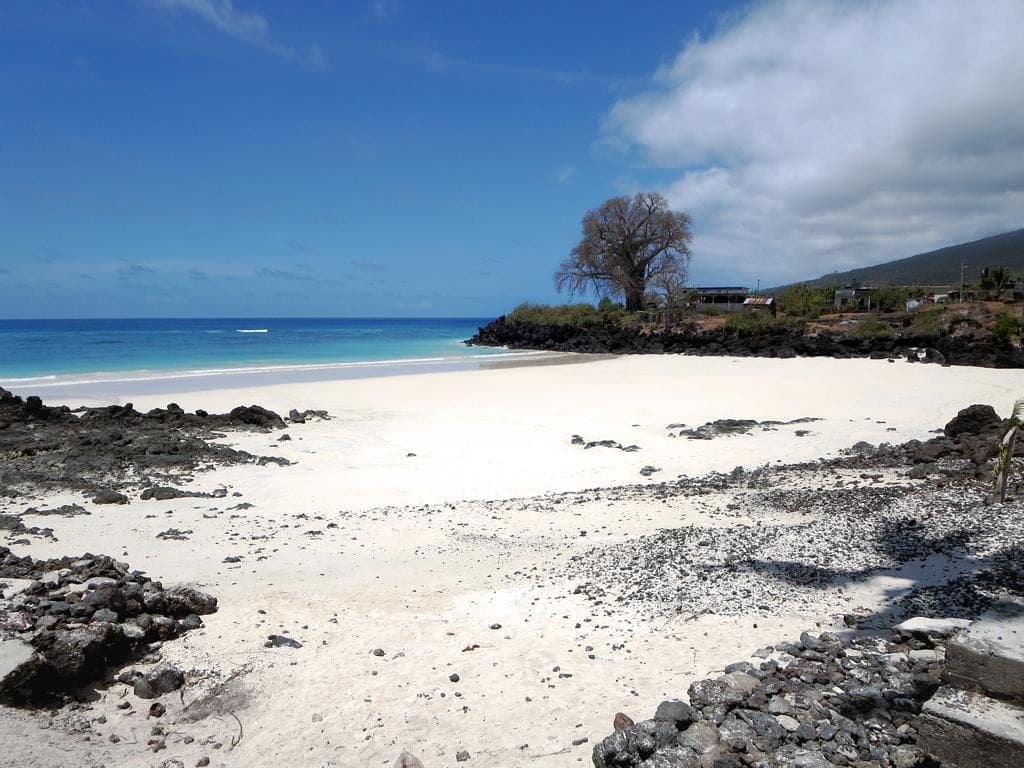
Most international flights arrive at Prince Said Ibrahim International Airport near Moroni on Grande Comore, with more limited onward hops to Mohéli and Anjouan. Comoros issues a straightforward visa on arrival to travelers of any nationality at a cost of roughly EUR 30–50 for a single-entry stay of up to 45 days, requiring a passport valid 6 months, a return or onward ticket, and proof of sufficient funds — no advance application is needed. The dry season from May to October is the more comfortable window, with lower humidity and calmer seas for diving and snorkeling around the coral reefs; the wet season from November to April is hot and humid and coincides with cyclone risk in the Mozambique Channel, particularly January–March. Tourism infrastructure remains minimal compared to nearby Seychelles or Mauritius — a genuine off-the-beaten-path Indian Ocean destination rather than a resort circuit.
Practical info.
Climate
Best time: May–October (dry season; lower humidity, calmer seas for diving); Nov–Apr is hot/humid with cyclone risk Jan–Mar.
Visa & entry
Visa on arrival for all nationalities, up to 45 days, single entry. Comoros grants a visa on arrival to travelers of any nationality at Moroni's international airport, costing roughly EUR 30–50 for a single-entry stay of up to 45 days — no advance application needed. Passport must be valid 6+ months, with a return/onward ticket and proof of sufficient funds required. Cyclone risk in the Mozambique Channel peaks January–March; tourism infrastructure is minimal outside Moroni and a handful of dive resorts.
Money
Comorian franc (KMF, pegged to the euro). Mobile money is widely accepted; carry some cash for rural travel.
Safety & health
Anti-malarial cover for low-elevation regions; standard travel insurance recommended.
How is Comoros measured?
Tourism is the story; data is the context. Health, population, economy and climate indicators across Comoros — sourced from the World Bank, WHO and UNICEF.
See Comoros in numbers