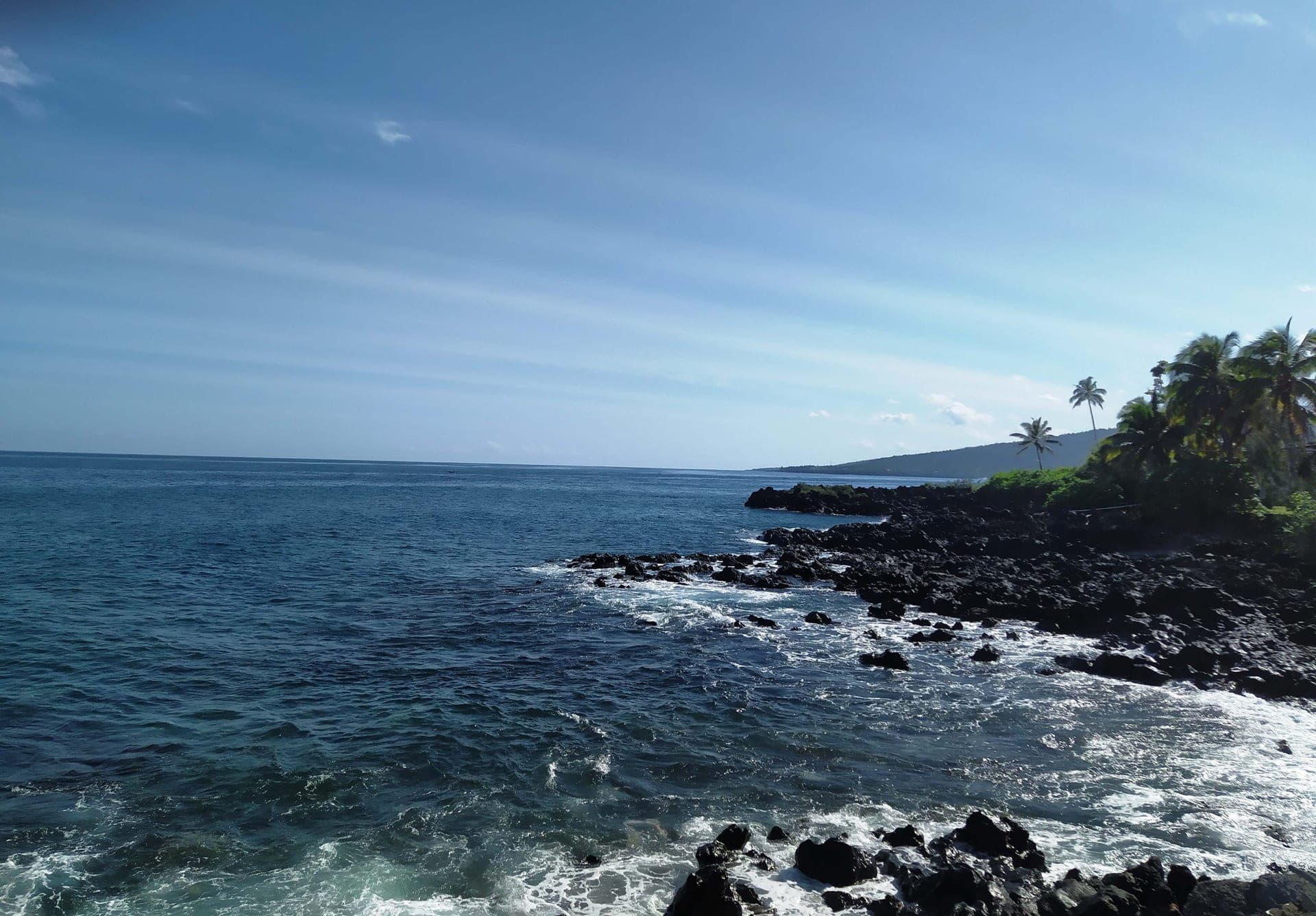
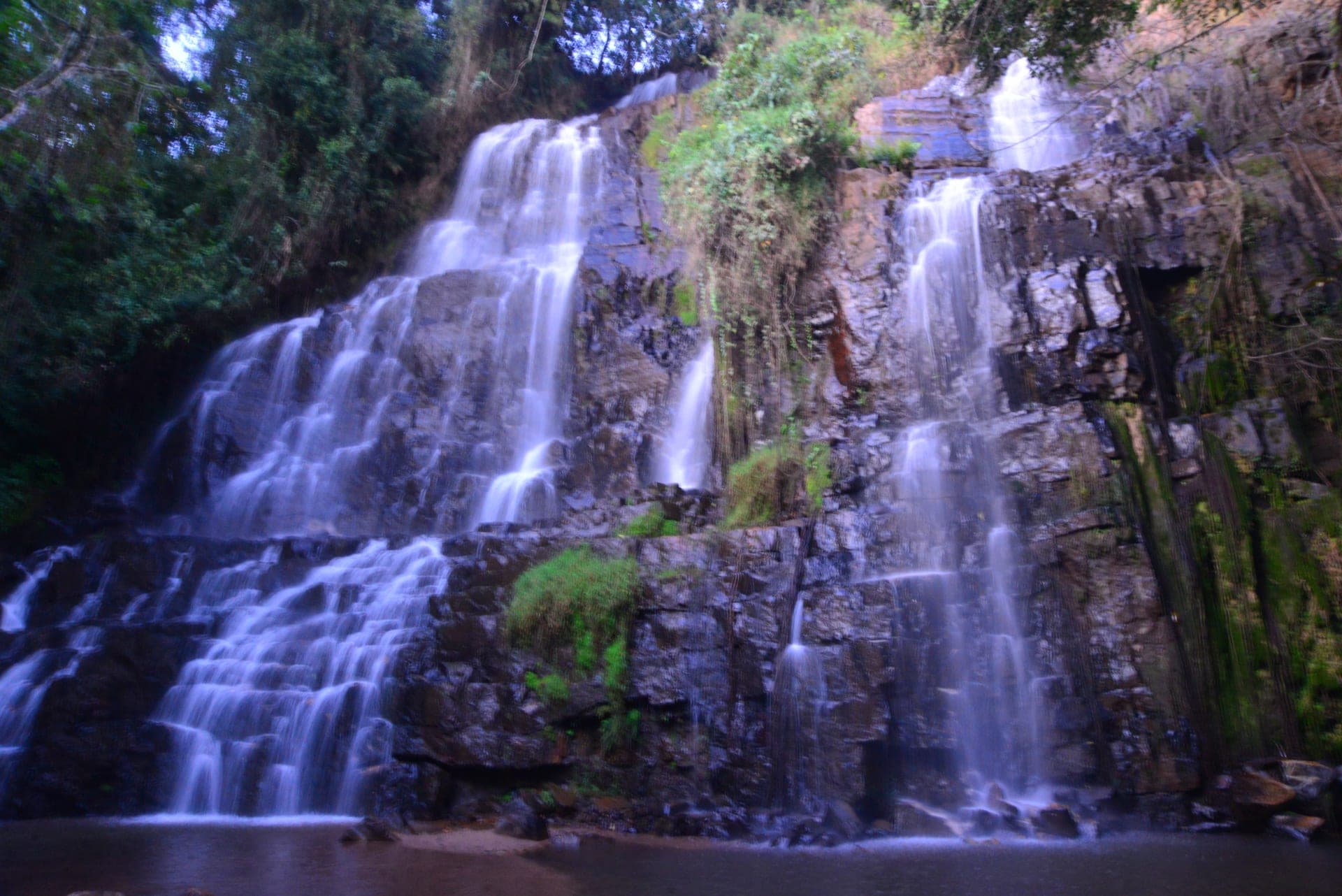
Photo by Andreas31, CC BY-SA 3.0, via Wikimedia Commons
BurundiTourism
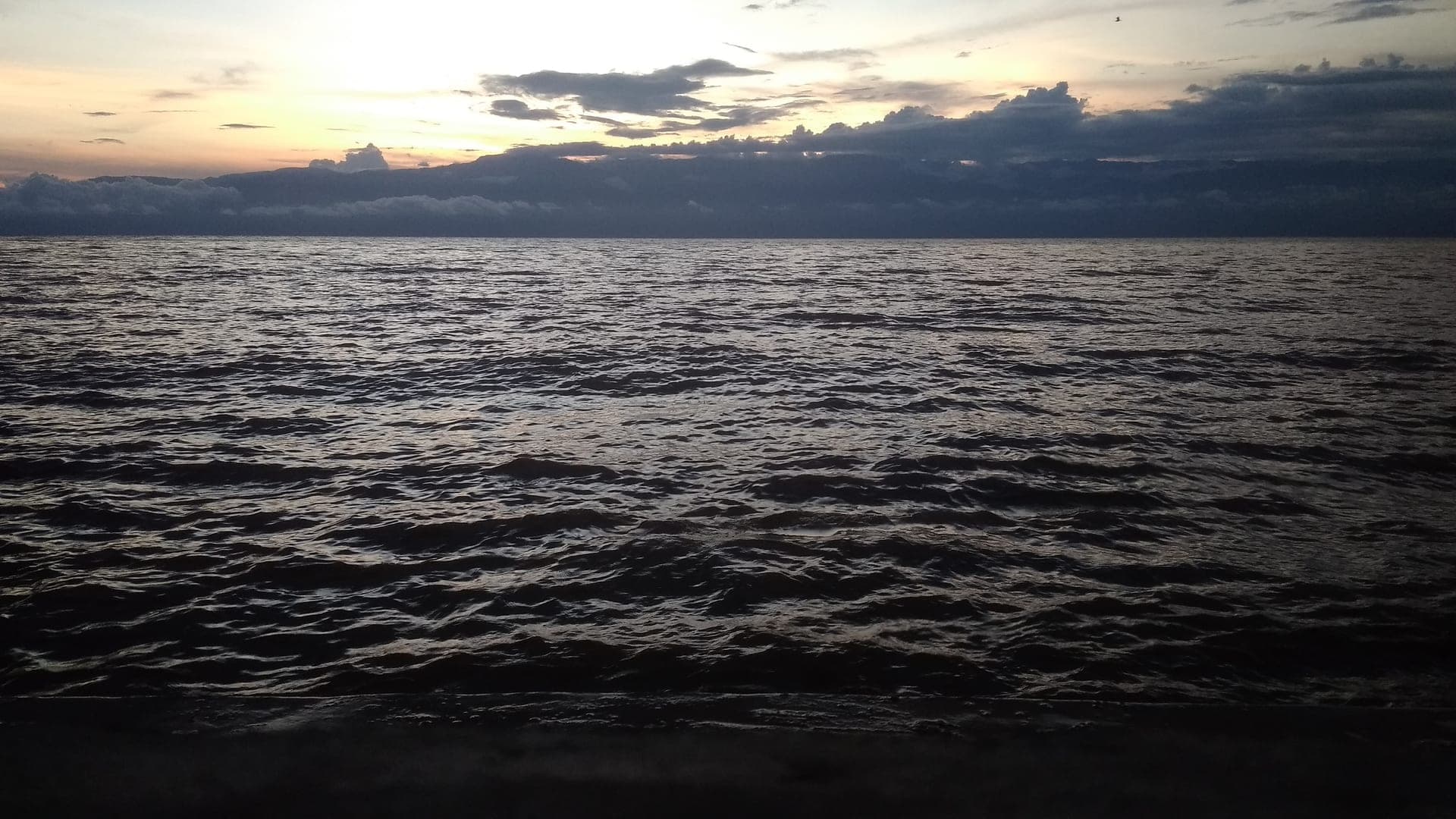
A small, densely populated highland country on Lake Tanganyika's northern shore, Burundi holds a genuine claim to being the Nile's ultimate wellspring, a UNESCO-recognised royal drumming tradition, and one of the last small wild chimpanzee populations left in its shrinking forest reserves.
A country measured in horizons.
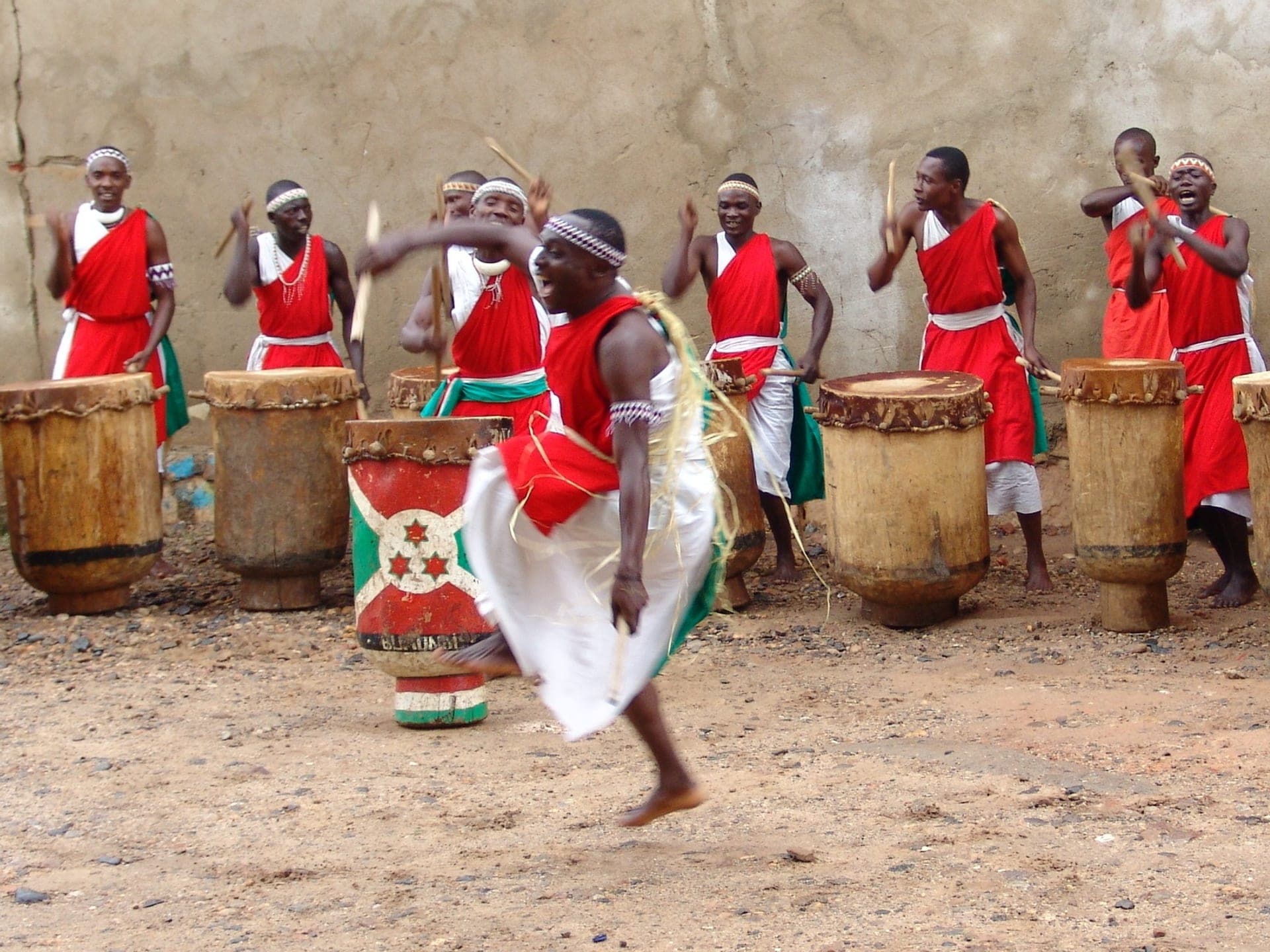
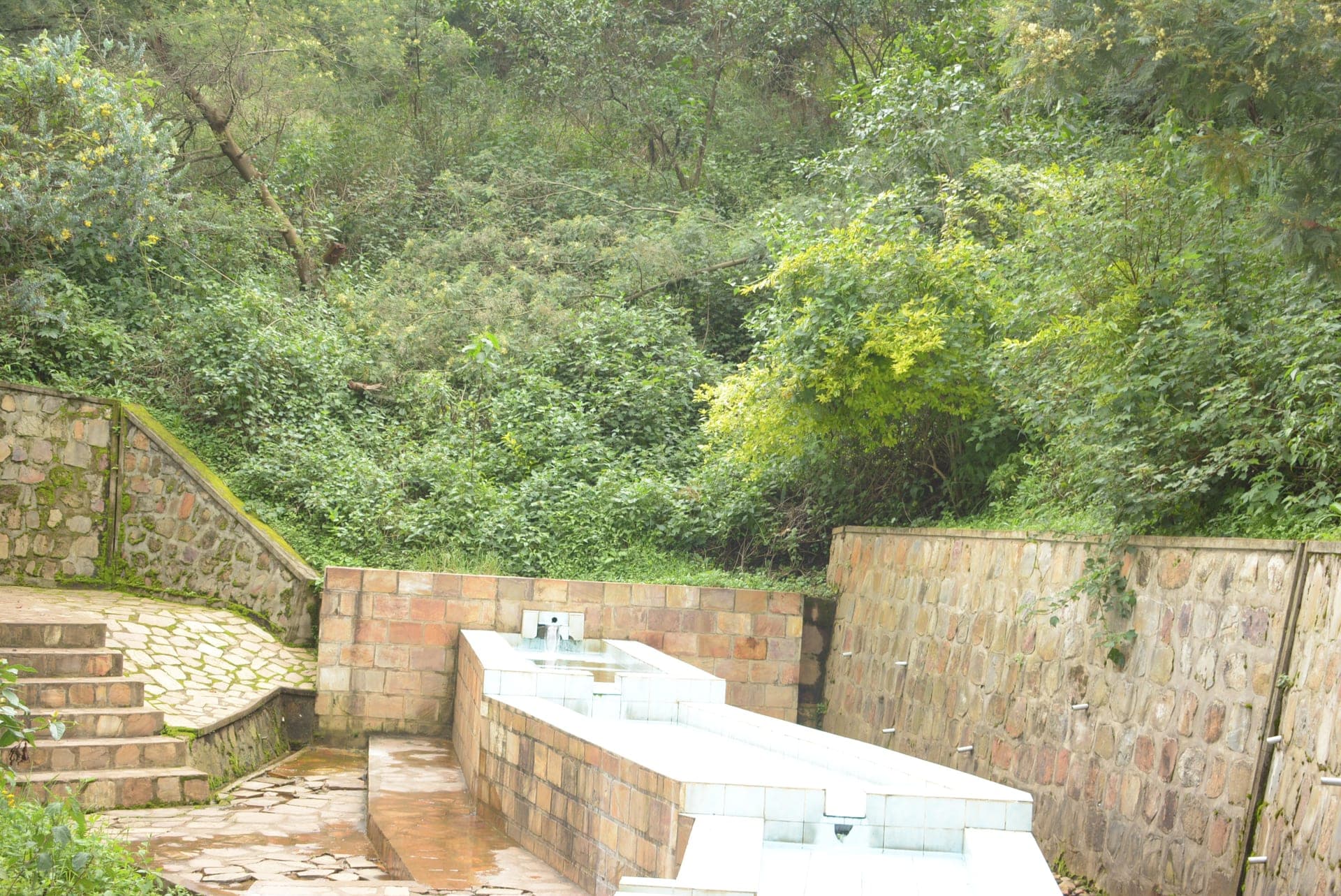
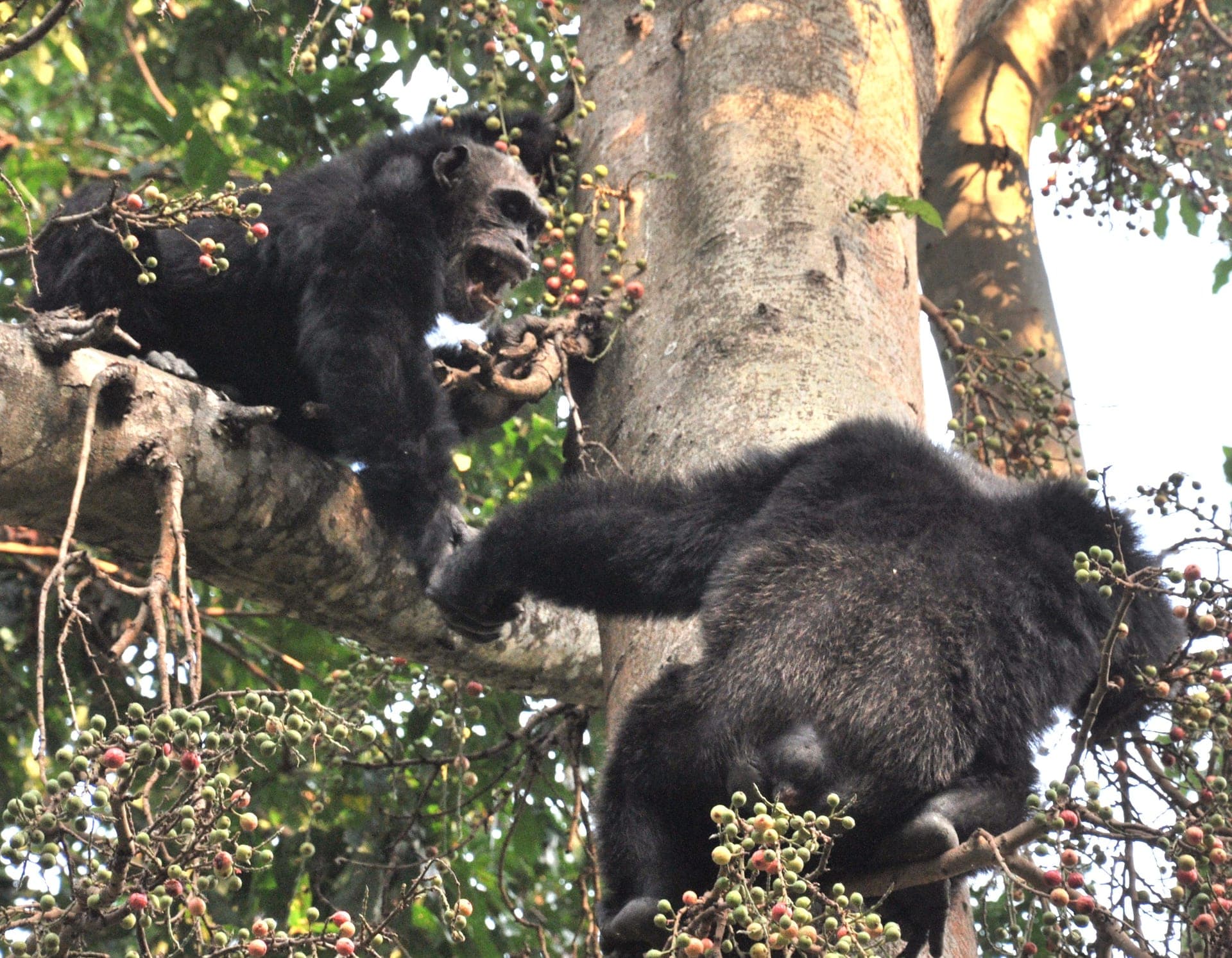
Near Rutovu in Bururi Province, a stone pyramid on Mount Gikizi marks what German explorer Burkhart Waldecker identified in 1937 as the southernmost source of the Nile — the pyramid itself, erected in 1938 and inscribed 'CAPUT NILI MERIDIANISSIMUM' ('the most southerly head of the Nile'), sits at the start of a drainage system that eventually feeds the river more than 6,000 kilometres downstream in Egypt. Closer to the political capital, the Gishora Drum Sanctuary was built in 1903 by King Mwezi IV Gisabo and remains home to Burundi's sacred royal drums and the Abatimbo drummers; Burundian royal drumming was inscribed by UNESCO as Intangible Cultural Heritage of Humanity in 2014. In Rumonge Province's forested escarpment above Lake Tanganyika, the 4,670-hectare Vyanda Nature Reserve protects one of the country's last isolated wild chimpanzee populations, numbering roughly 140 individuals at a 2009 census, alongside montane forest that has otherwise been heavily cleared elsewhere in Burundi. In the southeast, Rutana Province's Chutes de la Karera — sometimes locally referenced as the Kagera falls, though the river system involved is distinct from the Kagera that forms the Rwanda–Tanzania border further north — is a waterfall system on Burundi's UNESCO World Heritage Tentative List, added in 2007 alongside the nearby Nyakazu Fault.
President Évariste Ndayishimiye, in office since June 2020, holds Burundi's rotating African Union chairmanship for 2026, using the platform to prioritise water and sanitation access across the continent's development agenda; his party has already nominated him for re-election in 2027. Relations with Rwanda have deteriorated sharply since 2024, when Burundi closed its land border amid the crisis in eastern DR Congo — Ndayishimiye has publicly accused Rwanda of 'malicious' and 'expansionist' intentions, alleging Rwanda arms Burundian refugees to fight in the DRC, and the border remained closed and tense through this research pass in mid-2026; given how fast this situation has moved, it's worth checking current status again close to any planned trip. The US State Department rates Burundi Level 3 — Reconsider Travel overall, citing political violence, crime, and health concerns, with specific areas — parts of Bujumbura's former Central Market, Cibitoke and Bubanza provinces, and Kibira National Park — rated Level 4 — Do Not Travel due to armed violence; the UK FCDO similarly advises against all travel to several western communes and roads near the DRC border, tied to rebel activity and spillover from the conflict in South Kivu.
Visas are available on arrival at Bujumbura's Melchior Ndadaye International Airport and at land borders, generally around USD 90 for a stay of up to 30 days, though some sourcing suggests a shorter limit for certain nationalities — worth confirming directly before travel; an e-visa can also be arranged in advance via the General Commissariat for Migration's website. Burundi's highland elevation moderates its tropical climate, with Bujumbura on the lake noticeably warmer than the central highlands around Gitega; the country sees two dry seasons, a longer one from roughly June to August and a shorter one around December–January, split by two wetter periods, with the June–August window generally the most comfortable for travel.
Practical info.
Climate
Best time: Jun–Aug (main dry season, most comfortable for travel); shorter secondary dry spell around Dec–Jan.
Visa & entry
Visa on arrival or e-visa (~USD 90, up to 30 days). Visas are available on arrival at Bujumbura's international airport and land borders, generally around USD 90 for up to 30 days, though some sourcing suggests shorter limits for certain nationalities — confirm directly before travel. An e-visa can also be arranged in advance via the General Commissariat for Migration's website. The US State Department rates Burundi Level 3 — Reconsider Travel overall, with parts of Bujumbura, Cibitoke and Bubanza provinces, and Kibira National Park rated Level 4 — Do Not Travel due to armed violence near the DR Congo border.
Money
Burundian franc (BIF). Mobile money is widely accepted; carry some cash for rural travel.
Safety & health
Anti-malarial cover for low-elevation regions; standard travel insurance recommended.
How is Burundi measured?
Tourism is the story; data is the context. Health, population, economy and climate indicators across Burundi — sourced from the World Bank, WHO and UNICEF.
See Burundi in numbers