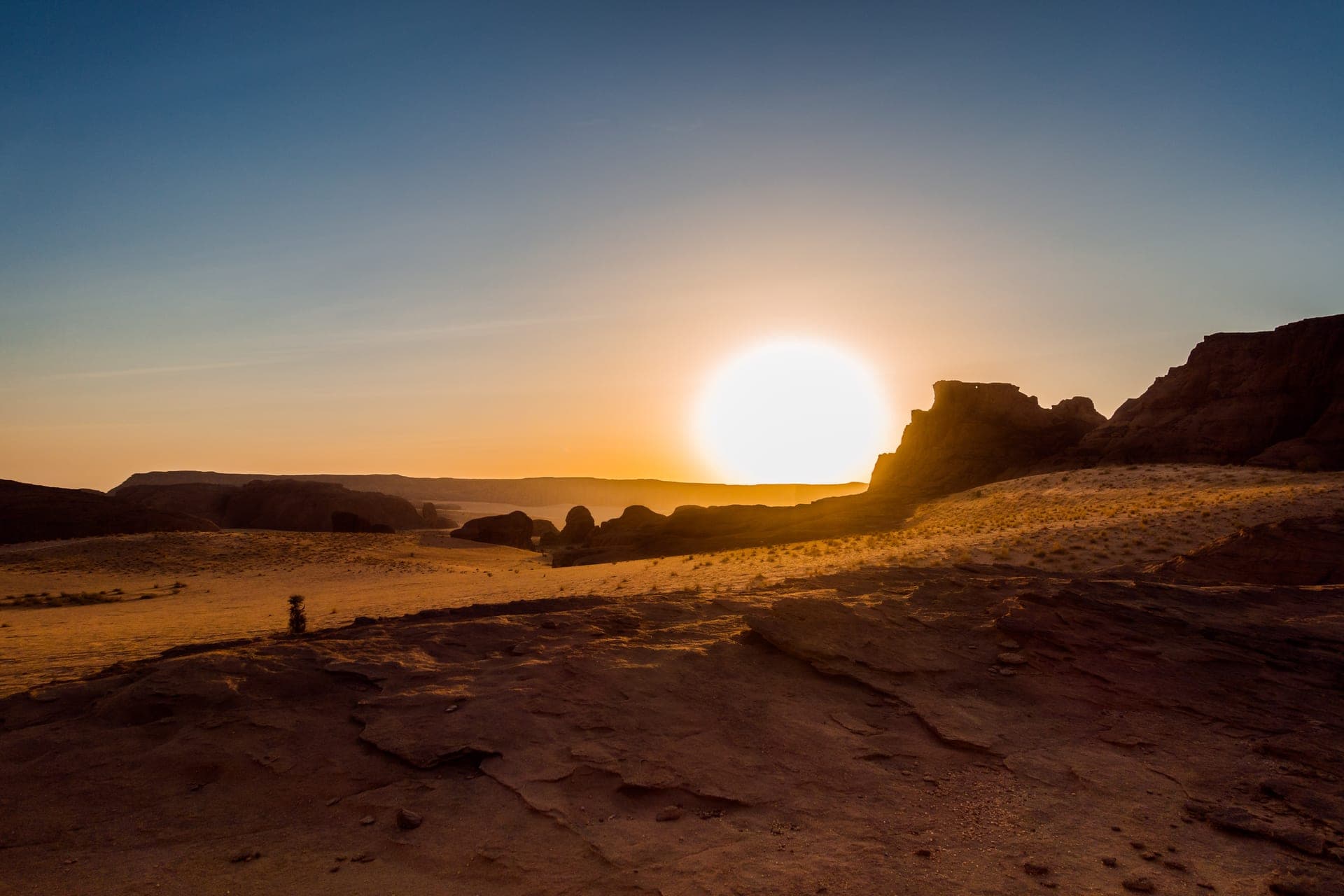
Photo by Philippe Bourachot, CC BY-SA 3.0, via Wikimedia Commons
São Tomé and PríncipeTourism
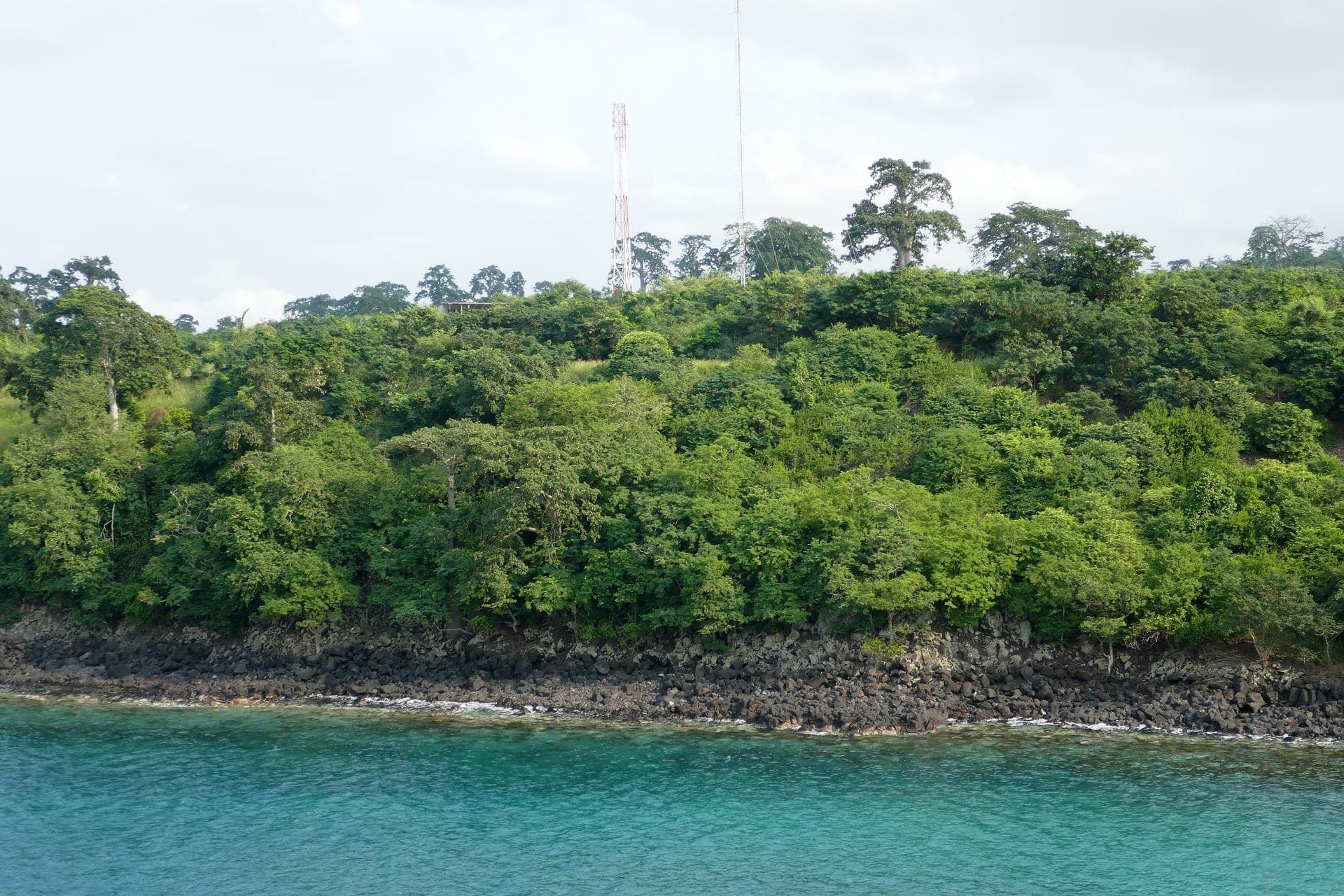
A pair of volcanic islands on the equator off Central Africa's coast, São Tomé and Príncipe pack a needle-sharp volcanic spire, faded colonial cocoa plantations, and some of the least-crowded beaches in the Gulf of Guinea into a country smaller than greater London.
A country measured in horizons.
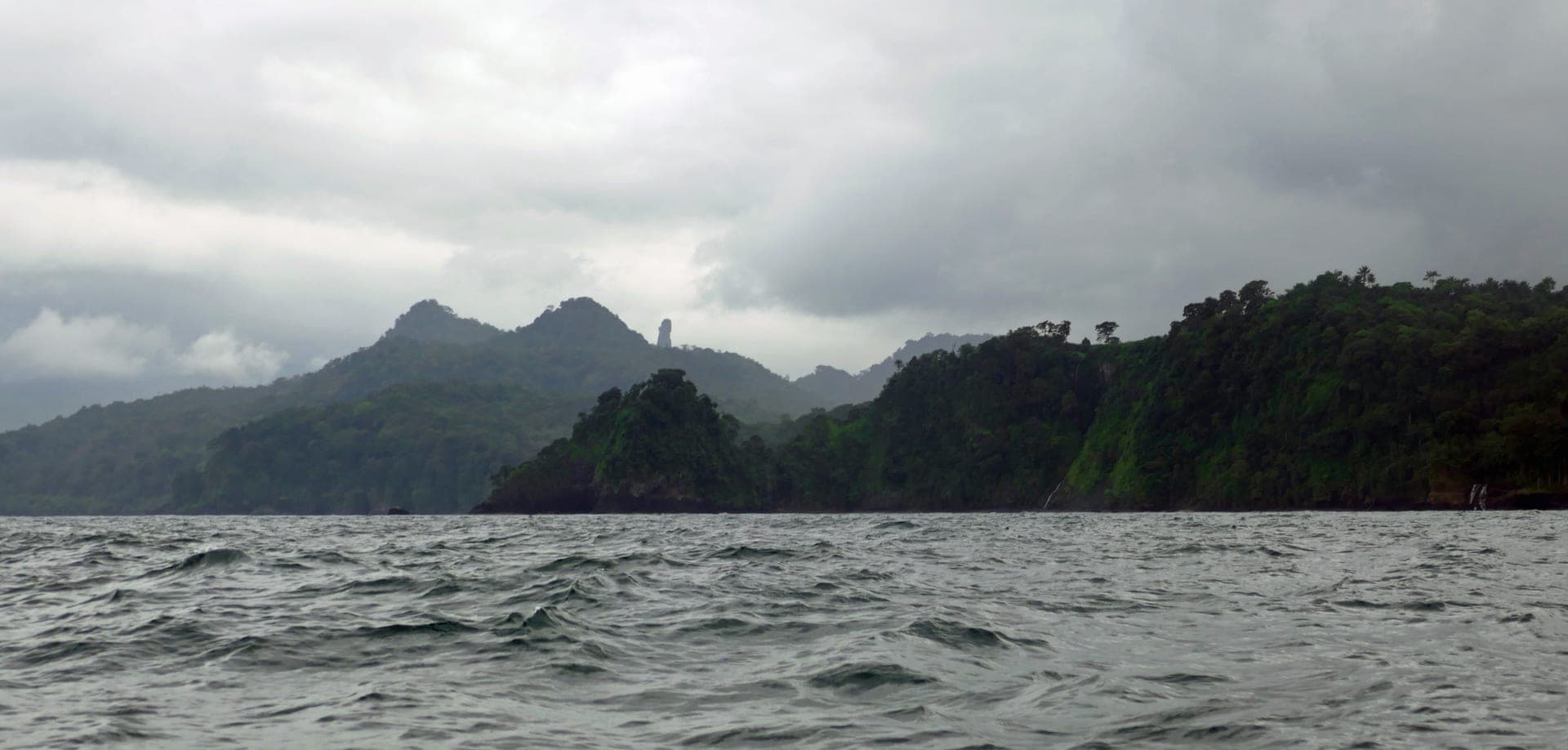
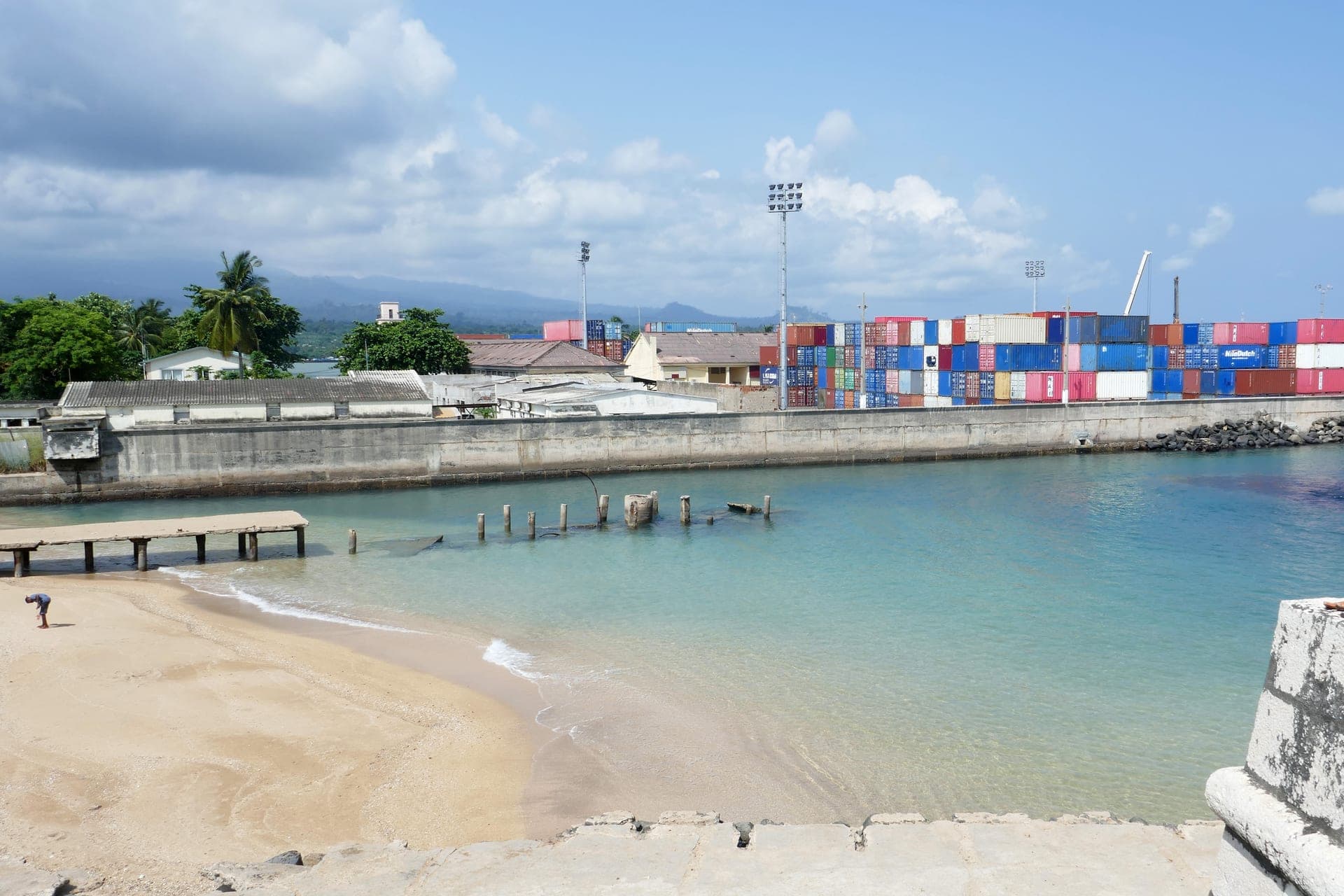
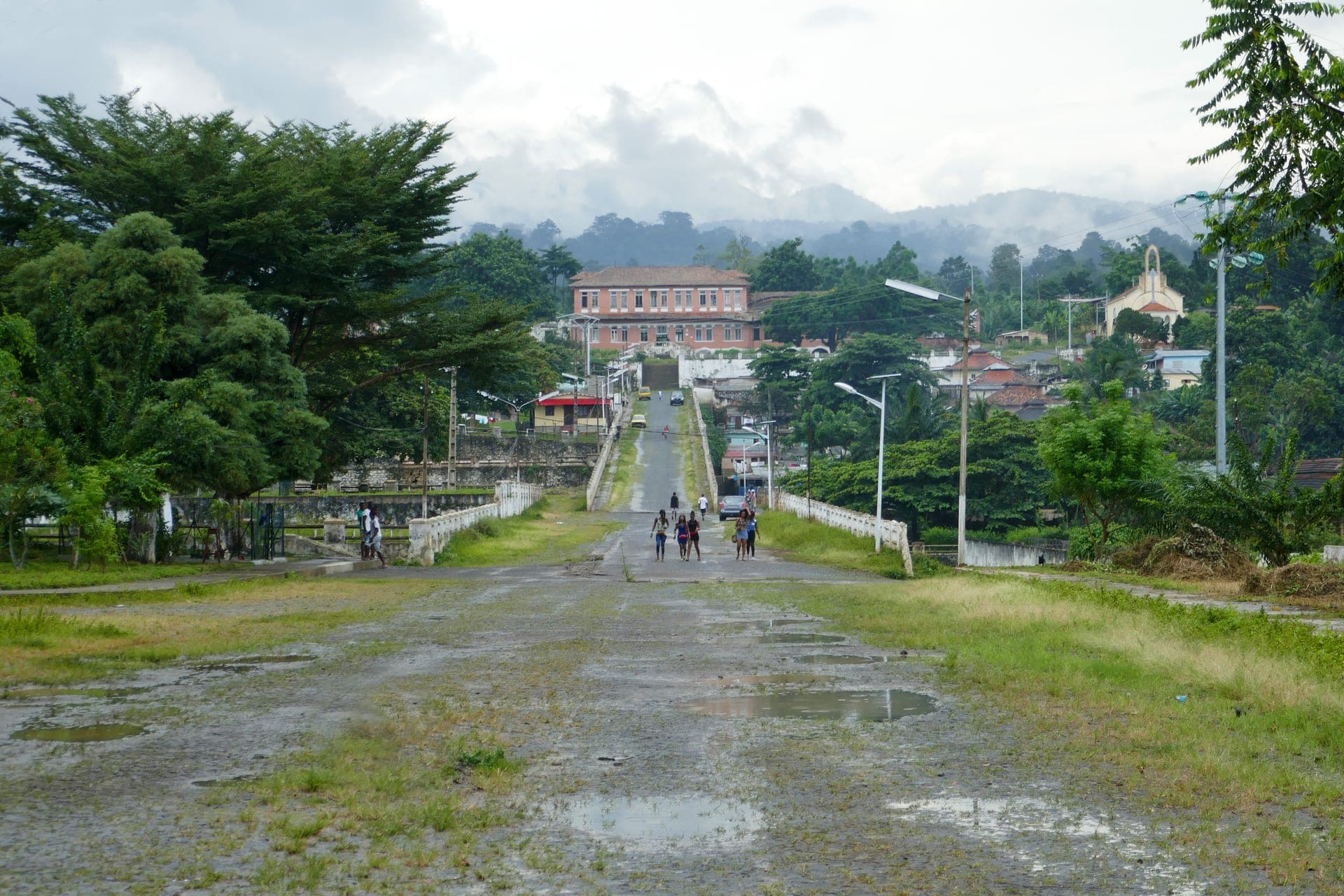
São Tomé island's most photographed landmark is Pico Cão Grande, a near-vertical volcanic plug rising 370 metres above the surrounding rainforest inside Obô Natural Park — formed around 3.5 million years ago along the Cameroon volcanic line, its phonolite walls make it a serious technical climb rather than a casual hike, and it's usually seen and photographed from viewpoints along the southern road rather than ascended. The capital, São Tomé, retains Portuguese colonial architecture from the country's founding role in the 15th- and 16th-century Atlantic sugar trade, including Fort São Sebastião, now the national museum, and the presidential palace. Along the north coast near Guadalupe, Lagoa Azul (Blue Lagoon) is a sheltered bay of clear turquoise water with volcanic rock swim-throughs, popular for snorkelling and occasional dolphin sightings where the lagoon meets open Atlantic. Roça Agostinho Neto, the island's largest former cocoa plantation at 3,380 hectares, was originally called Rio do Ouro before being renamed in 1979 for Angola's first president in recognition of Angolan support during independence; it remains open for guided tours of its colonial-era buildings and cocoa-drying yards. On Príncipe, the smaller and quieter of the two main islands, Praia Banana is a small crescent bay within the Roça Belo Monte estate, reached through the plantation or by boat and known for postcard-aquamarine water.
The islands were long considered among Africa's more politically stable states, but 2025–26 has brought real friction: President Carlos Vila Nova dismissed Prime Minister Patrice Trovoada in January 2025, citing prolonged absences and governance failures, a move Trovoada called unconstitutional, and Vila Nova installed a replacement PM without parliamentary endorsement. A presidential election is scheduled for 19 July 2026 — a genuinely contested race including Elsa Pinto, who would be the country's first woman president — with a parliamentary election following in September. In response, the US State Department raised its advisory from Level 2 to Level 3 (Reconsider Travel) on 8 April 2026, citing unrest risk tied to the election calendar alongside longstanding concerns about very limited trauma and ambulance care; this is a meaningful change from the islands' longer-running reputation as one of the continent's calmest destinations, worth checking again closer to a planned trip.
Most visitors need an e-visa arranged in advance through the eVisaST system, typically processed in about a week; UK citizens are visa-exempt for stays up to 15 days but pay a EUR 20 entry fee on arrival, and requirements for US passport holders should be verified directly with eVisaST.gov.st before travel, as sourcing on this point is inconsistent. A passport valid at least 12 months is required. The dry season ('gravana') from June to September is the best window for travel, with the clearest water for diving and snorkelling at Lagoa Azul and elsewhere; the wet season runs October through May, with a slightly drier spell sometimes noted around December–February.
Practical info.
Climate
Best time: Jun–Sep ('gravana' dry season, best diving/snorkelling visibility); Oct–May wetter, with a drier spell often noted Dec–Feb.
Visa & entry
E-visa required in advance for most nationalities; UK citizens visa-exempt up to 15 days (EUR 20 entry fee). Most nationalities need an e-visa arranged in advance via the eVisaST system, typically processed in about a week. UK citizens are visa-exempt for stays up to 15 days but pay a EUR 20 entry fee on arrival. US passport holder requirements are inconsistently sourced — verify directly with eVisaST.gov.st before travel. A passport valid 12+ months is required. The US State Department raised its advisory to Level 3 — Reconsider Travel in April 2026, citing unrest risk around the July 2026 presidential election and very limited trauma/medical care.
Money
Dobra (STN, pegged to the euro). Mobile money is widely accepted; carry some cash for rural travel.
Safety & health
Anti-malarial cover for low-elevation regions; standard travel insurance recommended.
How is São Tomé and Príncipe measured?
Tourism is the story; data is the context. Health, population, economy and climate indicators across São Tomé and Príncipe — sourced from the World Bank, WHO and UNICEF.
See São Tomé and Príncipe in numbers