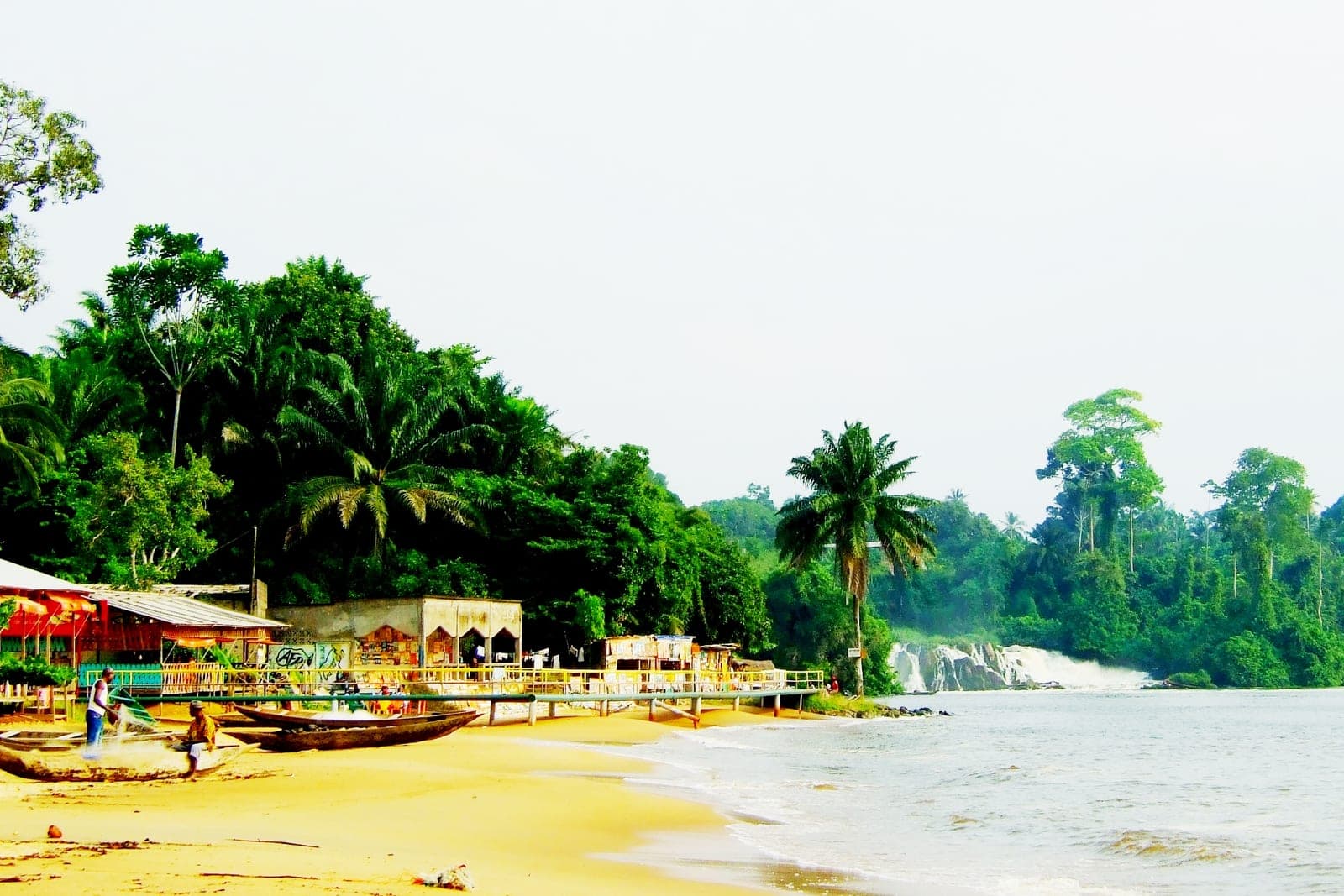
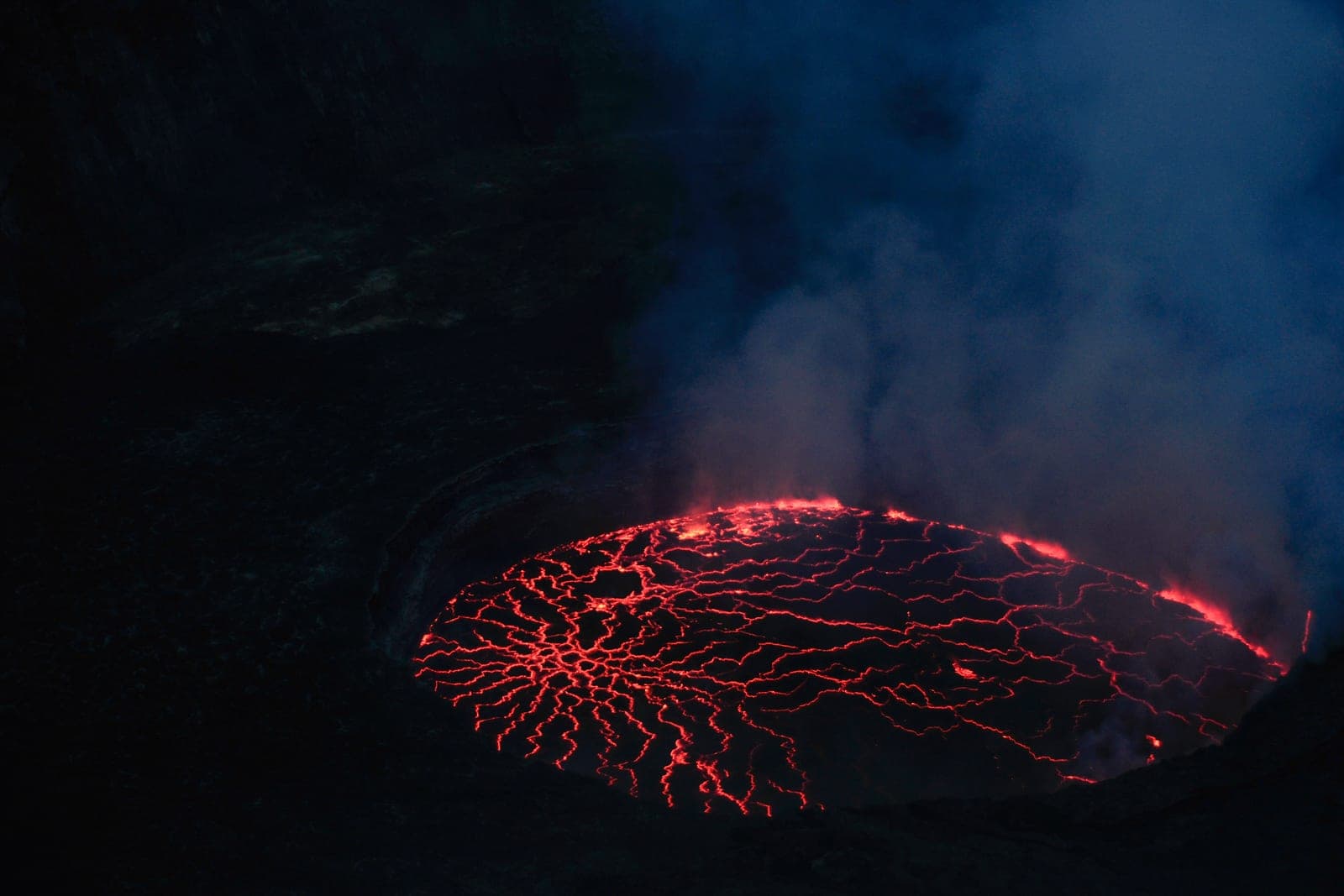
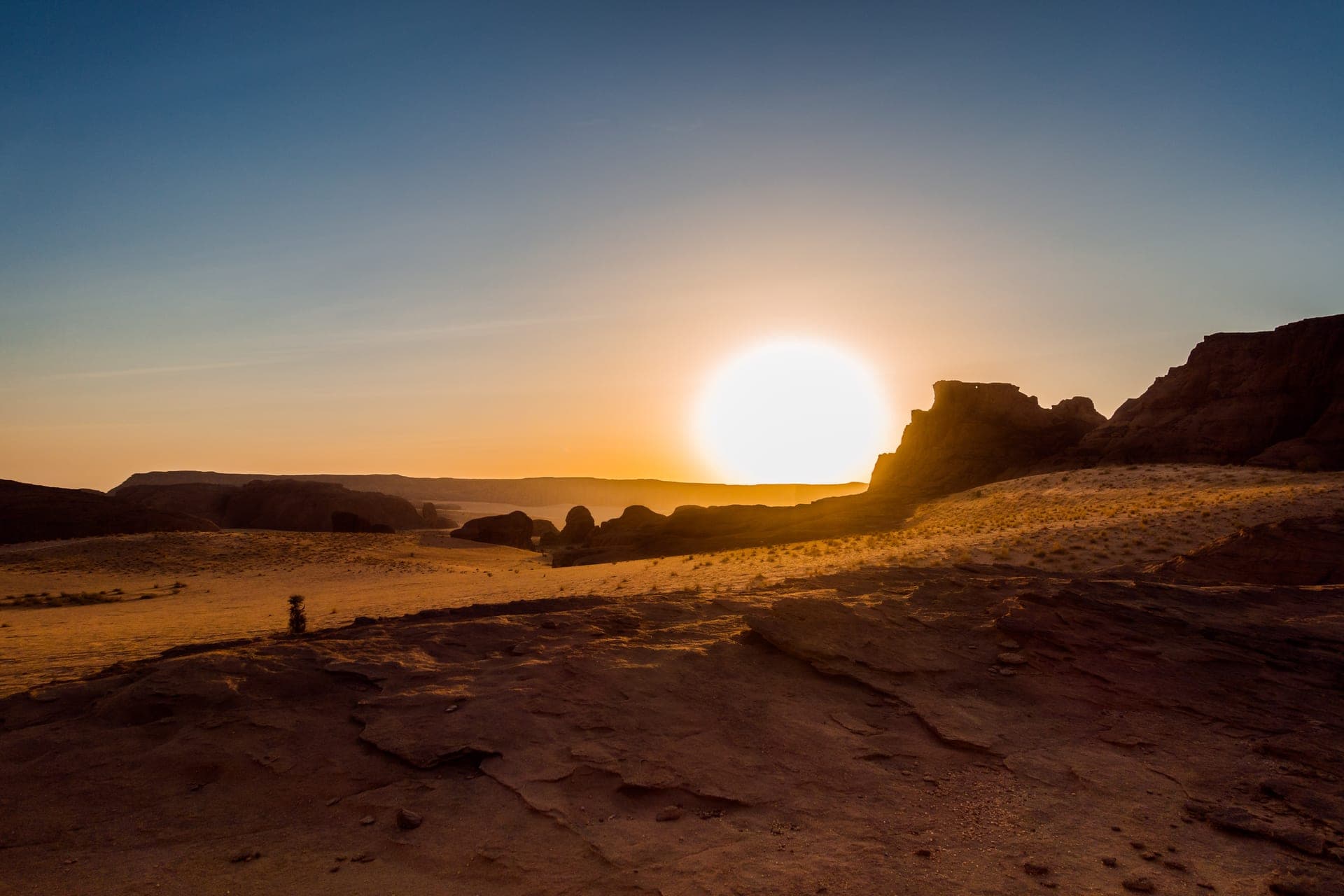
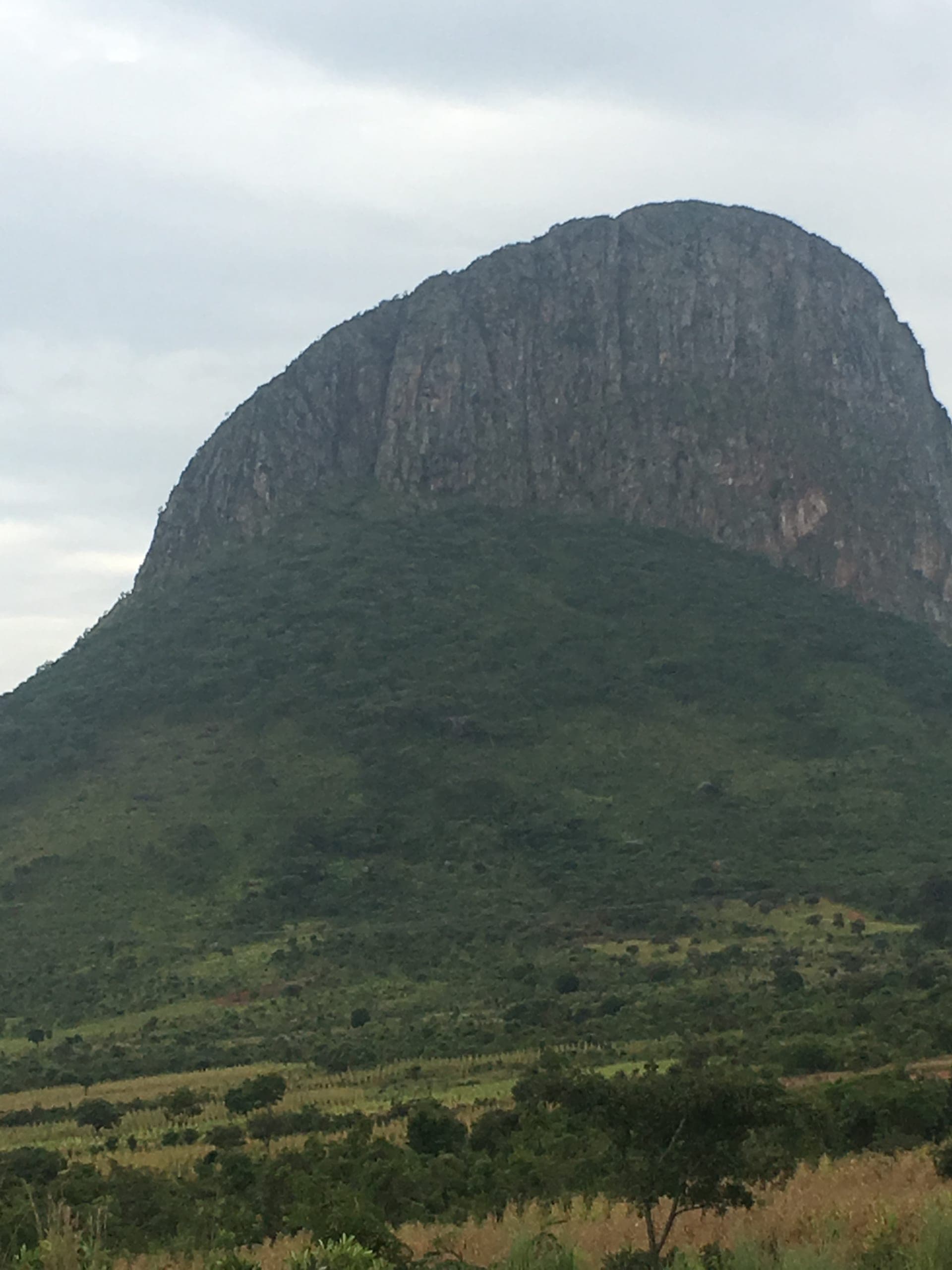
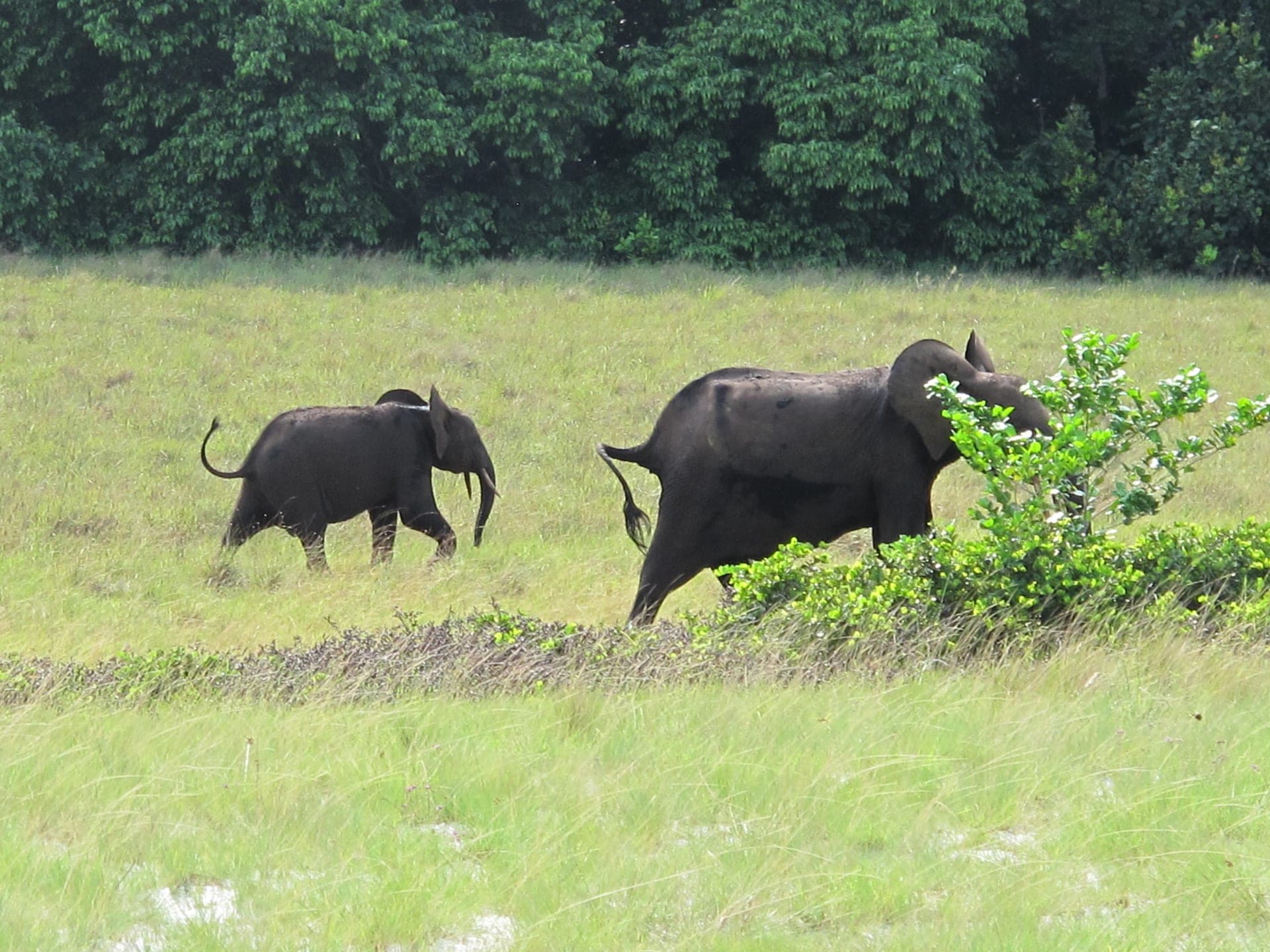
 Photo by Kurt Dundy, CC BY 3.0, via Wikimedia Commons
GabonTourism
Gabon keeps 88 percent of its land under forest and 11 percent in national parks — among the highest ratios on Earth — giving Africa's most biodiverse coastline to the west and the Congo Basin rainforest to the east, with forest elephants, western lowland gorillas, and surfing hippos sharing beaches nobody else has reached.
A country measured in horizons.
Gabon occupies 267,668 km² on the Atlantic coast of central Africa, straddling the equator between Cameroon, Equatorial Guinea, the Republic of the Congo, and the Gulf of Guinea. The country is one of the most forested in the world — rainforest covers roughly 85 percent of its land area — and its 800 km coastline alternates between Atlantic surf beaches, lagoons, and mangrove estuaries. Thirteen national parks, established by President Omar Bongo in 2002, protect 11.25 percent of the national territory; Loango National Park in the southwest combines offshore whale watching, beach-foraging forest elephants and hippos, and lowland gorilla tracking in a single accessible circuit. Inland, the Ivindo River cuts through equatorial forest past Langoué Bai — a mineral-rich forest clearing (bai) where 100–200 forest elephants converge daily — and below the Chutes de Kongou, one of central Africa's most powerful waterfalls, with a flow rivalling Iguazú. The Lopé–Okanda UNESCO World Heritage Site in the centre of the country fuses 4,942 km² of ancient rainforest, savanna, and Neolithic rock art.
Gabon's geological wealth — manganese, iron ore, and oil — enabled four decades of relative stability under Omar Bongo (1967–2009) and his son Ali Bongo Ondimba (2009–2023). The country's oil revenue placed it among sub-Saharan Africa's higher-income countries ($7,000–8,000 GDP per capita at its peak), though income remained highly concentrated. Albert Schweitzer's riverside hospital at Lambaréné, founded in 1913 on the Ogooué River, made Gabon internationally known before the oil era; Schweitzer and his collaborators are buried there, and the original buildings now form a UNESCO Tentative List site and small museum. In August 2023 a military junta (Comité pour la Transition et la Restauration des Institutions) seized power in a coup, ousting Ali Bongo following disputed elections and appointing General Brice Oligui Nguema as transitional president. Despite political uncertainty, Gabon has no active armed conflict and retains a functioning tourist infrastructure. ECOWAS suspended Gabon from the bloc after the coup.
Most international visitors arrive at Libreville Léon-Mba International Airport (LBV), served by Air France, Ethiopian Airlines, Turkish Airlines, Royal Air Maroc, and several regional carriers. Gabon launched an e-visa system (evisa.gouv.ga) that allows most nationalities to apply online for a 90-day tourist visa; CEMAC citizens of Central African states enter visa-free. Yellow fever vaccination is mandatory, and malaria prophylaxis is strongly recommended. The dry season in the south (June–September) is the best window for Loango National Park and coastal wildlife watching; the dry season in the north (December–January) is optimal for Lopé and Ivindo. The US State Dept posts Level 2 (Exercise Increased Caution) for Gabon following the 2023 coup, primarily noting political instability and the potential for civil unrest, but the country does not carry the security warnings of neighbouring Cameroon or the Central African Republic.
Practical info.
Climate
Best time: June–September (dry south; Loango elephants, Lopé); December–January (dry north; Ivindo, Kongou Falls).
Visa & entry
e-Visa available for most nationalities at evisa.gouv.ga; CEMAC citizens visa-free. Gabon operates an e-visa system at evisa.gouv.ga; most nationalities can apply online for a 90-day tourist visa before travel. CEMAC nationals (Central African states) enter visa-free. Yellow fever vaccination certificate is mandatory. Malaria prophylaxis strongly recommended year-round. US Level 2 (Exercise Increased Caution) following the August 2023 military coup; no active armed conflict.
Money
Central African CFA franc (XAF). Mobile money is widely accepted; carry some cash for rural travel.
Safety & health
Anti-malarial cover for low-elevation regions; standard travel insurance recommended.
How is Gabon measured?
Tourism is the story; data is the context. Health, population, economy and climate indicators across Gabon — sourced from the World Bank, WHO and UNICEF.
See Gabon in numbers