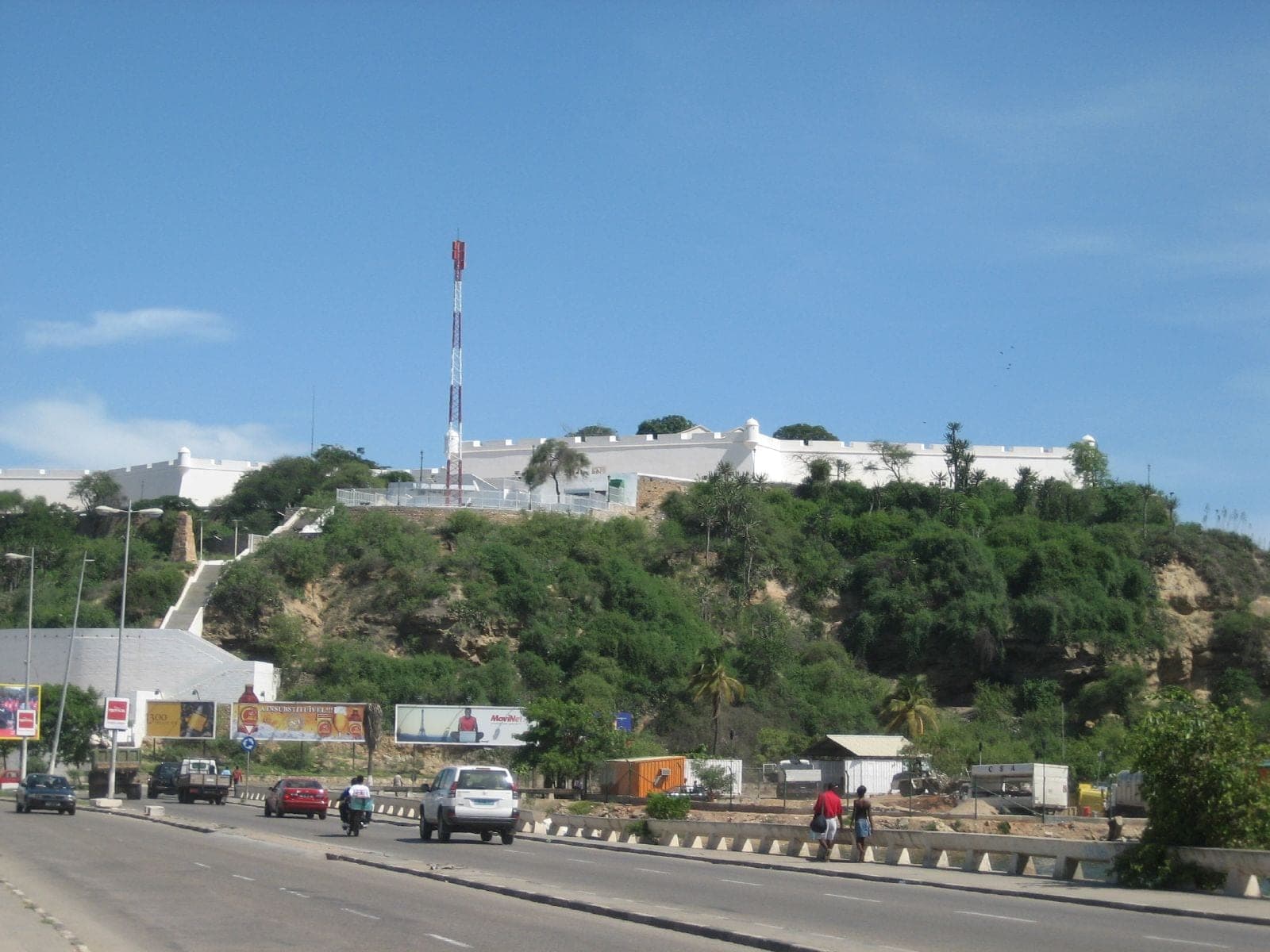
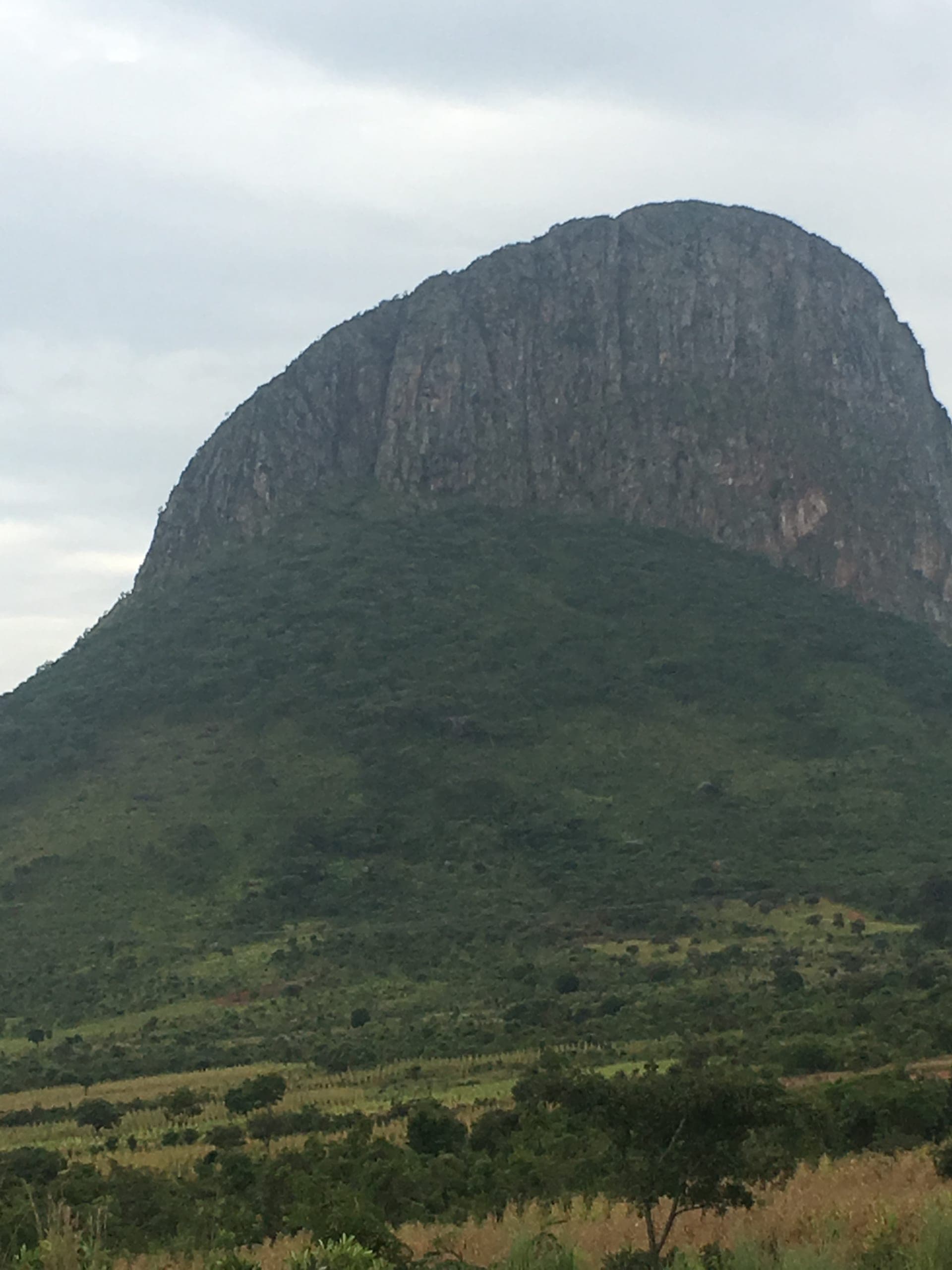
 Photo by MagníficoRosário, CC BY-SA 4.0, via Wikimedia Commons
AngolaTourism
Angola runs from the Atlantic dunes of the Namib's northern edge to the green highlands of Huíla and the Congo Basin rainforest in Cabinda — a country the size of Western Europe, still reopening to travel three decades after its civil war ended in 2002.
A country measured in horizons.
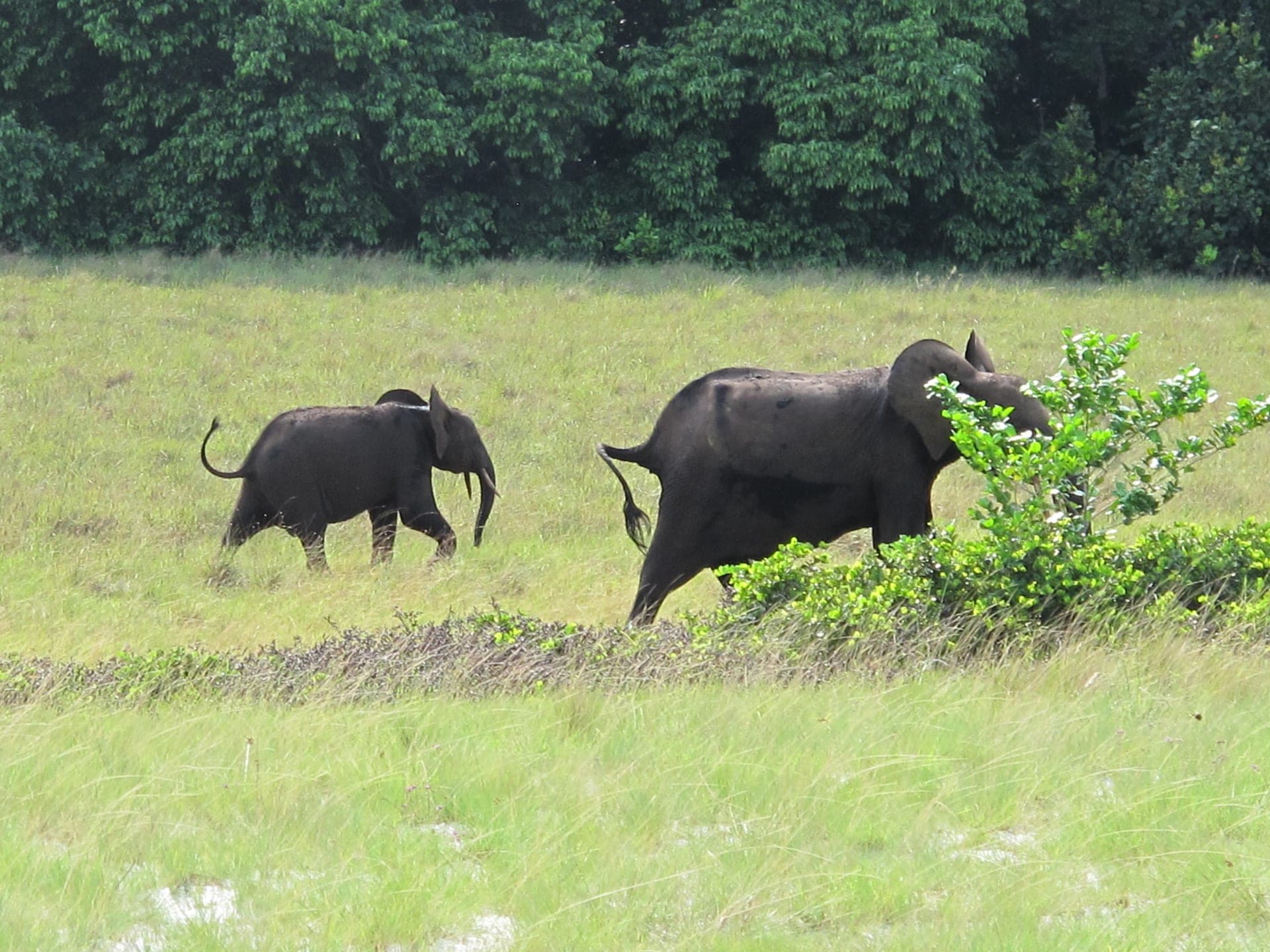
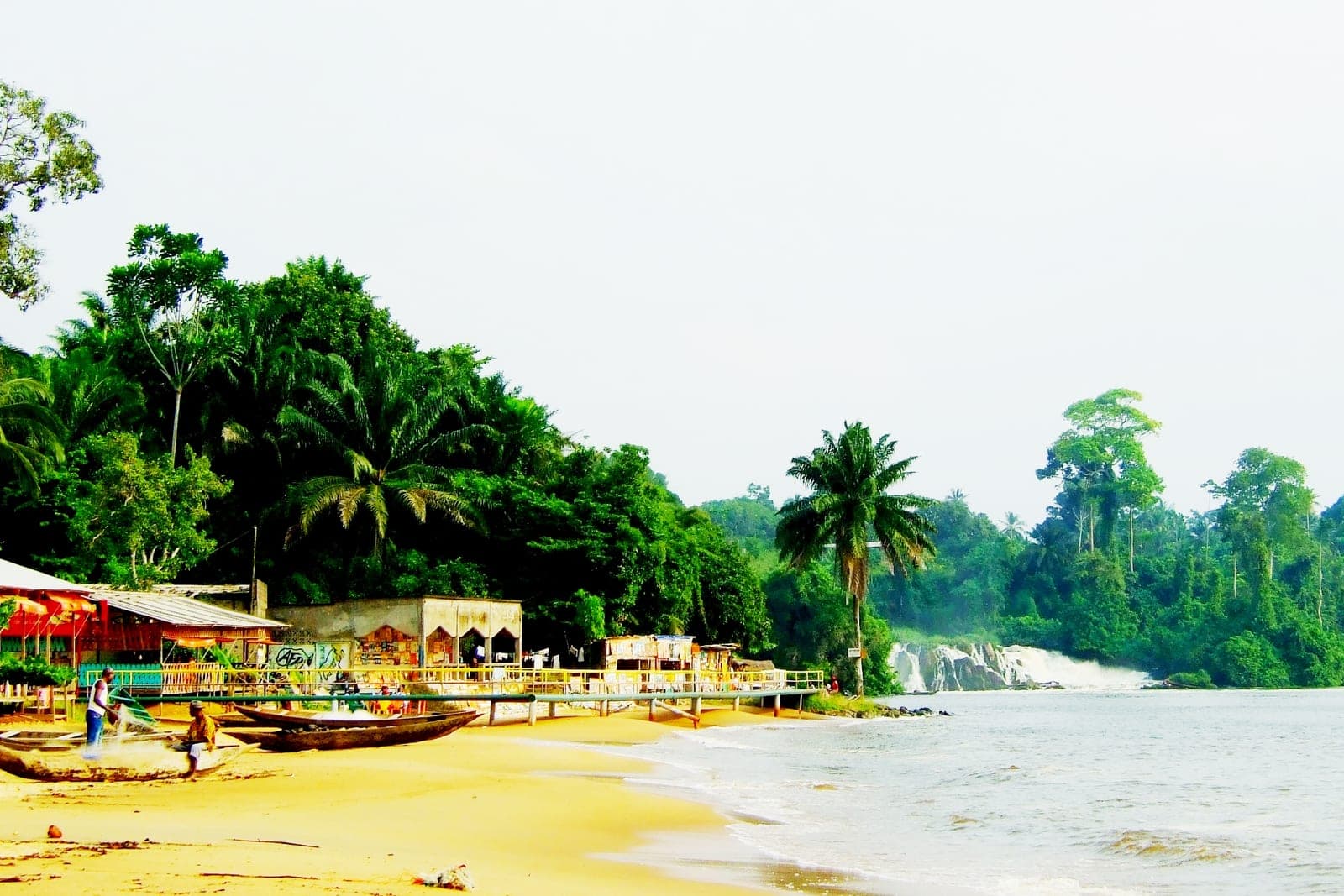
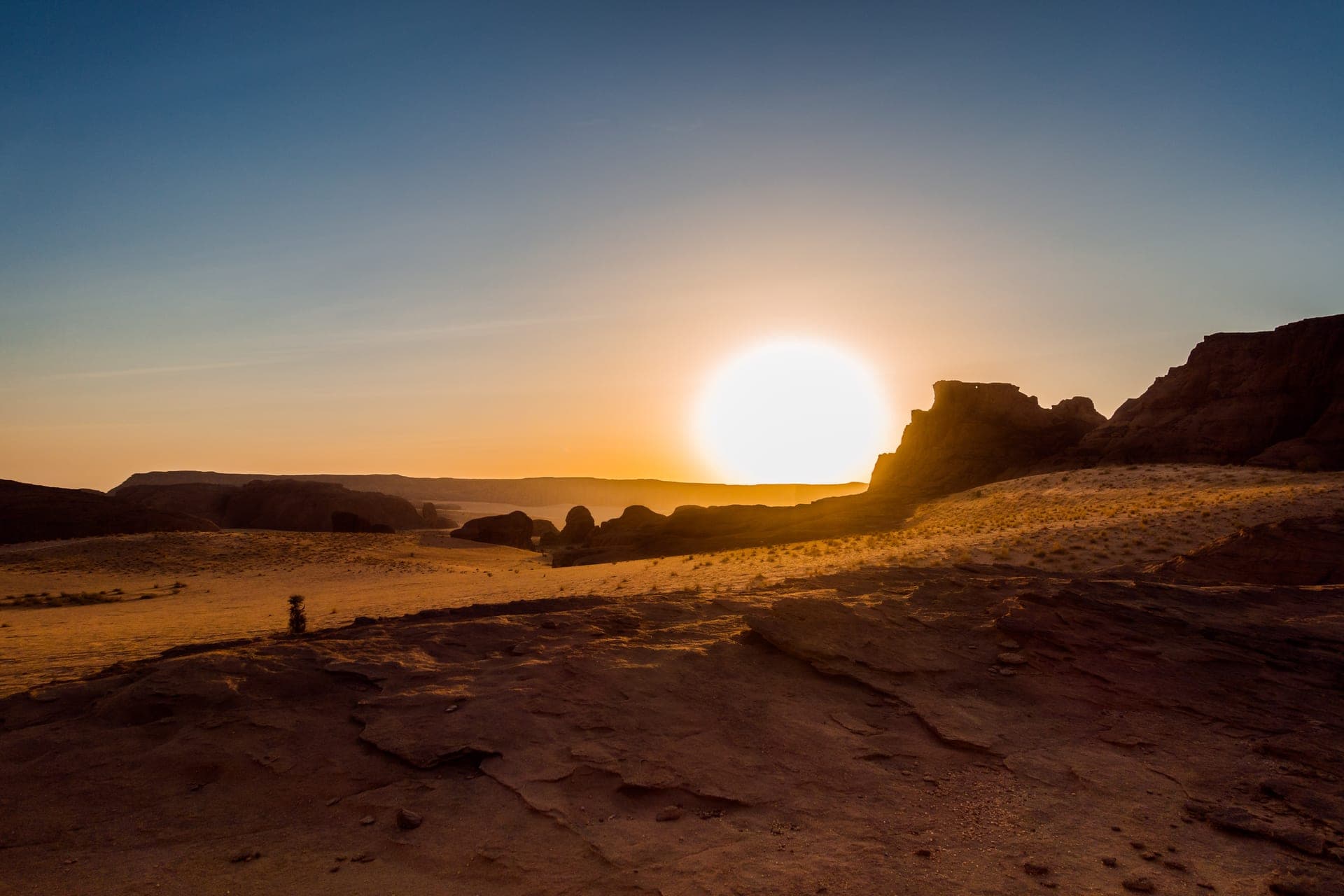
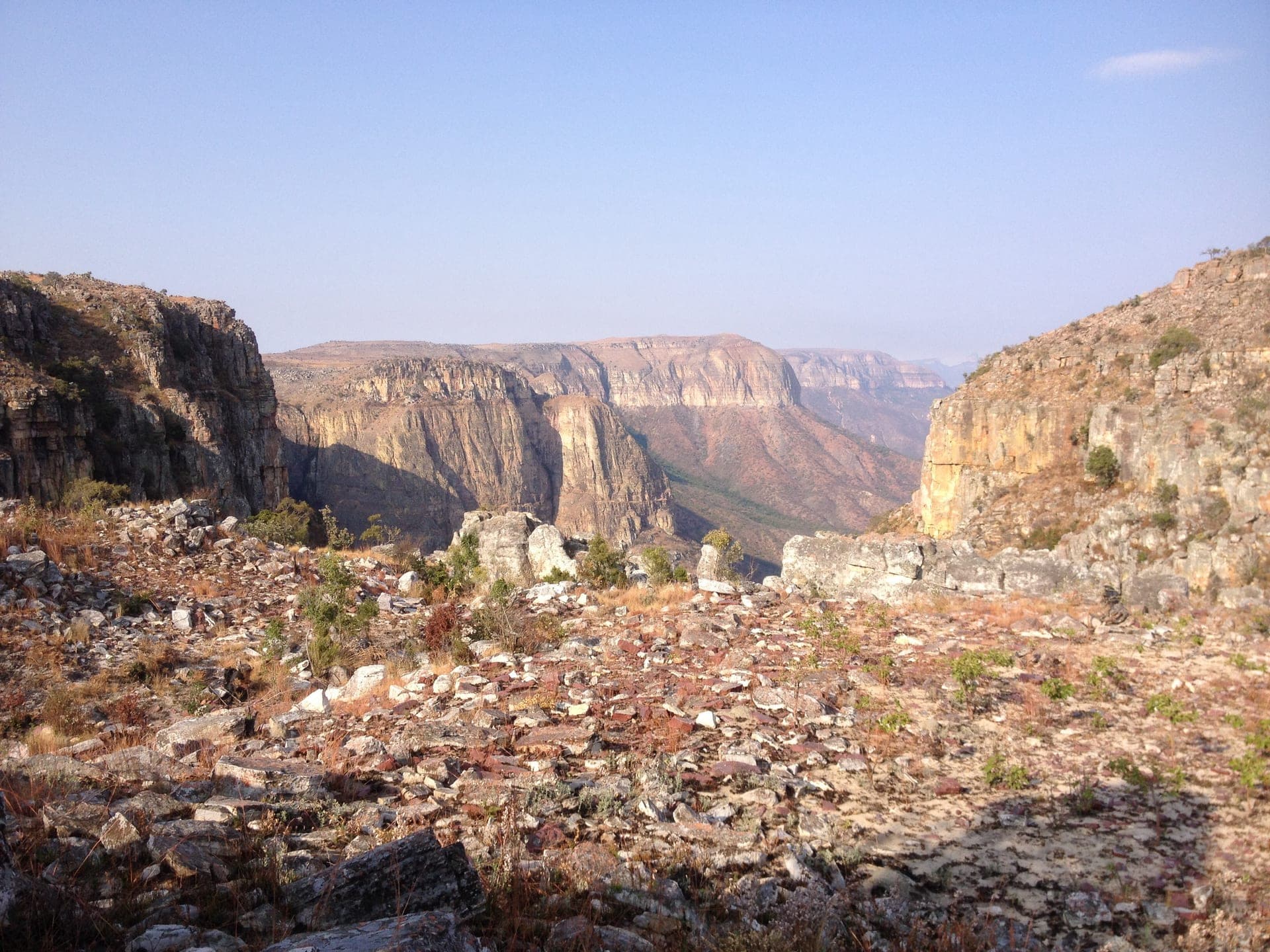
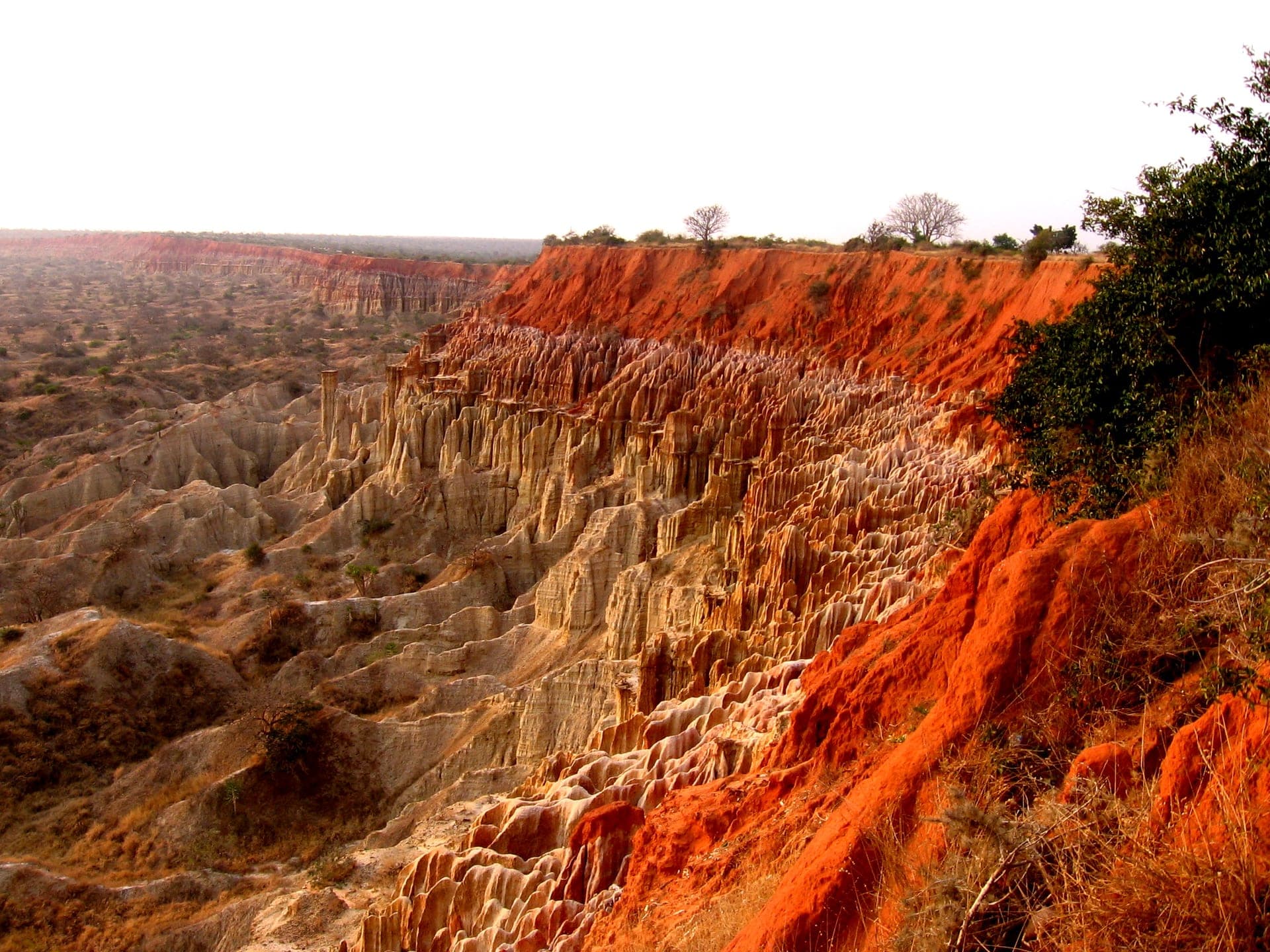
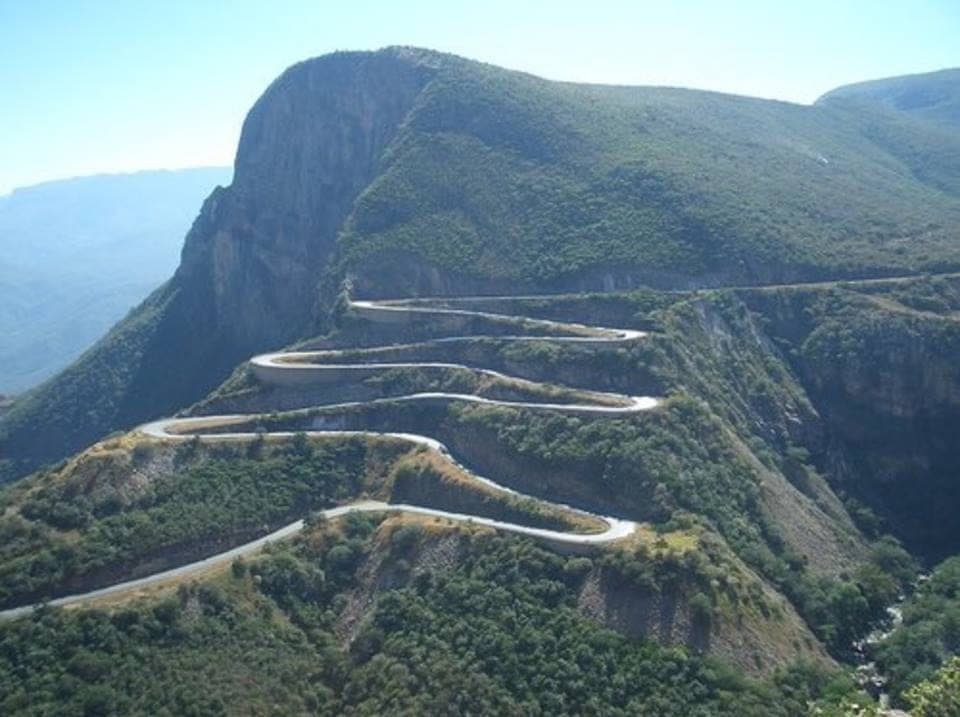
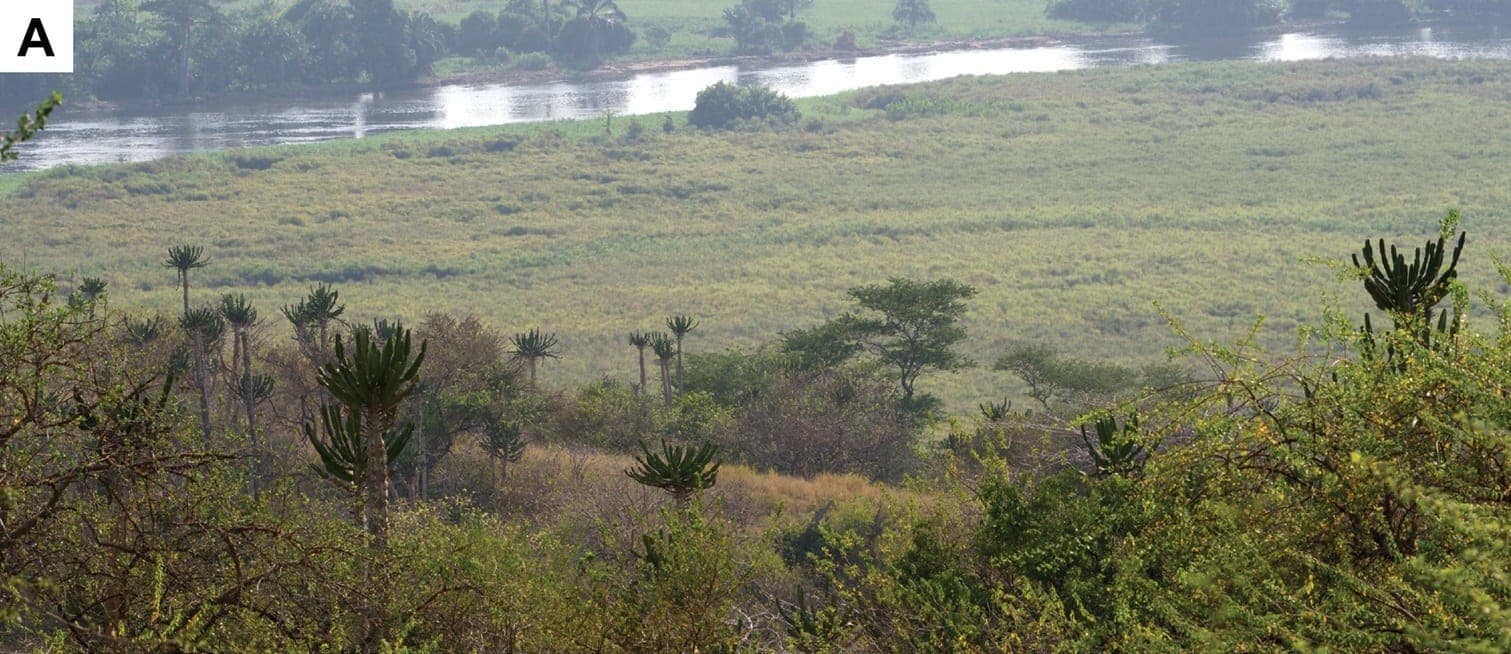
Angola is Africa's seventh-largest country, and its landscapes shift dramatically over that scale: the Namib desert's dune fields creep up the southern coast around the Namibe Reserve, the Serra da Leba pass switchbacks down 1,845 metres of escarpment between the coastal plain and the Huíla highlands, and the Tundavala Gap north of Lubango drops nearly 1,000 metres in a single vertical cliff face over the plateau below. Inland, the Kwanza River — Angola's longest — feeds the wetlands of Quiçama National Park, a two-hour drive from Luanda where elephants, buffalo, and palanca antelope have slowly recovered since landmine clearance began in the 2000s. Cabinda, the northern exclave separated from the rest of Angola by a strip of DR Congo, holds a slice of Congo Basin rainforest in Maiombe National Park. The volcanic badlands feel of the Miradouro da Lua, a wind-eroded canyon of ochre and grey pinnacles just south of Luanda, has made it one of the country's most photographed sites despite requiring no more than an afternoon detour.
Angola was a Portuguese colony for nearly 500 years, formally until independence in 1975, and the transition immediately collapsed into a 27-year civil war between the MPLA government and UNITA rebels that killed an estimated 500,000 people and left the country littered with landmines, some of which are still being cleared today. The war ended in 2002 with the death of UNITA leader Jonas Savimbi, and Angola's oil wealth — it is Africa's second-largest crude producer — funded a rapid, uneven reconstruction of Luanda into one of the world's most expensive cities for expatriates, alongside widespread rural poverty. José Eduardo dos Santos ruled from 1979 to 2017; his successor João Lourenço has pursued anti-corruption cases against the dos Santos family and is barred by term limits from a third presidential term in 2027, though he is separately contesting leadership of the ruling MPLA party at its December 2026 congress. The rebuilt Benguela Railway, now marketed as the Lobito Corridor with US and EU backing, is Angola's bet on becoming a mineral-export route for landlocked Zambia and the DRC's copper belt, a rare current example of great-power infrastructure competition playing out in southern Africa.
Most visitors fly into Luanda's Aeroporto Internacional Dr. António Agostinho Neto. Angola simplified its visa system in 2023: citizens of around 60 countries can apply for an eVisa online, and Presidential Decree 189/23 also grants many nationalities 30-day visa-free tourist entry (up to 90 days per year), though a yellow fever certificate is required on arrival regardless of visa status. The US State Department currently rates Angola Level 2 (Exercise Increased Caution) as of March 2026, citing petty crime and armed robbery risk in greater Luanda, limited medical services and evacuation-only trauma care outside the capital, and residual landmines and unexploded ordnance in former conflict areas away from cleared tourist routes. The dry season (Cacimbo), May through September, is markedly cooler and dust-hazed but the easiest window for the southern highlands and desert routes around Lubango and Namibe; the wet season runs October to April with the heaviest rain in the north and Cabinda.
Practical info.
Climate
Best time: May–September (Cacimbo dry season; cooler, best for Lubango/Namibe highlands and desert routes).
Visa & entry
eVisa for ~60 nationalities via the online portal; Decree 189/23 grants many others 30-day visa-free tourism entry. Angola's 2023 visa reform lets travelers from around 60 countries apply for a tourist eVisa online (about 30 days, extendable once), while Presidential Decree 189/23 separately grants visa-free tourist entry (up to 30 days per visit, 90 days per year) to nationals of many other countries — check current lists before booking. A yellow fever vaccination certificate is required on arrival regardless of visa route. US State Dept rates Angola Level 2 (Exercise Increased Caution, March 2026) for crime in greater Luanda, limited medical evacuation capacity, and residual landmines in former war zones outside the standard tourist circuit.
Money
Angolan kwanza (AOA). Mobile money is widely accepted; carry some cash for rural travel.
Safety & health
Anti-malarial cover for low-elevation regions; standard travel insurance recommended.
How is Angola measured?
Tourism is the story; data is the context. Health, population, economy and climate indicators across Angola — sourced from the World Bank, WHO and UNICEF.
See Angola in numbers