 Photo by anmede, CC BY-SA 2.0, via Wikimedia Commons
ChadTourism
Chad holds three of the Sahara's most striking landscapes in one country: the wind-carved sandstone towers of the Ennedi Massif, the mineral-tinted Lakes of Ounianga sitting improbably in hyperarid desert, and Zakouma National Park's rebounding elephant herds far to the south — a country most travelers still overlook entirely.
A country measured in horizons.
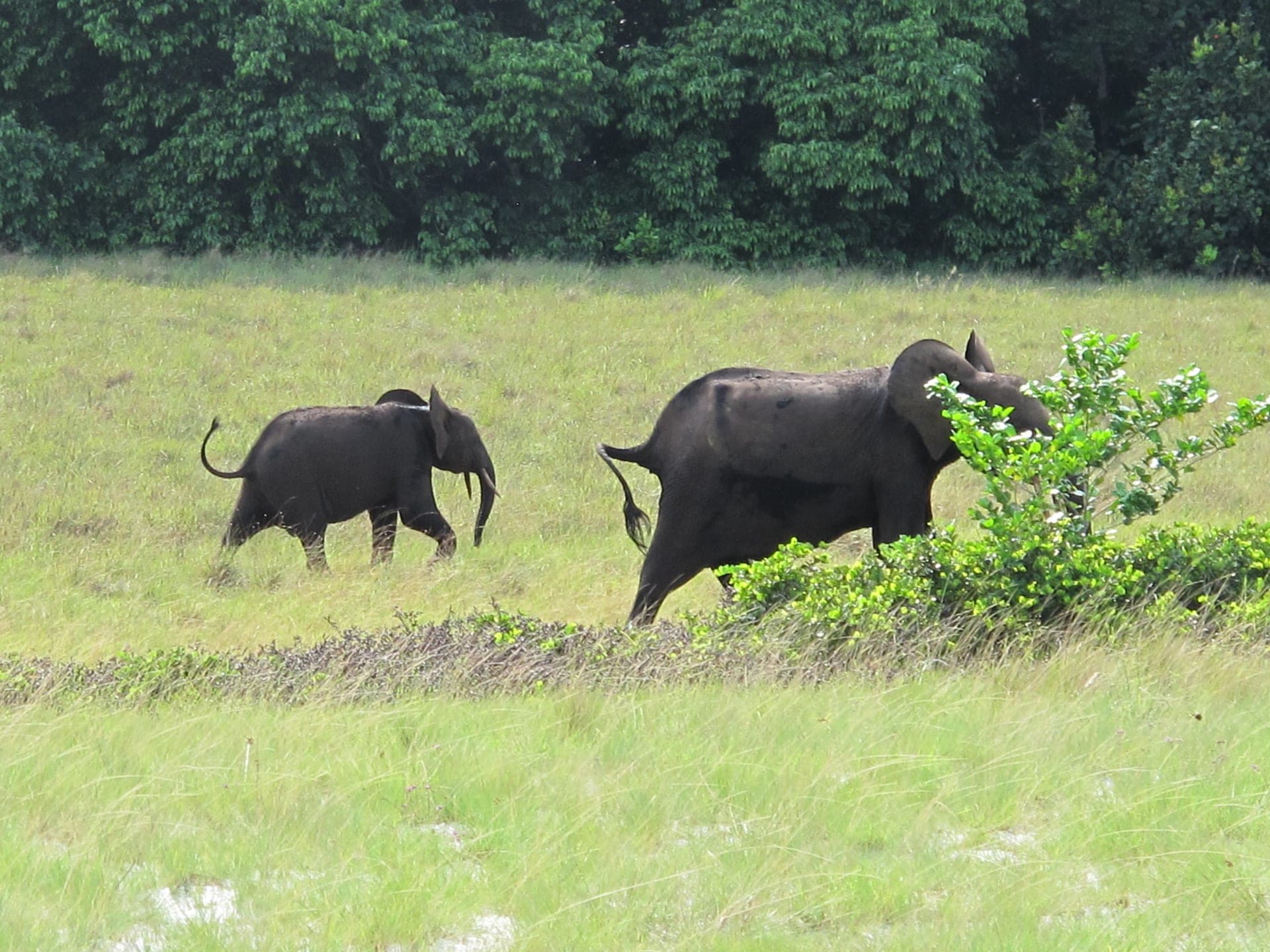
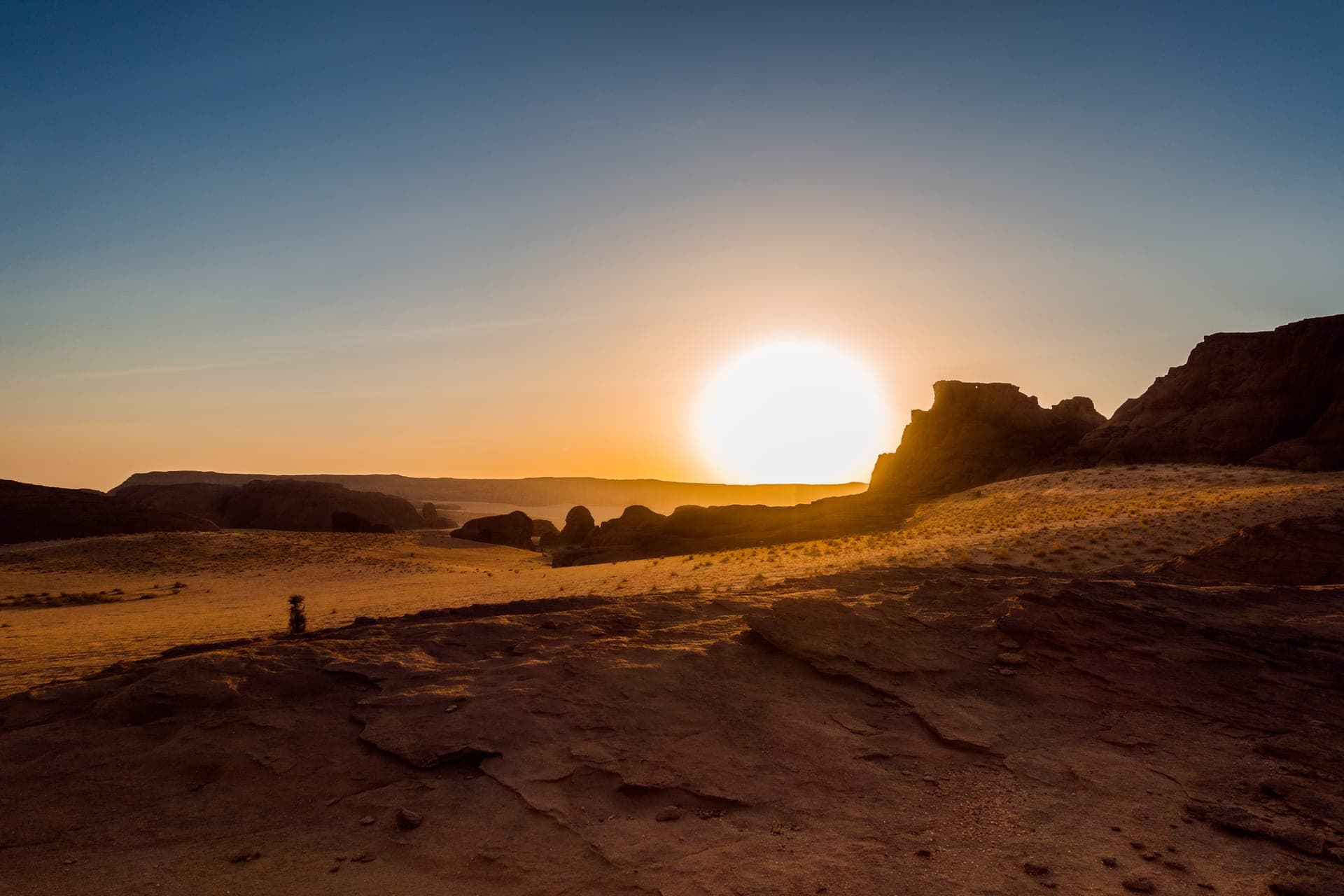
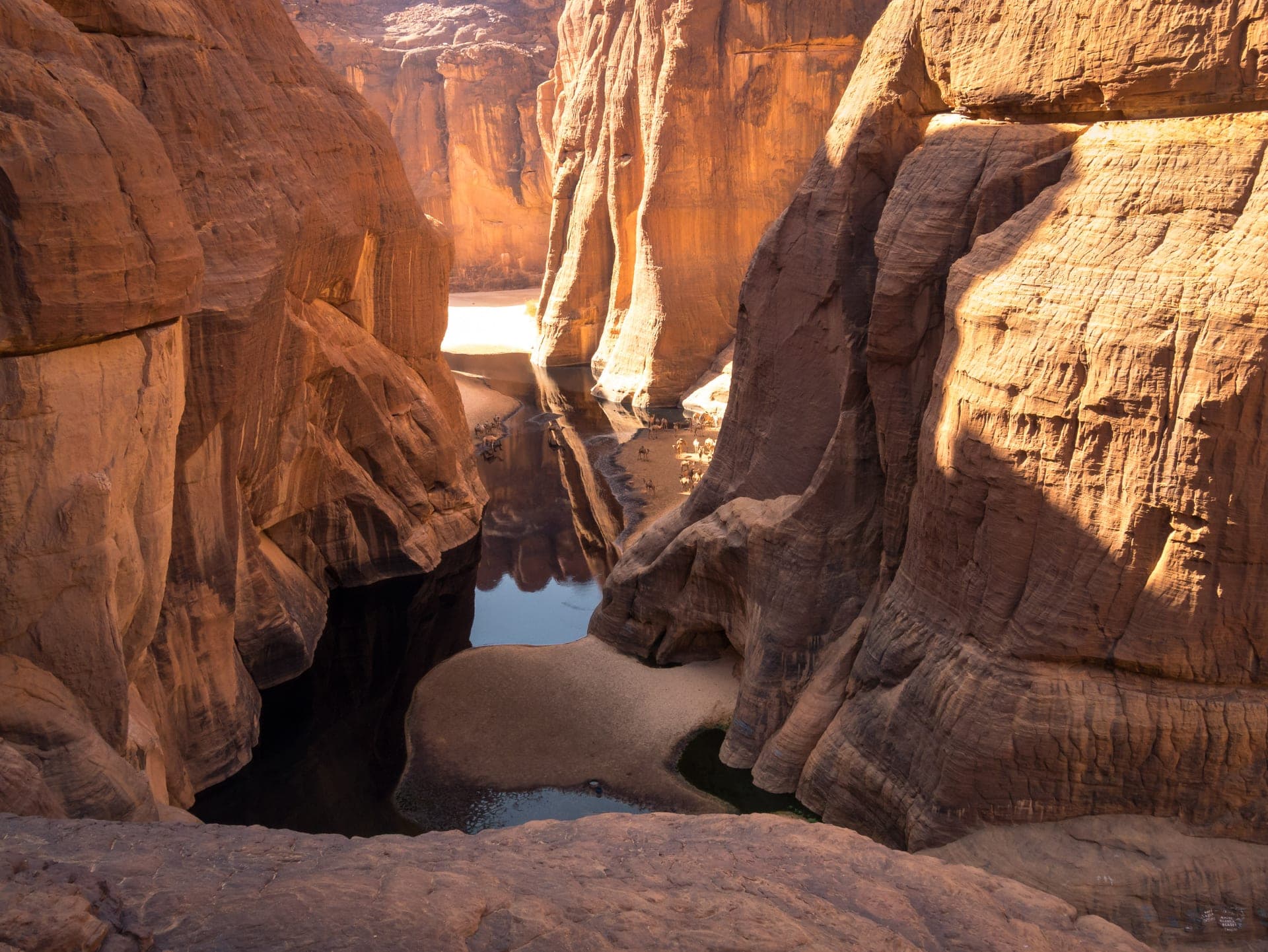
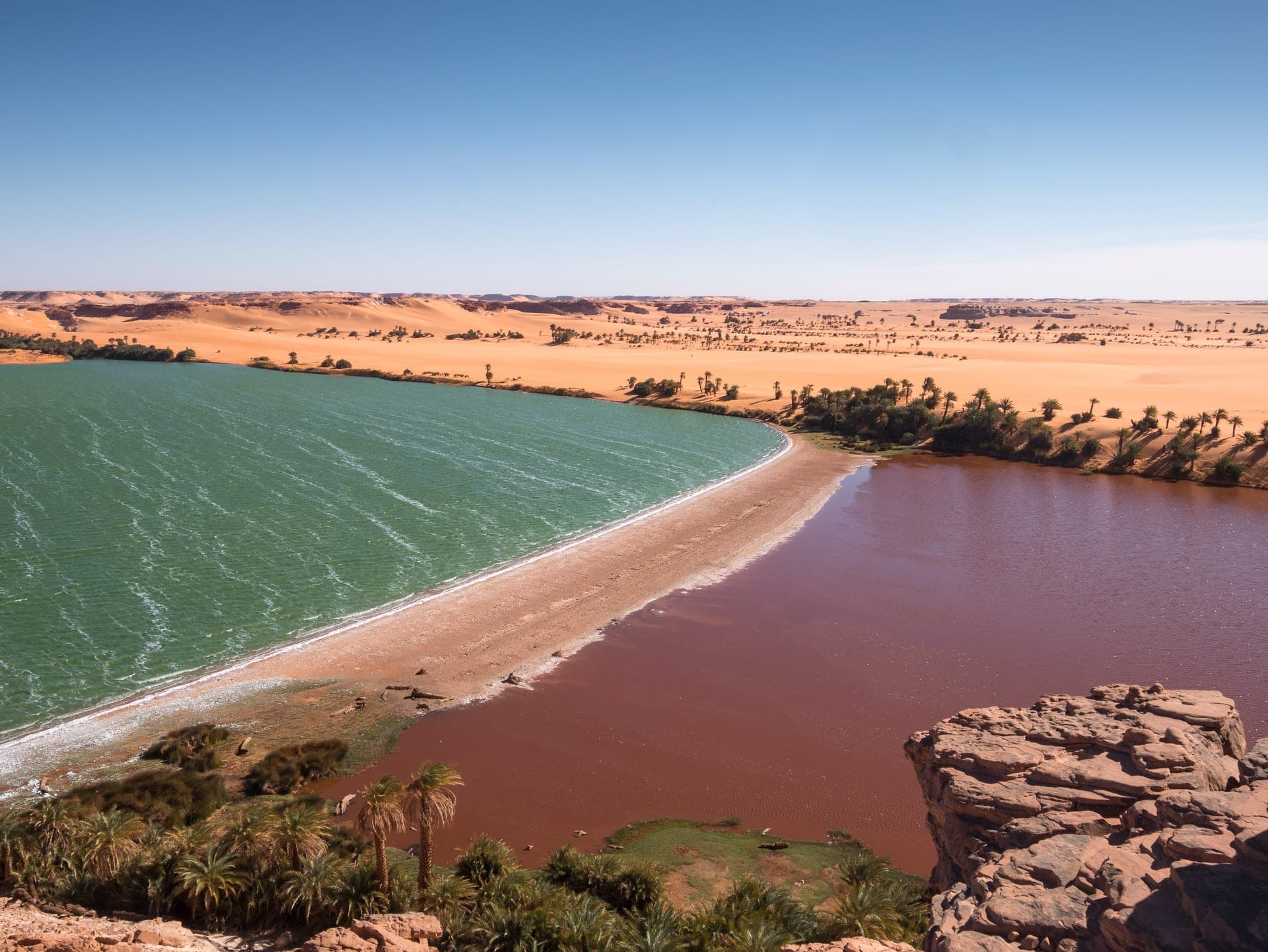
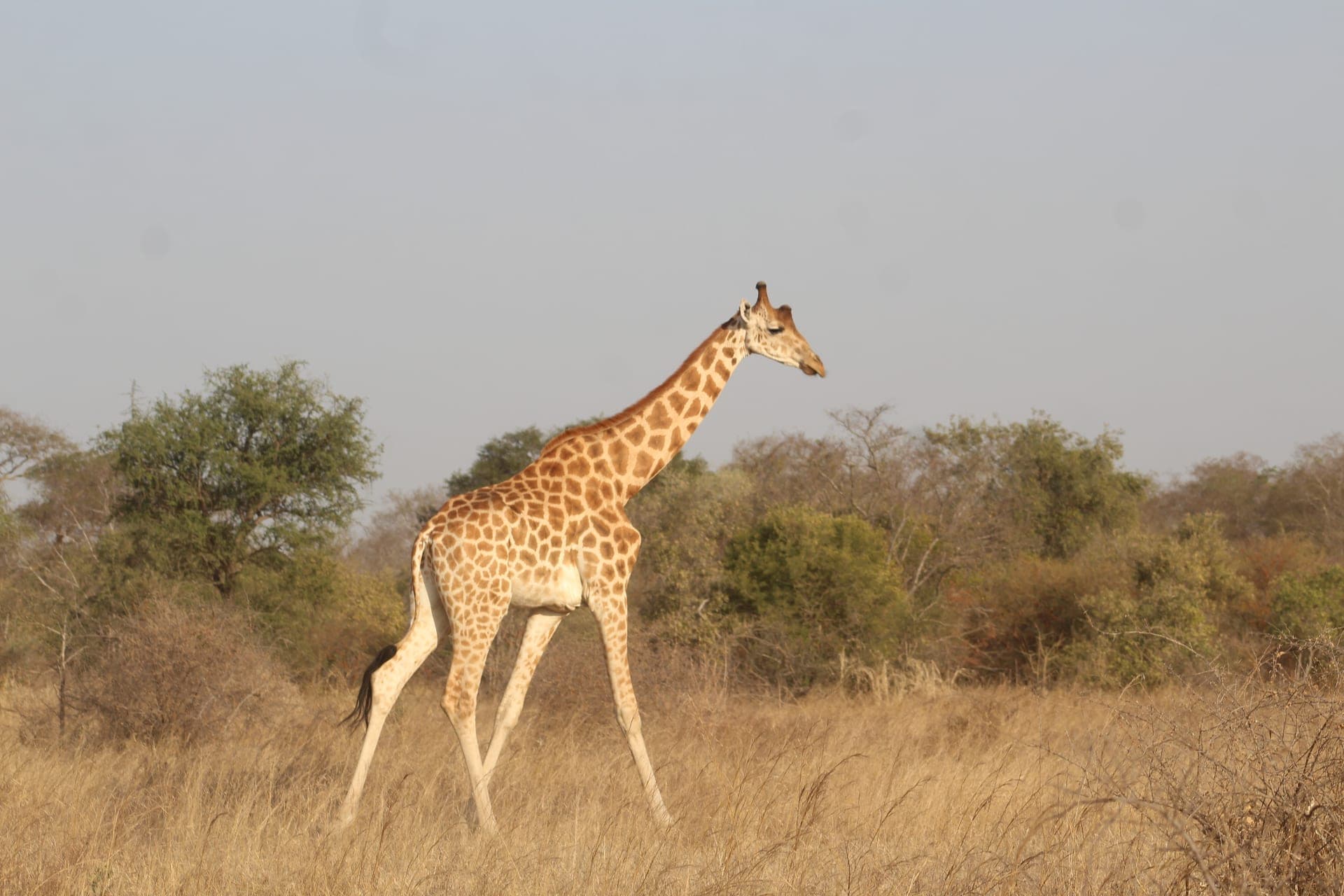
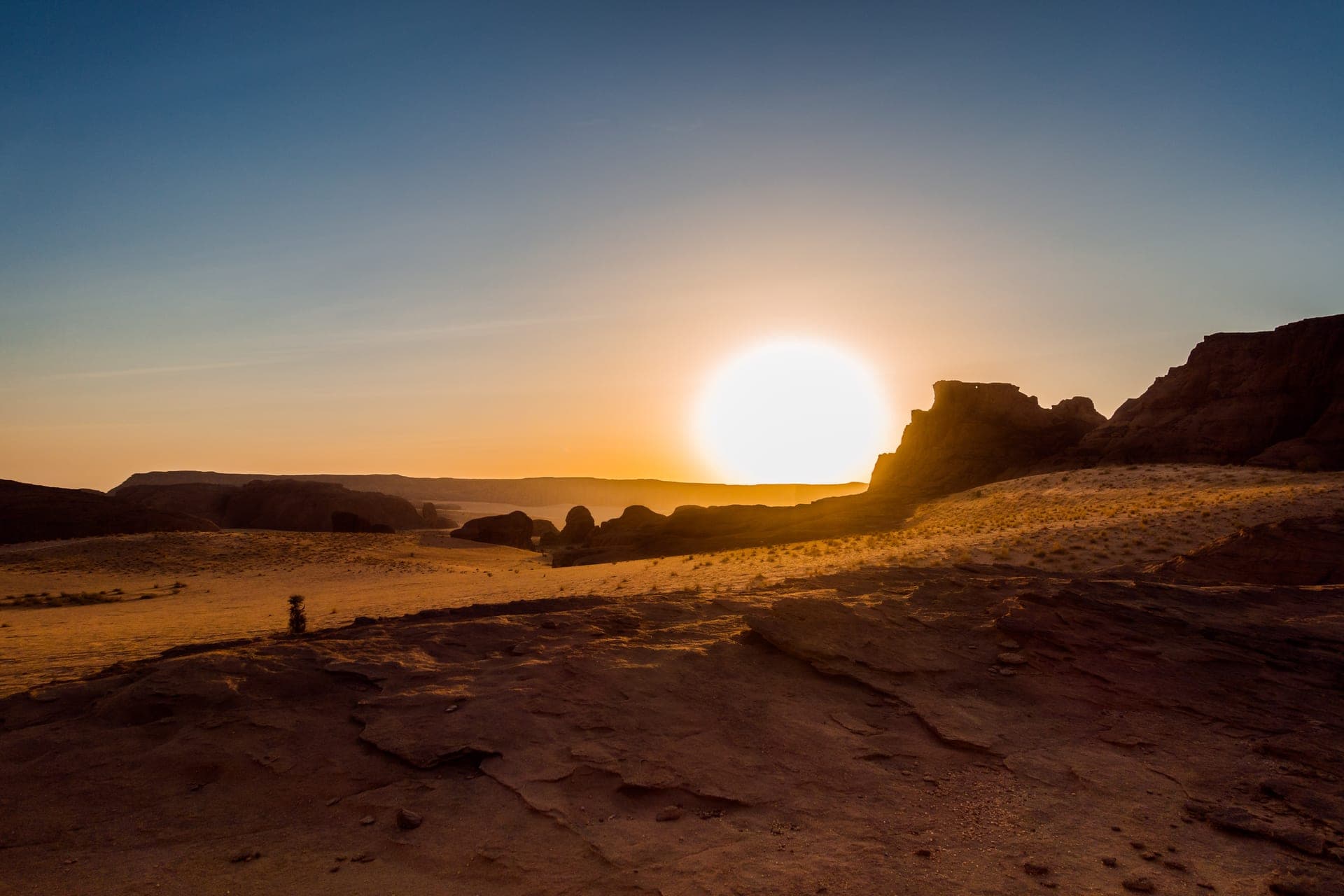
Chad's north is Saharan, its centre Sahelian, and its south sub-Sudanian savanna, giving the country an ecological range that few of its neighbours can match. The Ennedi Massif, a sandstone plateau in the northeast carved by millions of years of wind and water into canyons, arches, and towering pitons, was jointly UNESCO-listed in 2016 for both its geology and its rock art — thousands of paintings and engravings left by herders over several millennia. Deep inside the massif, the Guelta d'Archei is a permanent pool in an otherwise dry wadi that still holds a handful of West African crocodiles, an isolated relict population stranded since the Sahara was green thousands of years ago; camel caravans still water there today. Two hundred kilometres northwest, the Lakes of Ounianga — 18 lakes across two clusters in one of the driest places on Earth — range from deep blue-green to red-brown depending on their salinity and algae, a UNESCO World Heritage Site since 2012. Far to the south, Zakouma National Park lost 95% of its elephants to poaching between 2002 and 2010; under African Parks management since 2010 the herd has rebuilt to several hundred, alongside giraffe, lion, and some of the largest buffalo herds left in Central Africa.
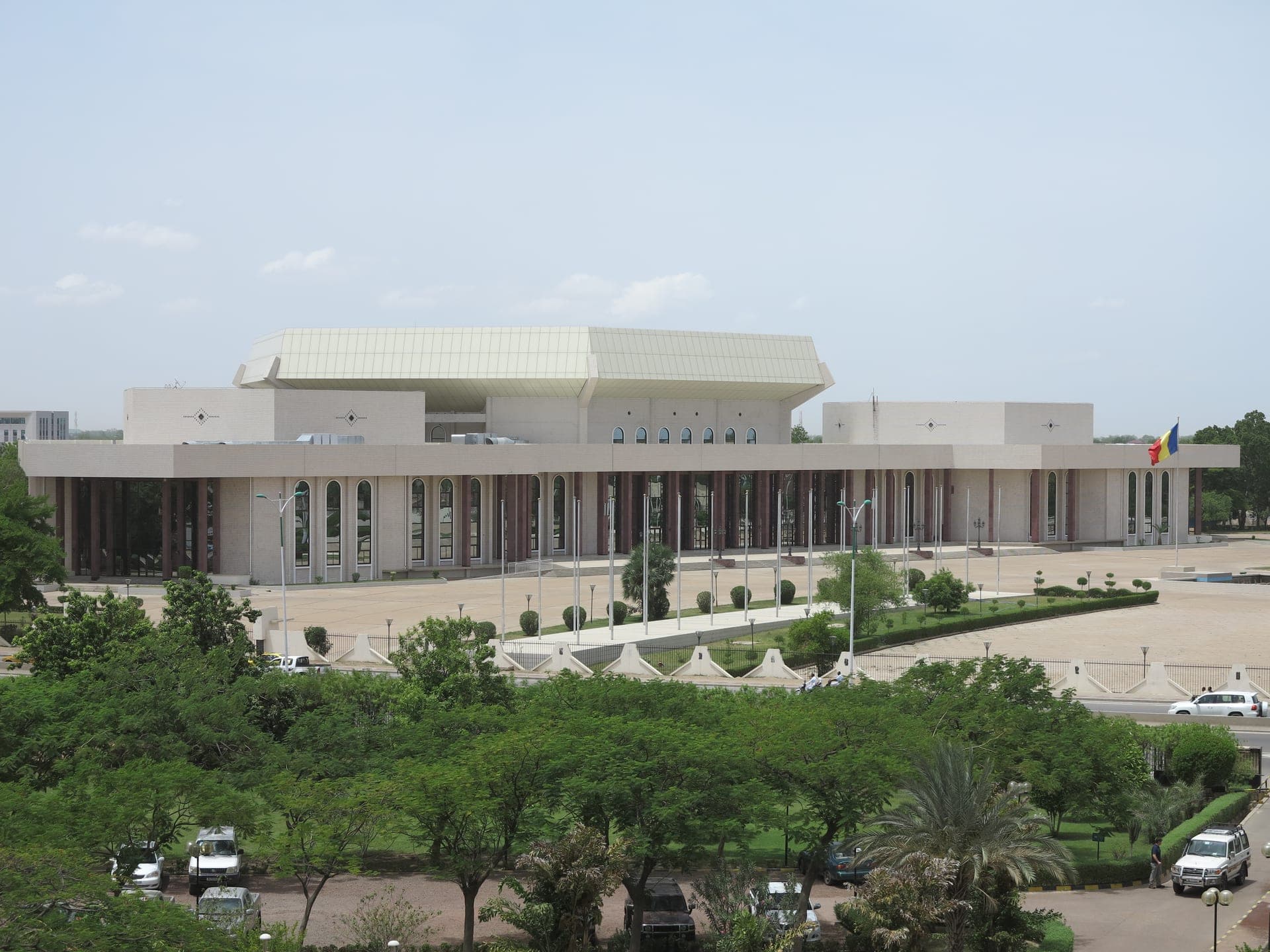
Chad's south was historically tied to the Sara peoples and the Kanem-Bornu and Wadai sultanates further east and north, before French colonization folded the territory into French Equatorial Africa; independence came in 1960. Longtime ruler Idriss Déby, who seized power in 1990 and was re-elected repeatedly, was killed in April 2021 while visiting troops fighting rebels in the north — an unusual death in office for a sitting head of state. His son Mahamat Idriss Déby led a military transitional council afterward and was sworn in as president on 23 May 2024 following a May 2024 election that opposition figures and outside observers described as disputed, extending Déby family rule into a second generation. N'Djamena's National Assembly building, on the Chari River near the Cameroon border, is the visible seat of that government today.
Most international flights land at N'Djamena's Hassan Djamous International Airport. Chad made electronic visas mandatory for effectively all foreign travelers as of 11 May 2026 through the evisa.td portal — manual entry authorizations were abolished outright, and any visa issued outside the platform after 21 May 2026 is not valid for entry. A short list of nationalities (including Benin, Cameroon, CAR, Republic of Congo, DRC, Côte d'Ivoire, Gabon, Gambia, Niger, and Nigeria) remain visa-exempt for stays up to 90 days. The cool dry season from November through February is the only realistic travel window; Zakouma itself closes entirely during the May–October rains, when its tracks flood. Security conditions vary sharply by region — the Lake Chad basin in the west faces Boko Haram-linked activity, and the eastern border with Sudan has absorbed large refugee flows from that country's civil war — so itineraries are typically built around Zakouma in the south and organized expeditions into the Ennedi and Ounianga in the north, not free independent travel.
Practical info.
Climate
Best time: November–February (cool dry season; Zakouma closes entirely May–October in the rains).
Visa & entry
eVisa mandatory for most nationalities via evisa.td since May 2026. As of 11 May 2026, Chad requires all visa applications to go through the official evisa.td portal — manual/paper entry authorizations have been abolished, and any visa issued outside the platform after 21 May 2026 will not permit entry. A short list of nationalities (Benin, Cameroon, CAR, Republic of Congo, DRC, Côte d'Ivoire, Gabon, Gambia, Niger, Nigeria among them) remain visa-exempt for up to 90 days. Security varies sharply by region: Lake Chad basin in the west has Boko Haram-linked activity, and the eastern border area has absorbed refugee flows from Sudan's civil war. Most tourism moves through organized operators rather than independent travel.
Money
Central African CFA franc (XAF). Mobile money is widely accepted; carry some cash for rural travel.
Safety & health
Anti-malarial cover for low-elevation regions; standard travel insurance recommended.
How is Chad measured?
Tourism is the story; data is the context. Health, population, economy and climate indicators across Chad — sourced from the World Bank, WHO and UNICEF.
See Chad in numbers