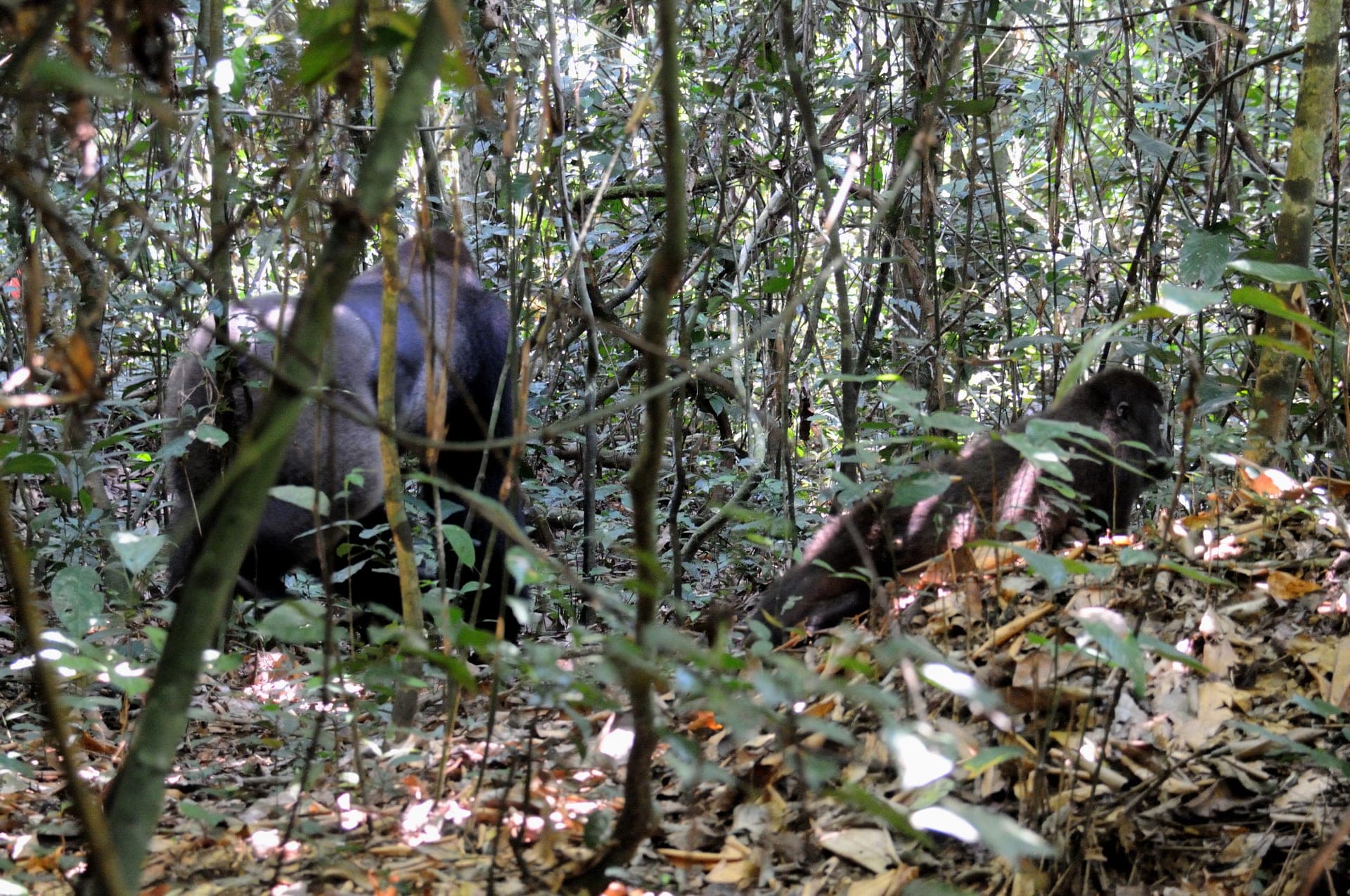
Photo by Prével EPOTA, CC BY-SA 4.0, via Wikimedia Commons
Republic of the CongoTourism
Straddling the equator on the Congo River's northern bank, the Republic of the Congo pairs one of the two capital cities that face each other directly across a river — Brazzaville and Kinshasa — with an interior of untouched rainforest holding some of Central Africa's last great gorilla and forest-elephant strongholds.
A country measured in horizons.
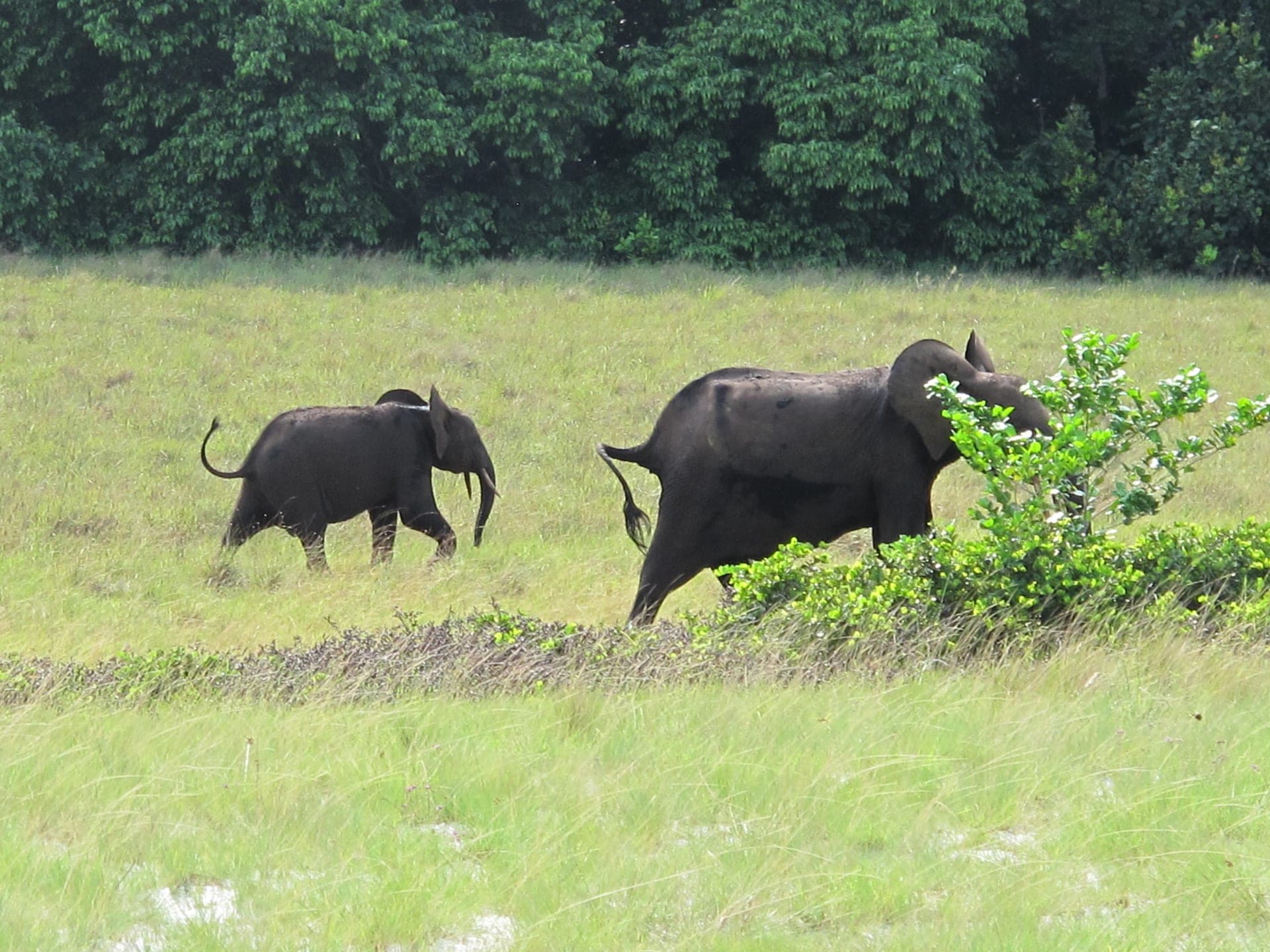
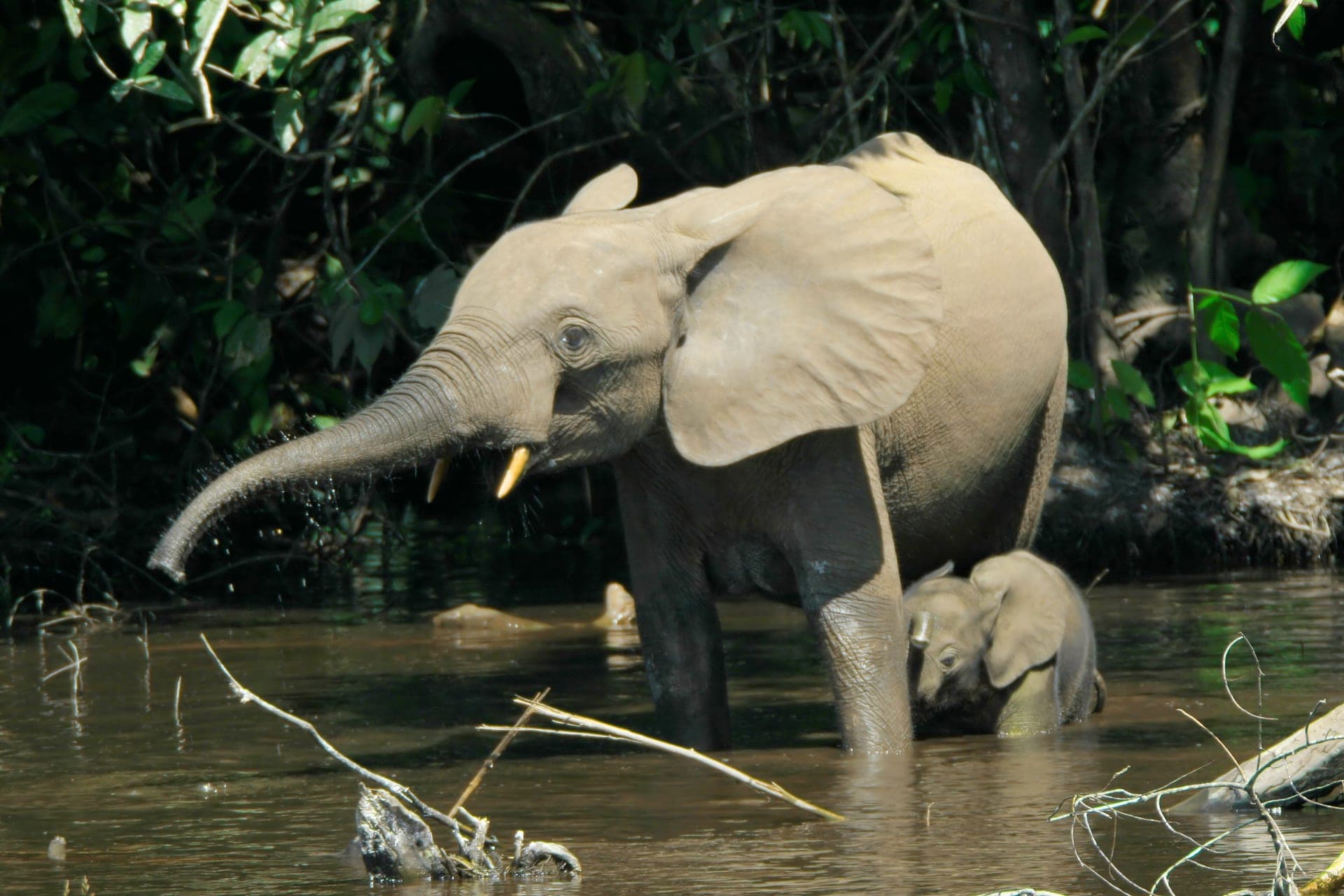
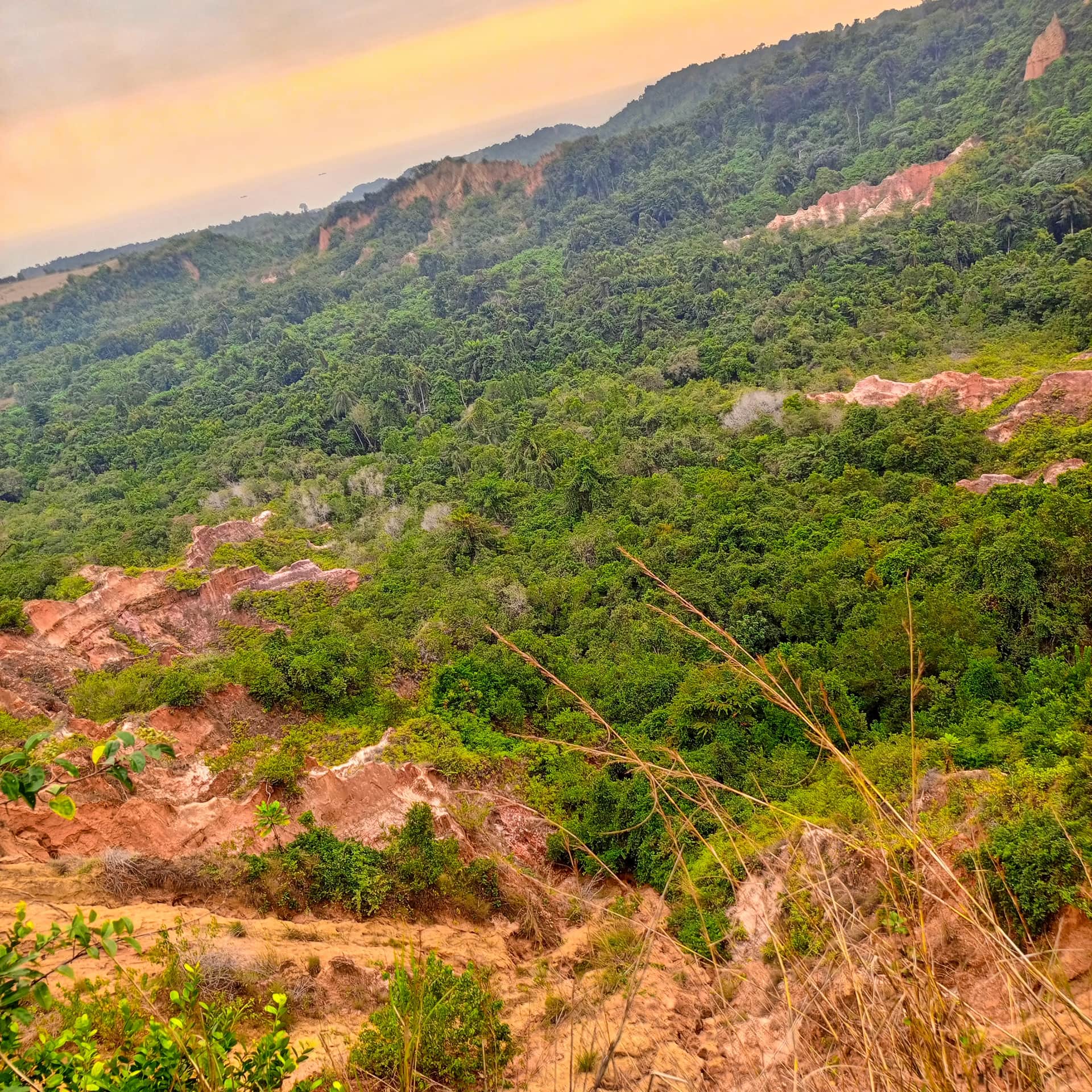
In the far north, Nouabalé-Ndoki National Park protects roughly 4,200 square kilometres of rainforest that has never been logged and has no internal roads; established in 1993 and inscribed as part of the tri-national Sangha Trinational UNESCO World Heritage site in 2012 alongside neighbouring parks in Cameroon and CAR, it is known for western lowland gorillas, chimpanzees, and forest elephants that gather at mineral-rich forest clearings called bais. Further south and west, the community-established Lossi Gorilla Sanctuary was historically an important gorilla research site before a catastrophic Ebola outbreak beginning in November 2001 wiped out an estimated 95% of its gorilla population; it is now managed as part of a partnership between the Congolese government and African Parks alongside the neighbouring Odzala-Kokoua National Park. Near the coast, the Gorges de Diosso — a red-laterite canyon roughly 25 kilometres north of Pointe-Noire, with cliffs eroded by rain to nearly 50 metres — sits beside Diosso itself, the historic capital of the precolonial Loango Kingdom, home to a royal mausoleum and the small Mâ-Loango Regional Museum.
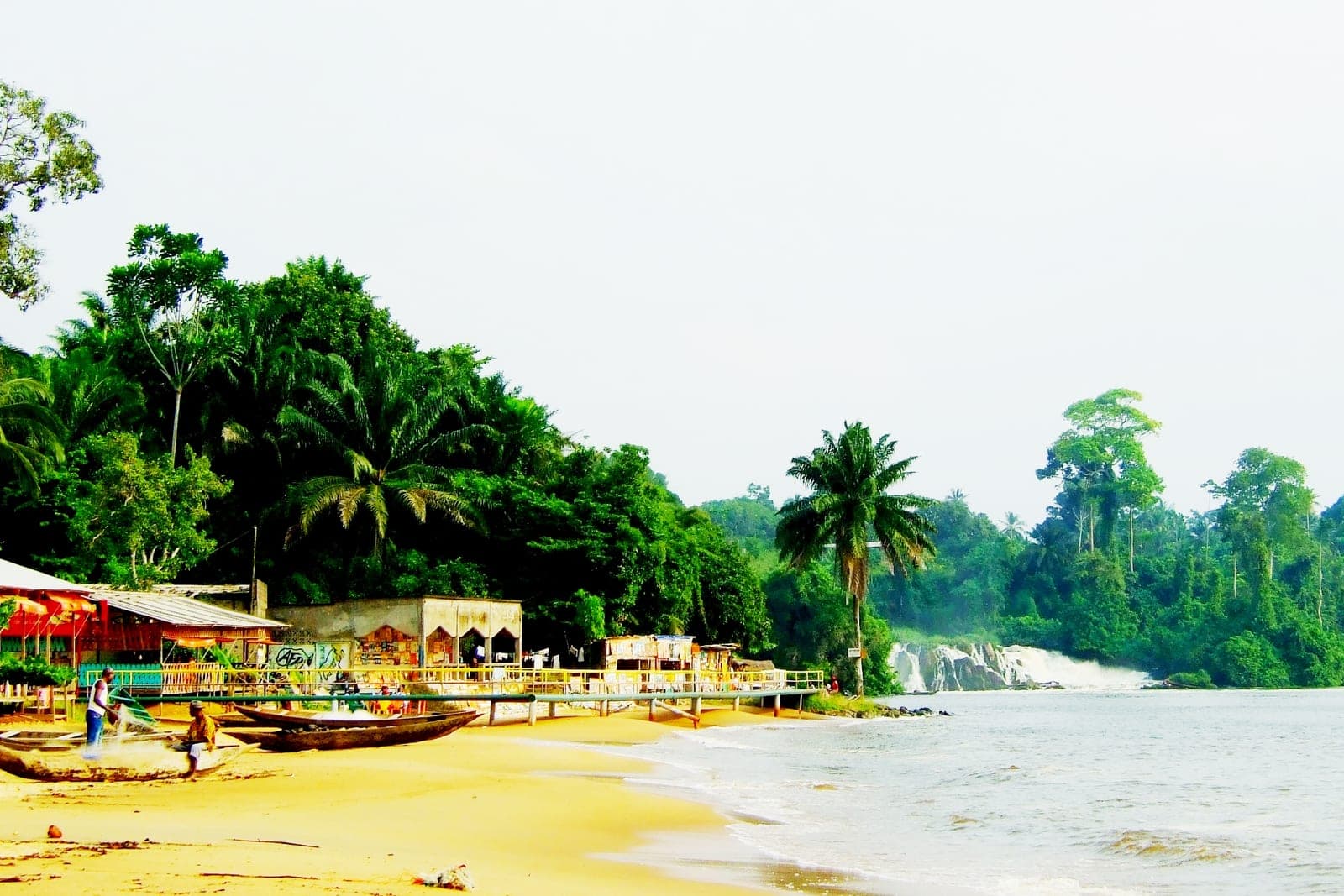
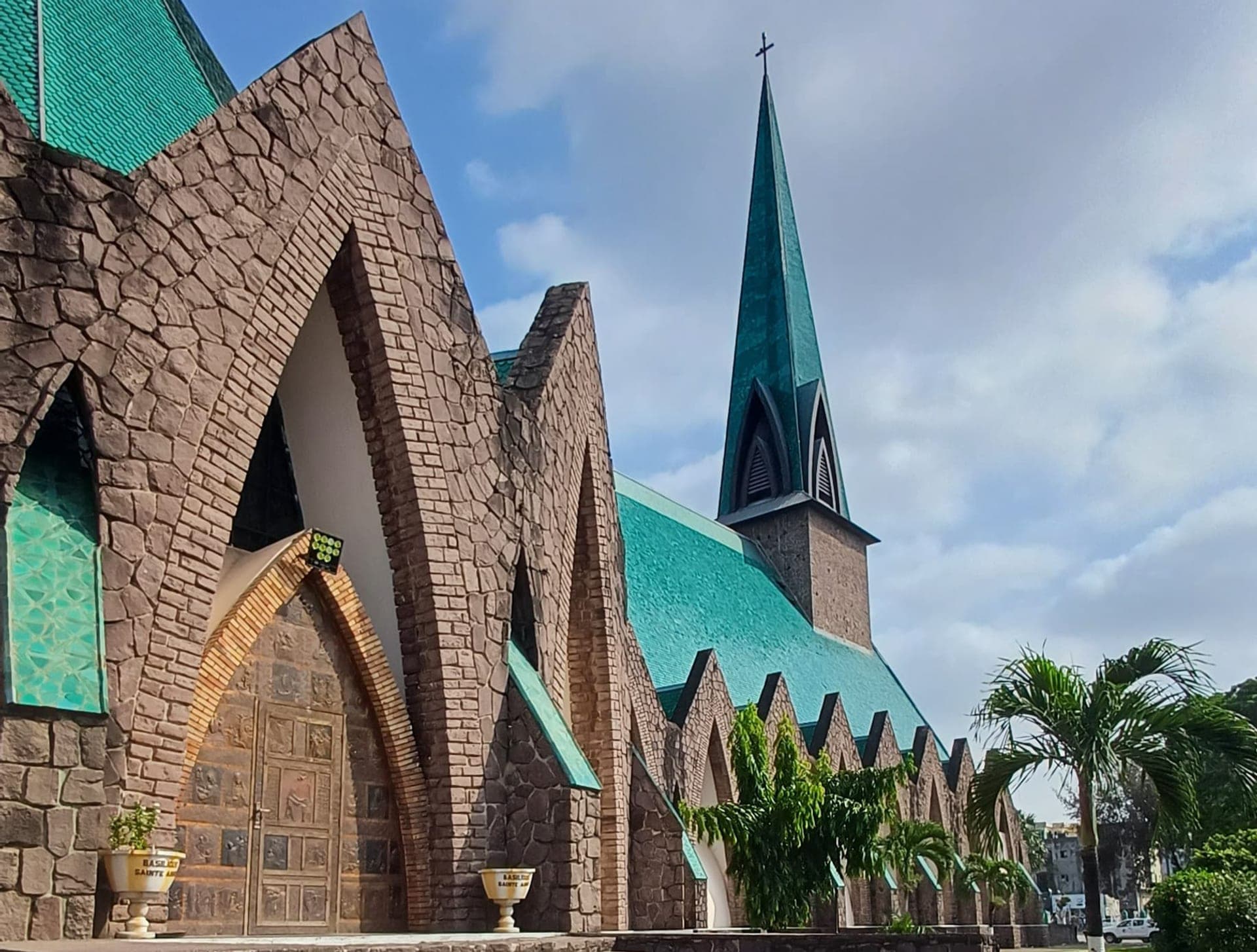
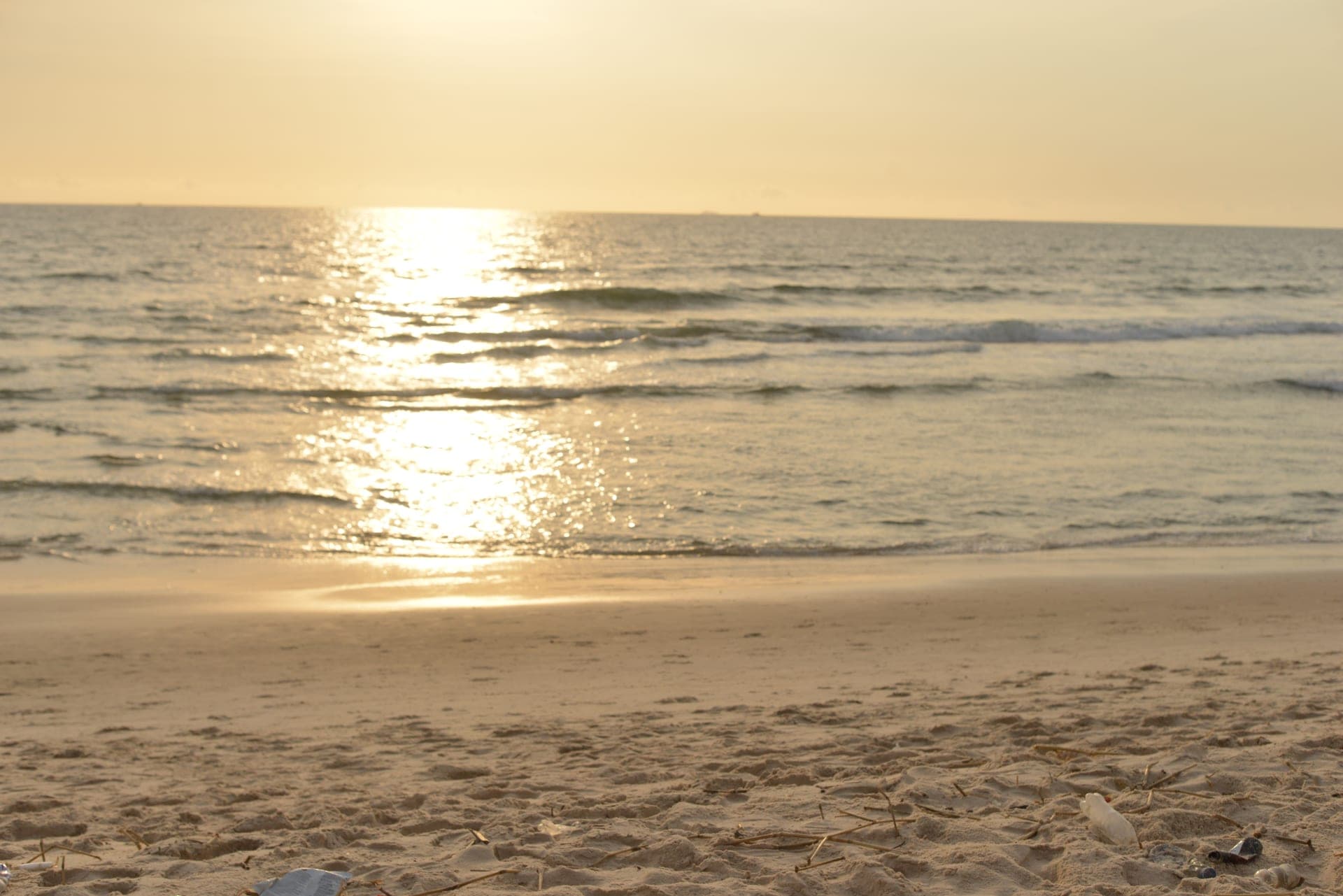
Brazzaville, founded in 1880 by the Italian-French explorer Pierre Savorgnan de Brazza, served as the capital of French Equatorial Africa from 1910 and briefly as the capital of Free France under Charles de Gaulle during 1940–42, before Congo's independence in 1960. Denis Sassou Nguesso has dominated the country's politics for nearly all of the past five decades — an earlier stint from 1979–1992, then continuously since retaking power in a 1997 civil war, most recently winning a fifth term with a claimed 94.82% of the vote in the 15 March 2026 election, sworn in the following month amid an opposition boycott, activist arrests, and an internet blackout on election day. Succession speculation centres on his son and Minister of International Cooperation, Denis Christel Sassou-Nguesso, competing for influence against senior security-establishment figures. Economically the country remains heavily dependent on oil exports through Pointe-Noire, the Atlantic coastal city that also functions as the commercial and port hub; its exposed 'Côte Sauvage' ('Wild Coast') stretch is dramatic to look at but swimming is discouraged given a steep offshore continental shelf and dangerous currents.
Visitors need a visa arranged in advance — there is no e-visa system or visa on arrival — typically issued as a six-month multiple-entry visa through a Congolese embassy, with processing taking roughly one to two weeks; a yellow fever certificate is required at entry. The US State Department rates the country Level 2 — Exercise Increased Caution, citing violent and armed crime risk, and the UK FCDO advises against all travel within 50km of the Central African Republic border in Likouala Region specifically. Climate follows a four-season equatorial-to-tropical pattern: long rains October–December, a short dry spell January–February, short rains March–April, and the long dry season June–September, which is generally the best window for road access to the northern parks, though January–February can be better for gorilla viewing as animals range out of the deepest forest.
Practical info.
Climate
Best time: Jun–Sep (long dry season, best road access to northern parks); Jan–Feb secondary dry window, sometimes better for gorilla viewing.
Visa & entry
Advance visa required (no e-visa or visa on arrival). Republic of Congo has no e-visa or visa-on-arrival system; visas must be arranged in advance through a Congolese embassy or consulate, typically issued as a six-month multiple-entry visa taking one to two weeks to process. A yellow fever vaccination certificate is required at entry. The US State Department rates the country Level 2 — Exercise Increased Caution for violent/armed crime; the UK FCDO advises against all travel within 50km of the CAR border in Likouala Region.
Money
Central African CFA franc (XAF). Mobile money is widely accepted; carry some cash for rural travel.
Safety & health
Anti-malarial cover for low-elevation regions; standard travel insurance recommended.
How is Republic of the Congo measured?
Tourism is the story; data is the context. Health, population, economy and climate indicators across Republic of the Congo — sourced from the World Bank, WHO and UNICEF.
See Republic of the Congo in numbers