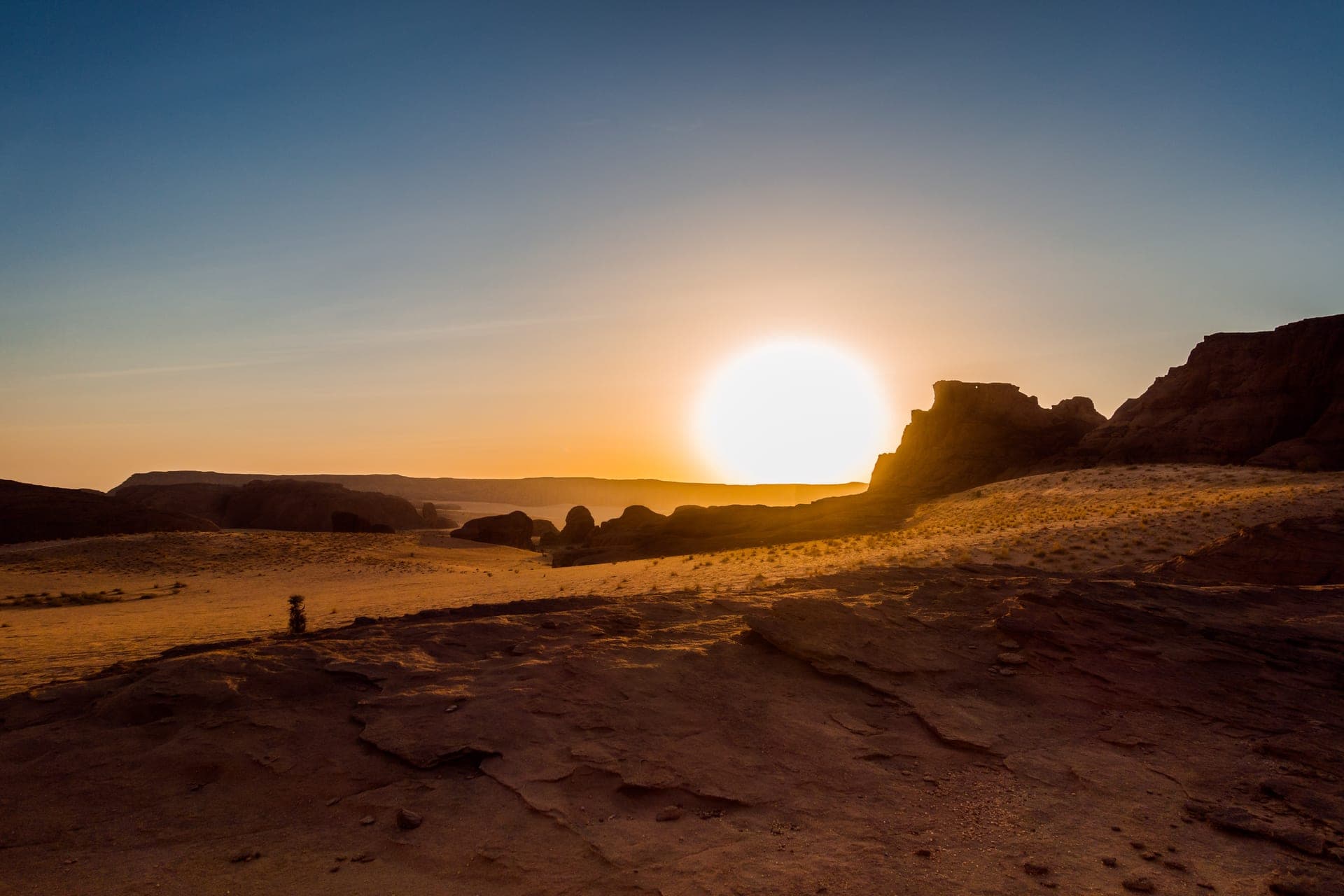
Photo by Denis Barthel, CC BY-SA 3.0, via Wikimedia Commons
Equatorial GuineaTourism
Africa's only Spanish-speaking nation splits across a volcanic island and a stretch of mainland rainforest coast, pairing Malabo's Spanish-colonial old quarter with Bioko's cloud-forested peaks and some of the last serious primate strongholds on the continent — all funded by one of Africa's largest oil economies.
A country measured in horizons.
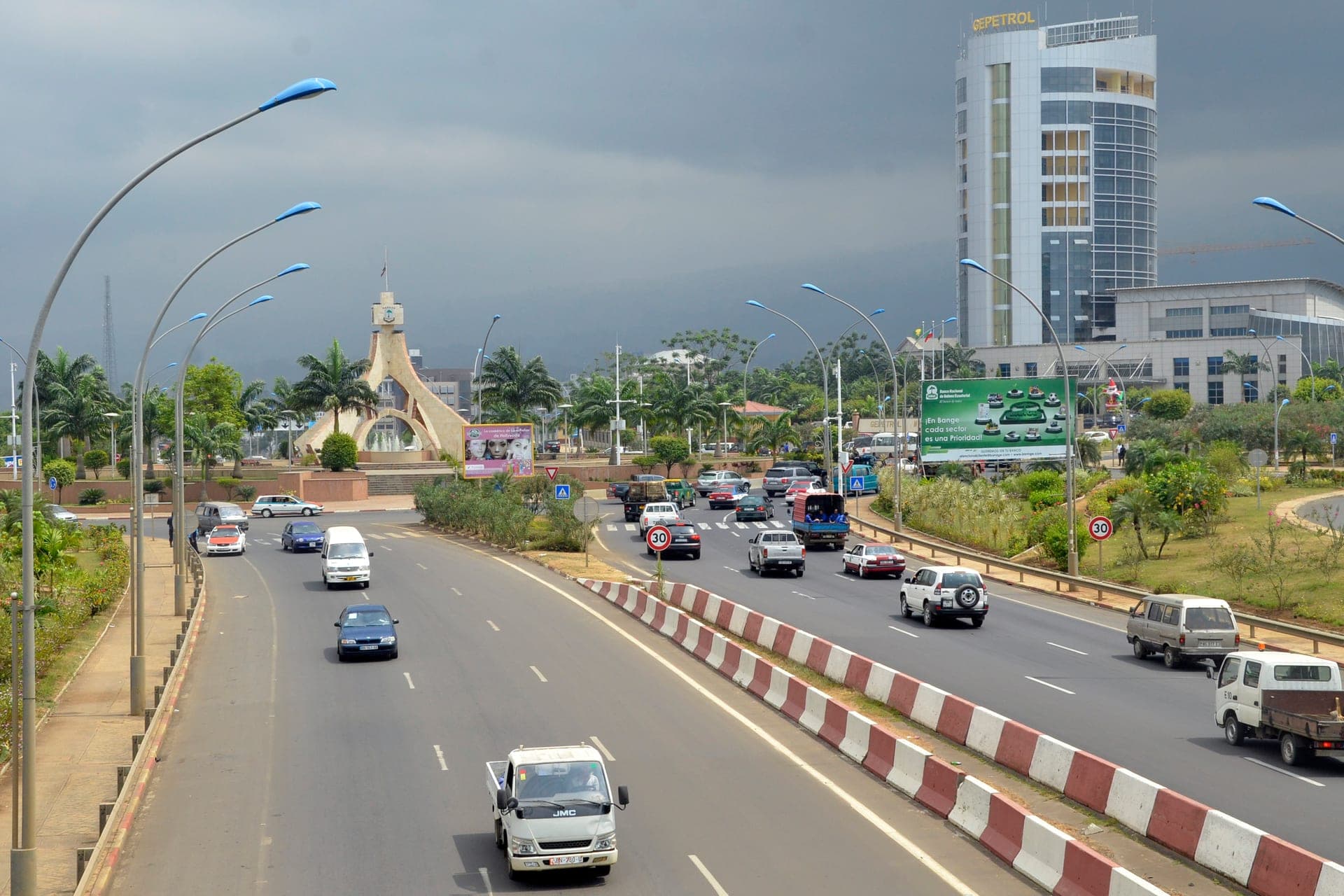
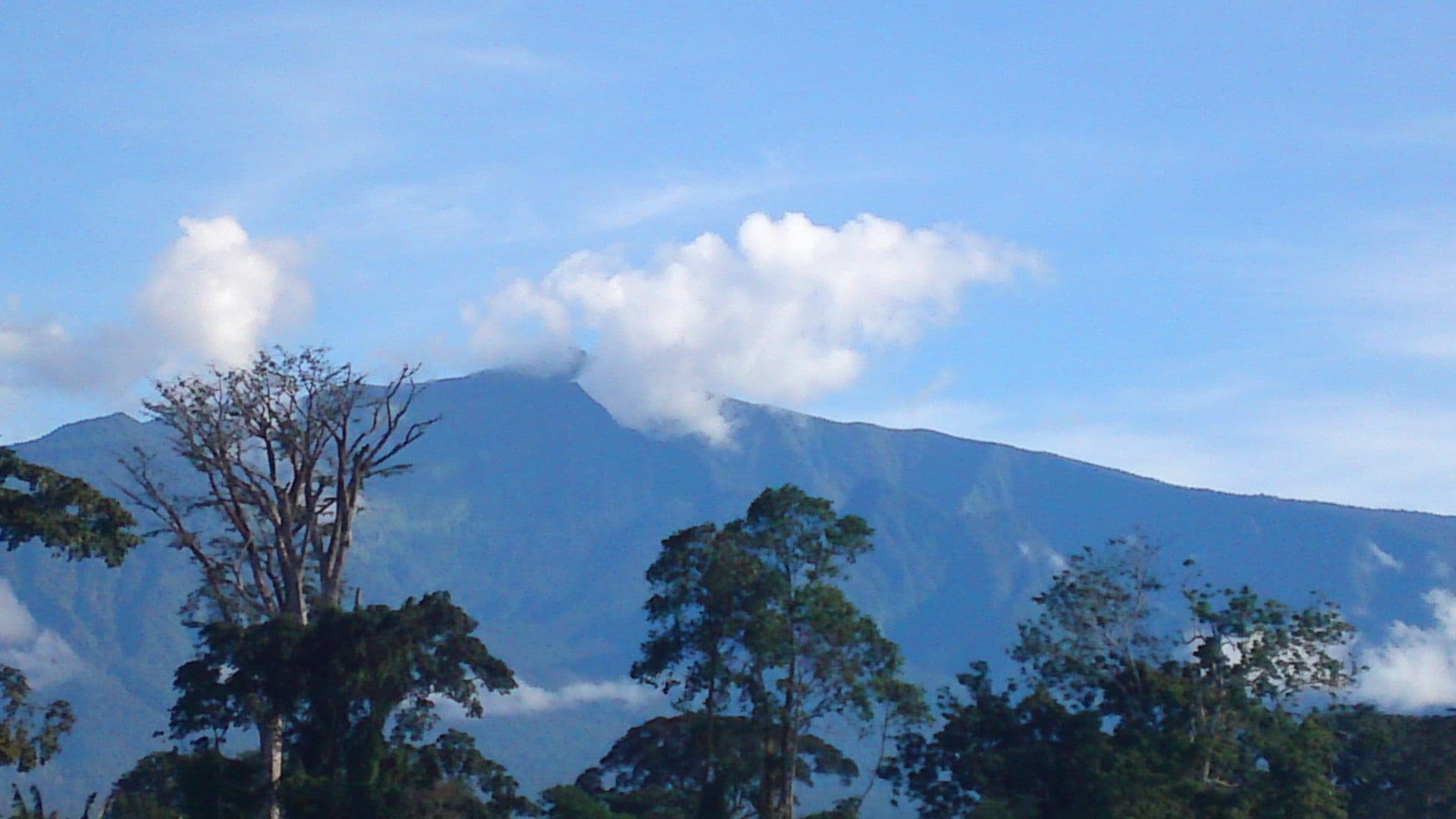
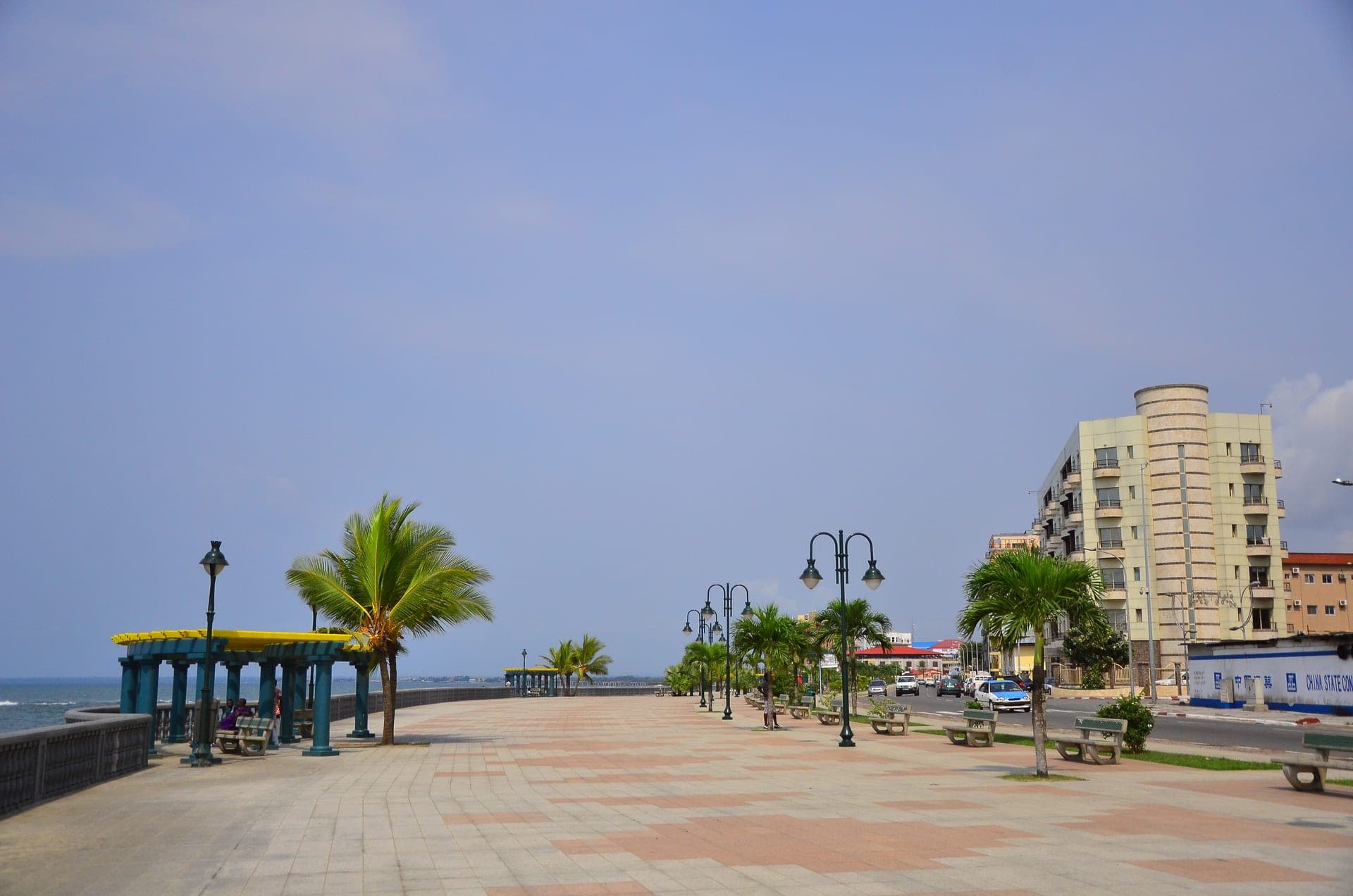
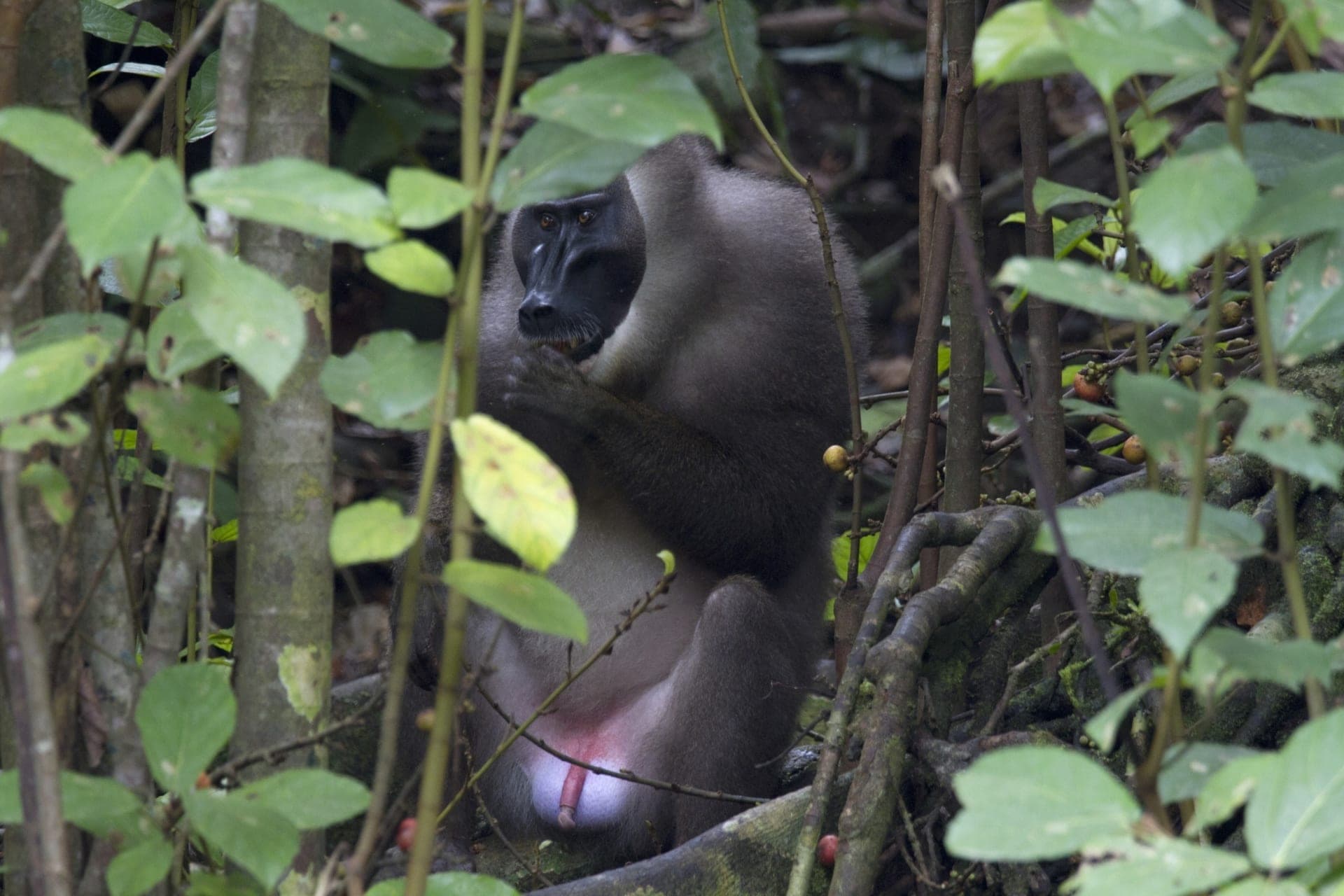
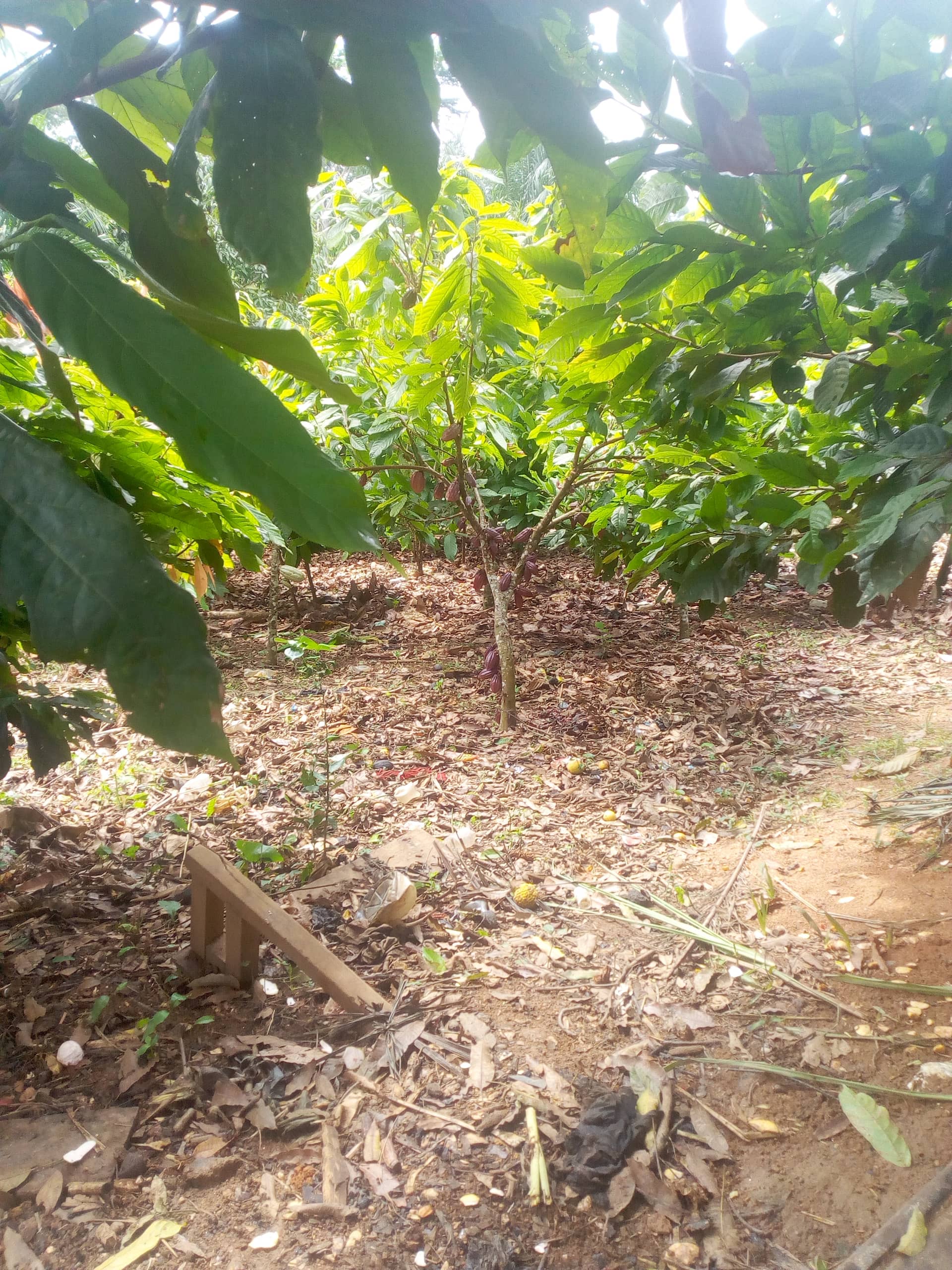
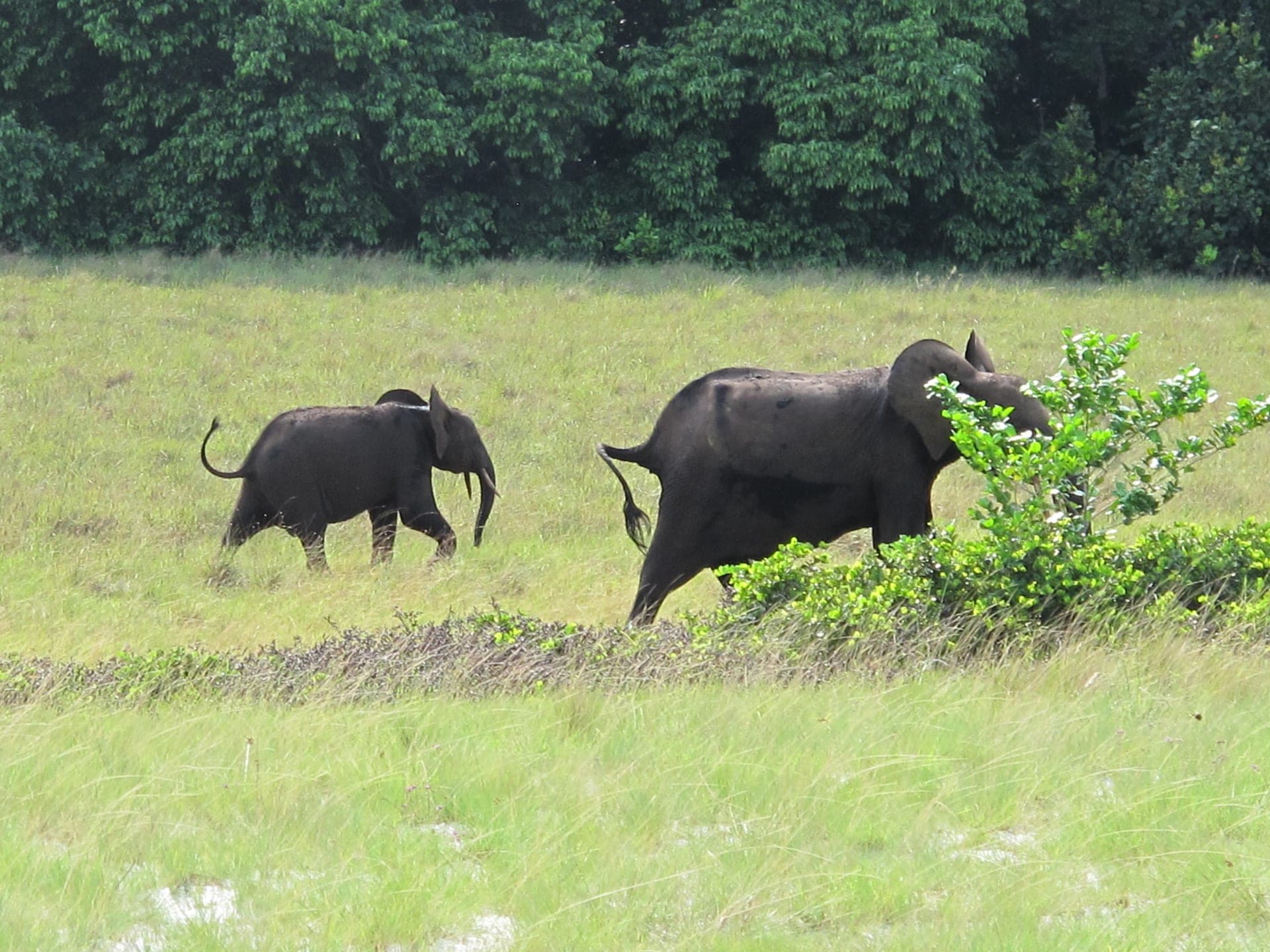
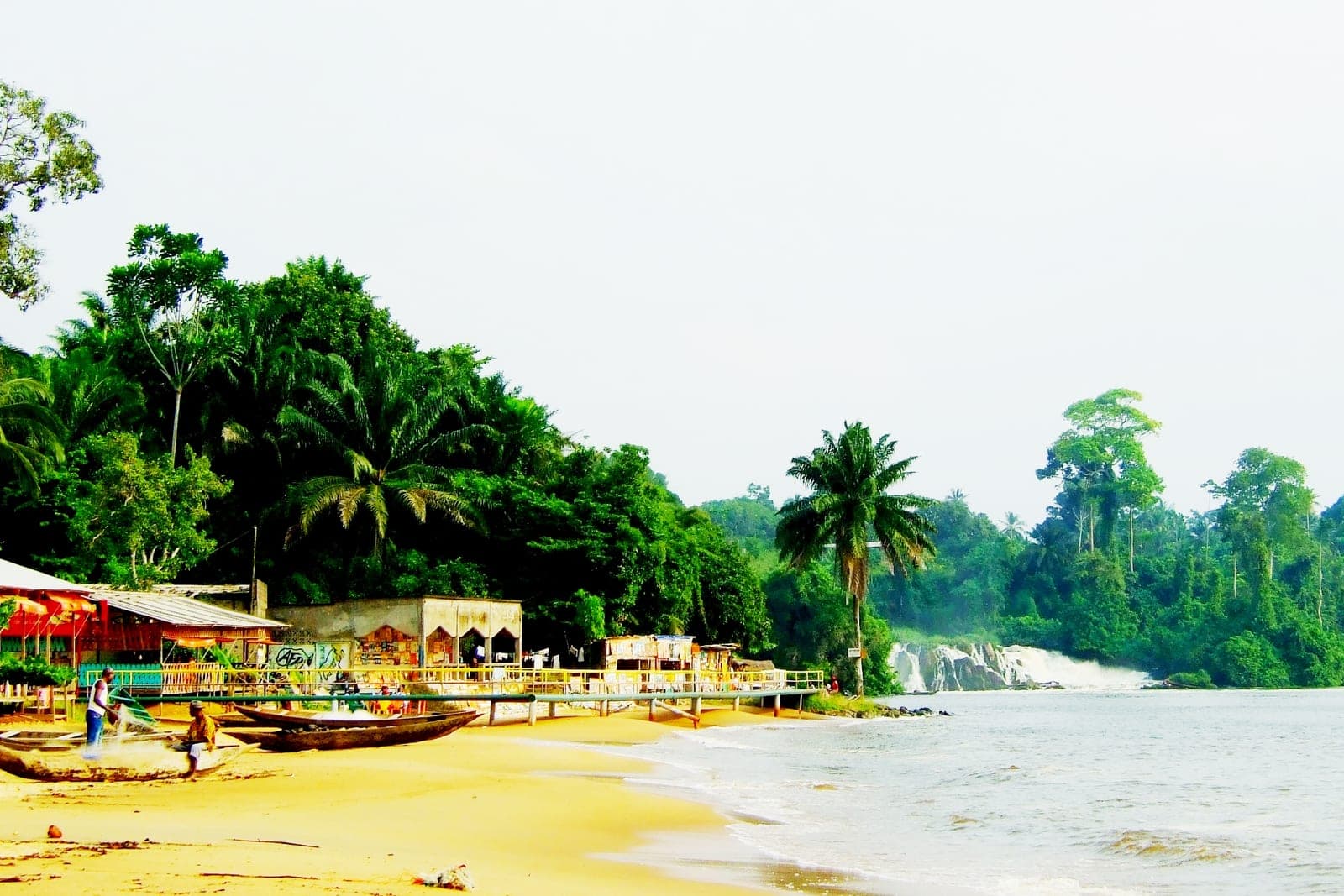
Equatorial Guinea is split between Bioko, a volcanic island in the Gulf of Guinea, and Río Muni, a mainland strip between Cameroon and Gabon. Bioko is dominated by Pico Basilé, a 3,011-metre volcanic cone — the country's highest point — protected within Pico Basilé National Park since 2000 and layered with rainforest, cloud forest, and subalpine vegetation zones. The island is also one of the most important primate sites in Central Africa, monitored by the Bioko Biodiversity Protection Program's field station at Moka, a partnership with Drexel University tracking species like drills and Preuss's monkeys under severe hunting pressure, alongside marine turtle nesting along the coast. Near Malabo, Finca Sampaka is a working cacao plantation founded around 1906 that still grows fine-aroma cocoa on its original colonial-era grounds and is open for guided visits. On the mainland, Bata is the country's largest city and Río Muni's economic hub, a busy Atlantic port that has functioned as the practical mainland capital even as government offices increasingly relocate to purpose-built Ciudad de la Paz nearby in Djibloho province.
President Teodoro Obiang Nguema Mbasogo has ruled since seizing power in an August 1979 coup — 47 years in office as of 2026, among the longest tenures of any head of state alive, most recently re-elected to a sixth term in 2022. His son and long-presumed successor, Vice President Teodorín Obiang Mangue, has run his own anti-corruption campaign against rival elites since late 2025, a move some observers read less as reform than as jockeying that has unsettled the oil-rentier and military establishment ahead of an eventual succession. In January 2026 a presidential decree named Ciudad de la Paz — a new city built from oil revenue in Djibloho province on the mainland — the country's de jure capital, replacing Malabo; the transfer of ministries and agencies is expected to take months, and Malabo remains the functional seat of government along with the country's only airport equipped for international e-visa arrivals. The economy remains heavily dependent on oil and gas exports, which have historically produced one of Africa's highest per-capita GDP figures alongside deep inequality.
Most nationalities, including US, UK, and EU citizens, need an e-visa arranged in advance through the government's online portal — introduced in July 2023 and still the standard route in 2026 — costing roughly USD 75 and processed in about three business days, with entry only via Malabo International Airport; CEMAC nationals (Cameroon, CAR, Chad, Congo, Gabon) can enter visa-free. The US State Department rates the country Level 2 — Exercise Increased Caution, citing crime, weak emergency medical care, and risk of arbitrary detention under local law enforcement, and the UK FCDO warns of mugging and armed robbery risk after dark in Malabo and Bata. Bioko's dry season from December to February is the best window for hiking Pico Basilé and visiting the coast, while the mainland's own dry season runs roughly June to August; both islands and the mainland see heavy rainfall the rest of the year.
Practical info.
Climate
Best time: Dec–Feb on Bioko (dry season, best for Pico Basilé and coast); Jun–Aug on the mainland (Río Muni dry season).
Visa & entry
E-visa required in advance for most nationalities (~USD 75, ~3 business days). Most nationalities, including US/UK/EU citizens, must obtain an e-visa in advance via the government's online portal, costing roughly USD 75 and processed in about three business days; entry is only via Malabo International Airport. CEMAC nationals (Cameroon, CAR, Chad, Congo, Gabon) may enter visa-free. A yellow fever certificate and proof of medical coverage are required. The US State Department rates the country Level 2 — Exercise Increased Caution for crime and weak emergency medical care.
Money
Central African CFA franc (XAF). Mobile money is widely accepted; carry some cash for rural travel.
Safety & health
Anti-malarial cover for low-elevation regions; standard travel insurance recommended.
How is Equatorial Guinea measured?
Tourism is the story; data is the context. Health, population, economy and climate indicators across Equatorial Guinea — sourced from the World Bank, WHO and UNICEF.
See Equatorial Guinea in numbers