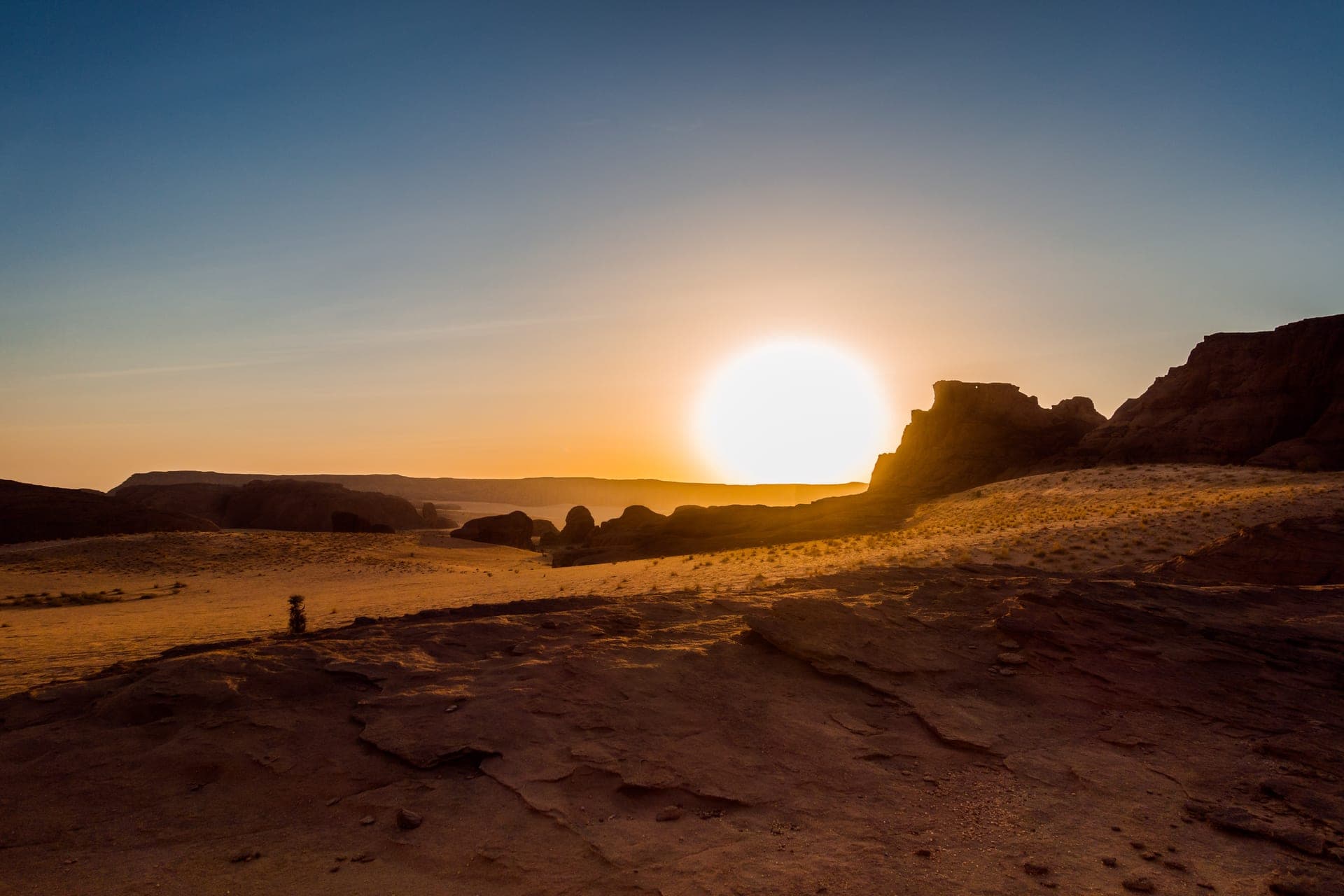
Photo by Selengoumadavid, CC BY-SA 4.0, via Wikimedia Commons
Central African RepublicTourism
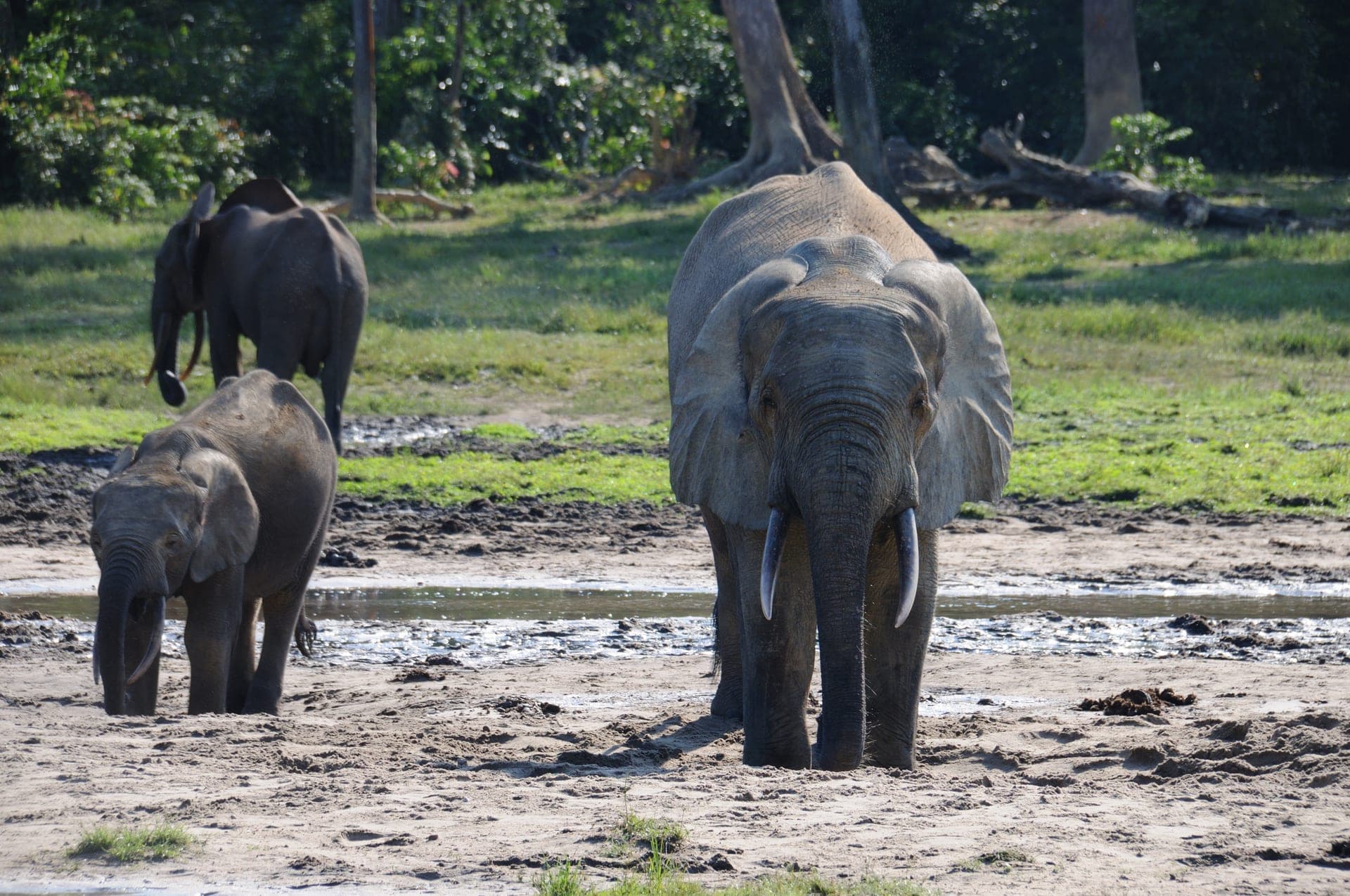
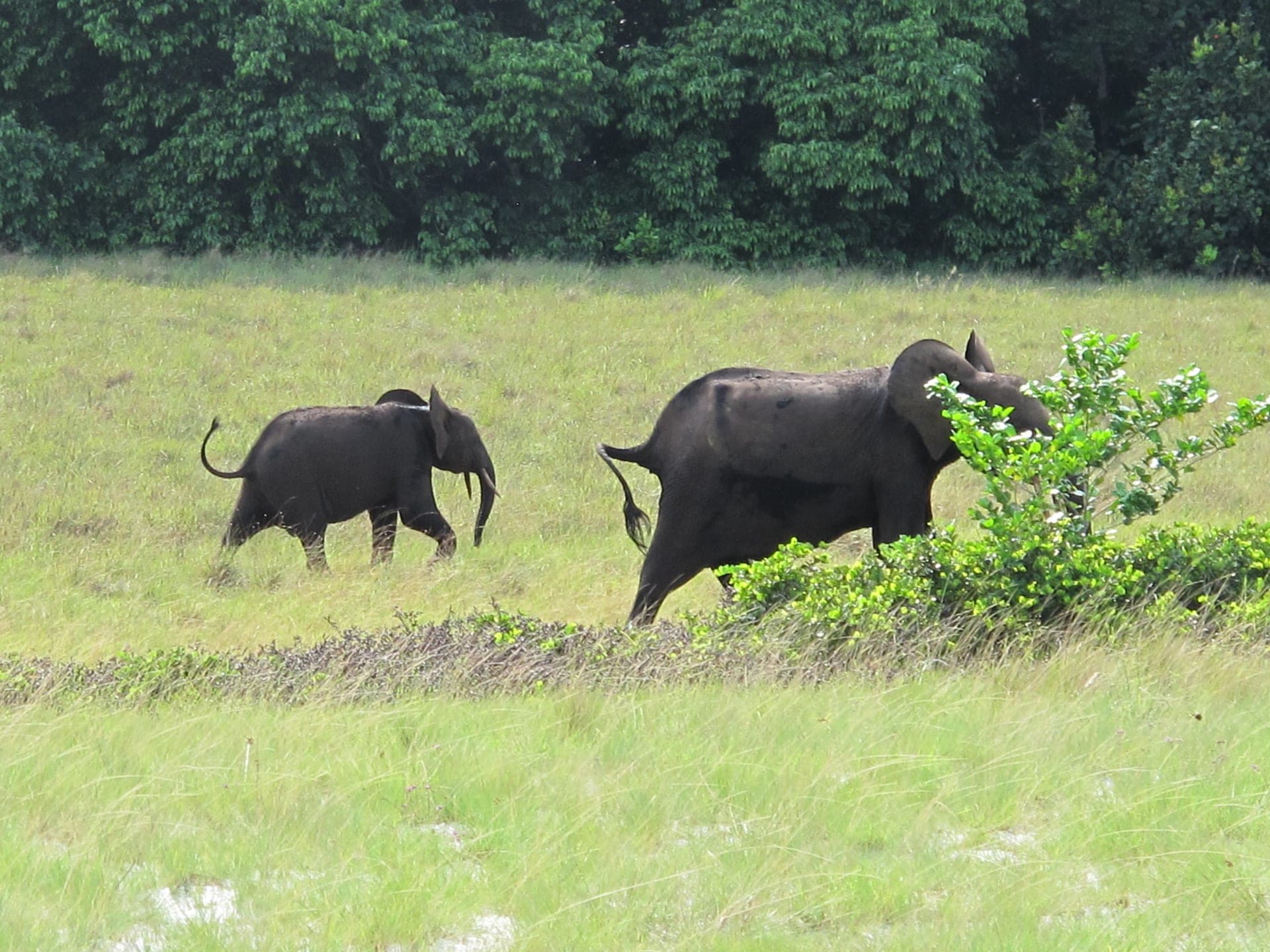
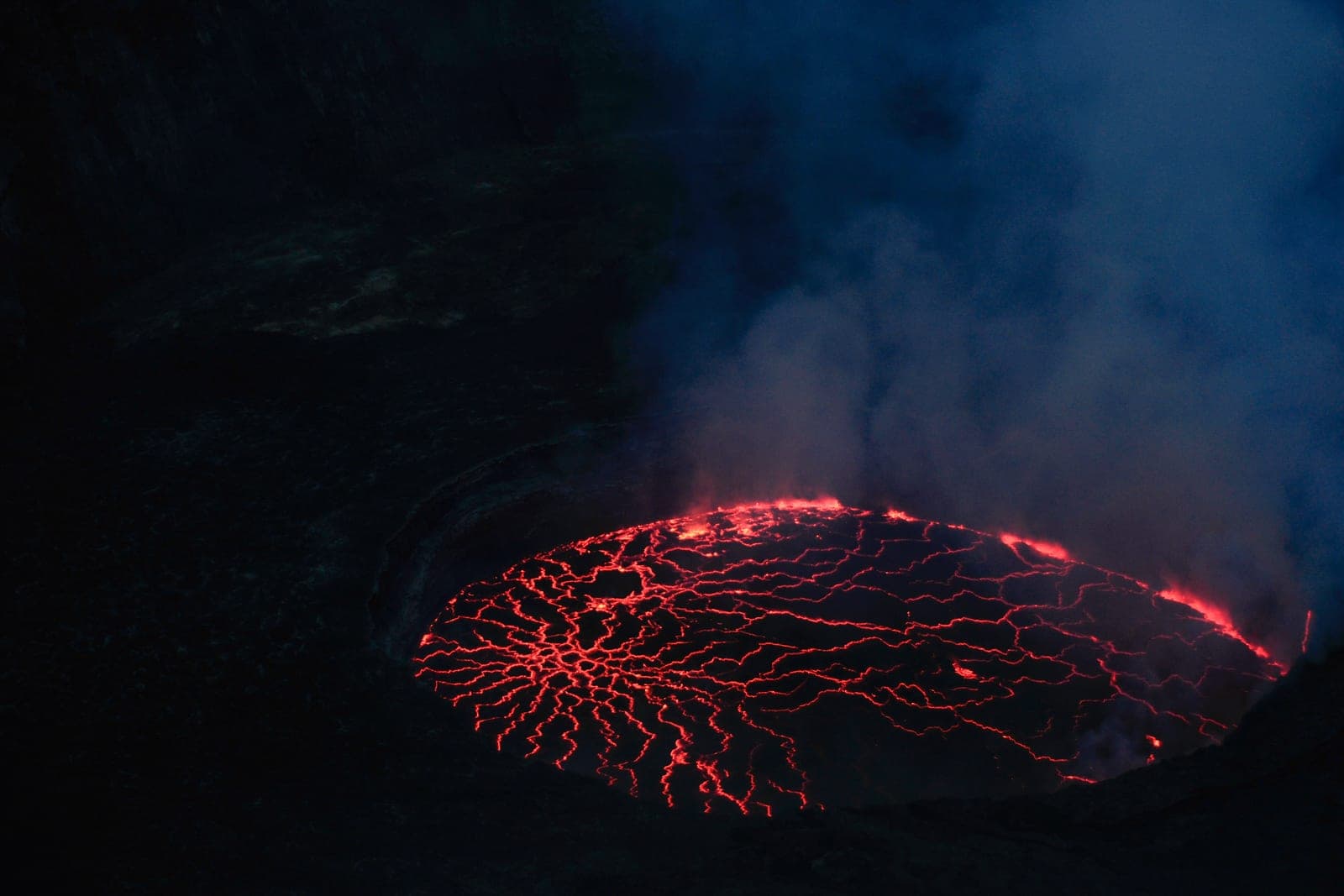
A vast, sparsely populated landlocked country of savanna and rainforest at the geographic heart of the continent, the Central African Republic holds one of Earth's most active volcanoes' equatorial cousins in reputation only — its real draw is one of the least-visited wildlife interiors in Africa, reachable mostly by river and dirt track rather than road.
A country measured in horizons.
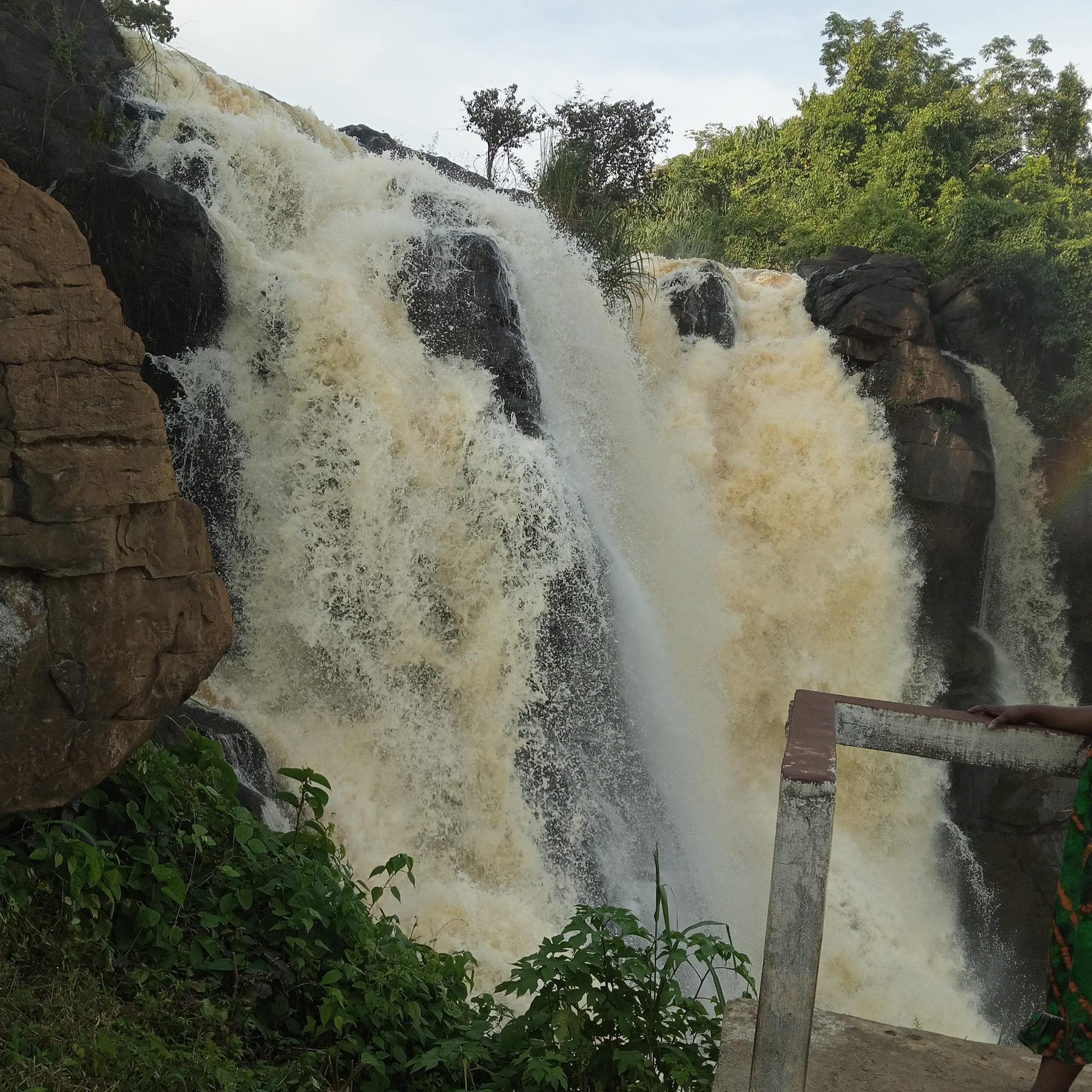
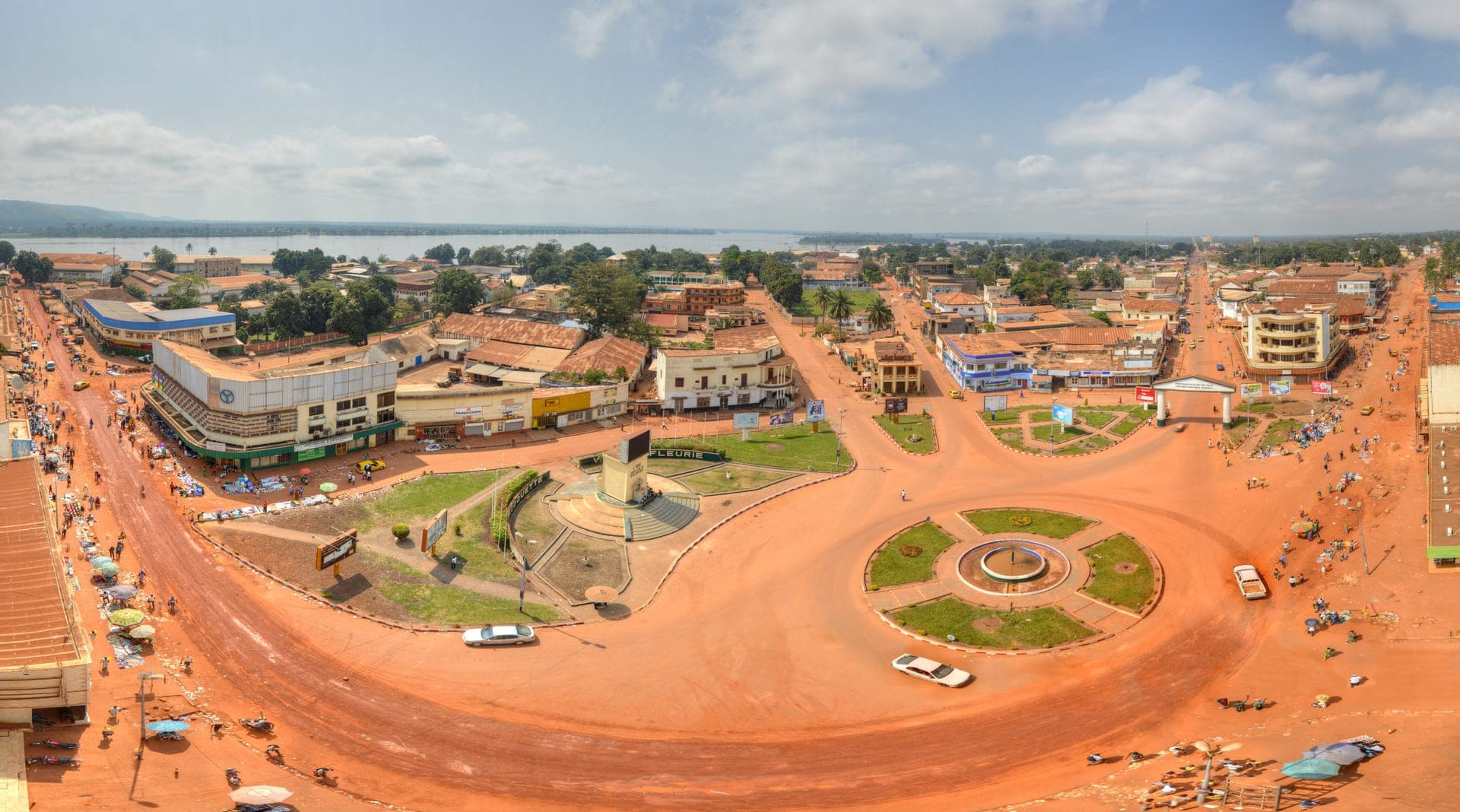
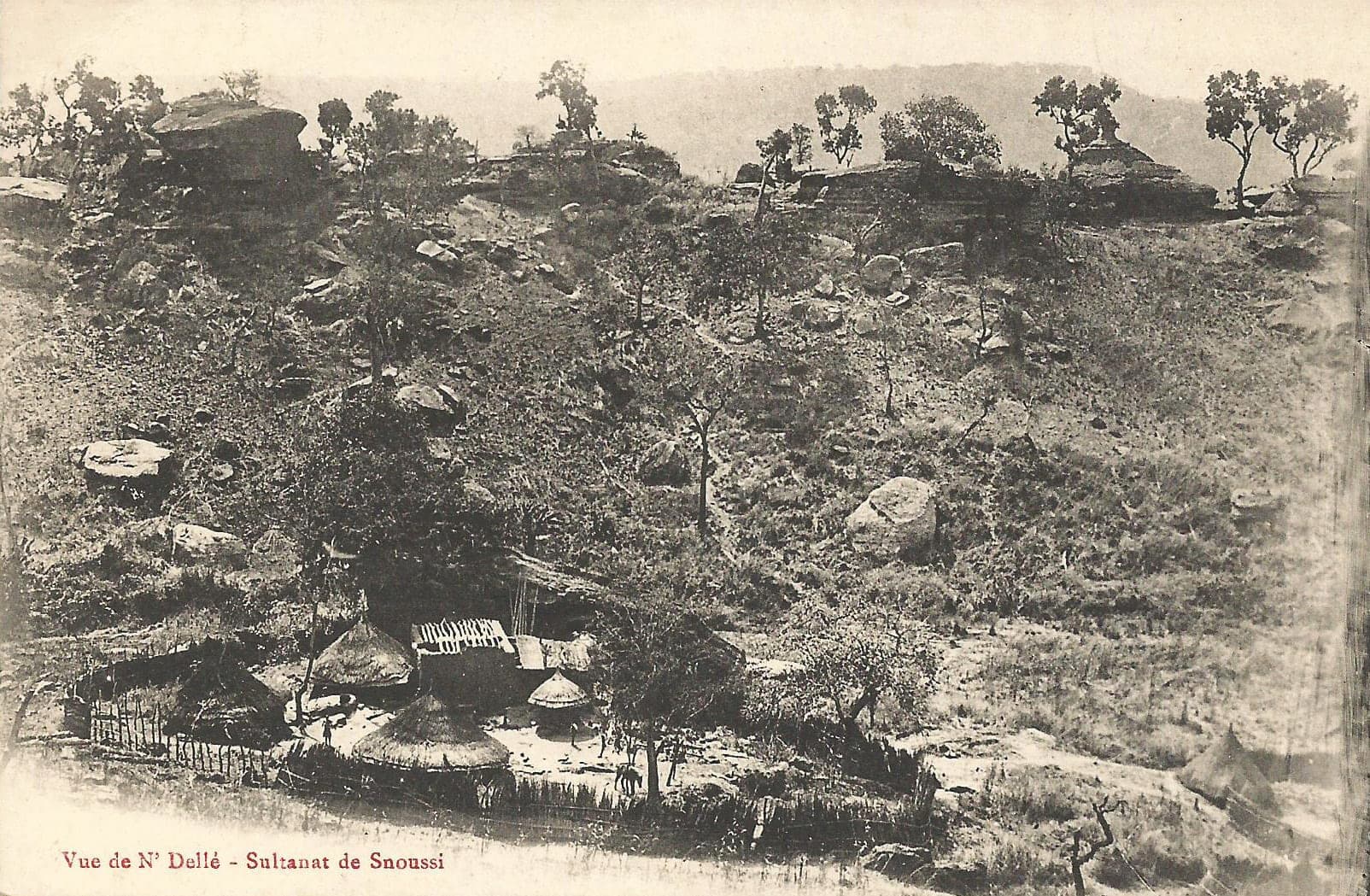
The Central African Republic sits on a broad plateau straddling the Chari and Ubangi river basins, with Sudanian savanna woodland across the north and dense equatorial rainforest in the southwest bordering Cameroon and the Republic of the Congo. Just 95km from the capital, the Chutes de Boali (Boali Falls) drop roughly 50 metres over a wide schist cliff on the M'Bari River and have powered Bangui's electricity grid since a hydroelectric plant was built there in 1955 — the falls run fuller on Sundays, when weekday power generation eases off and more water is allowed to flow over the top. In the remote north near Ndélé, the 18th-century Tata (fortified hilltop palace) of Sultan Sénoussi still stands behind ramparts and a deliberately narrow rock-cut entrance; Sénoussi was a slave-raiding warlord killed by French colonial troops in 1911, after which the town of Ndélé was founded around his former stronghold. Nearby, the strict Vassako-Bolo nature reserve — one of the country's oldest protected areas, dating to 1933 — sits inside the much larger Bamingui-Bangoran National Park, a Sudanian savanna biosphere reserve on a 400–500 metre plateau.
CAR's post-independence history has been defined by chronic instability: a series of coups, the erratic self-declared 'empire' of Jean-Bédel Bokassa in the 1970s, and — since 2013 — a civil war between the mostly Muslim ex-Séléka coalition and mostly Christian Anti-Balaka militias that has never fully resolved, with the CPC rebel coalition still contesting territory in rural prefectures. President Faustin-Archange Touadéra, in power since 2016, won a third term with 76.15% of the vote in the 28 December 2025 general election after a 2023 constitutional referendum abolished presidential term limits and extended terms from five to seven years; the main opposition bloc boycotted, calling the political environment unequal. Russia's Wagner Group entered the country in 2017 to help the government fight rebels, peaked at roughly 2,100 personnel in 2021, and has since been folded into Russia's state-run Africa Corps, with an estimated 1,500 Russian personnel still present as of early 2026 — both forces have been accused of serious human rights abuses against civilians. Bangui's Boganda National Museum, opened in 1966 and named for CAR's first prime minister, has reportedly remained closed since sustaining damage and looting during the civil war's worst years around 2013–14, and its current reopening status is unconfirmed.
Most travelers arrive via Bangui M'Poko International Airport; there is no e-visa or visa-on-arrival system, so a visa must be arranged in advance through a CAR embassy or consulate (typically 4–7 working days), and a valid yellow fever vaccination certificate is required at entry. The US State Department rates CAR at Level 4 — Do Not Travel, citing armed conflict, crime, and kidnapping risk, and the UK FCDO advises against all travel outside Bangui and against all but essential travel to Bangui itself, including the airport; neither government maintains normal consular capacity in-country. The dry season from late November to March, especially December through January, is markedly more passable, with the Harmattan bringing dusty winds from the Sahara to the north; the wet season from May to October brings heavy rain that can cut off roads entirely, particularly in the more forested south. This is not a destination for casual or independent tourism at present — travel here realistically means an organized trip with a specialist operator and current on-the-ground guidance.
Practical info.
Climate
Best time: Late Nov–Mar (dry season, most passable roads); Dec–Jan driest with Harmattan dust in the north; May–Oct wet season can cut off roads.
Visa & entry
Advance visa required (no e-visa or visa on arrival). CAR has no e-visa or visa-on-arrival system; a visa must be obtained in advance from a CAR embassy or consulate, typically taking 4–7 working days and valid for 30 days. A yellow fever vaccination certificate is mandatory at entry. The US State Department rates the country Level 4 — Do Not Travel, and the UK FCDO advises against all travel outside Bangui (and against all but essential travel even within Bangui) due to armed conflict, crime, and kidnapping risk; independent tourism is not realistic under current conditions.
Money
Central African CFA franc (XAF). Mobile money is widely accepted; carry some cash for rural travel.
Safety & health
Anti-malarial cover for low-elevation regions; standard travel insurance recommended.
How is Central African Republic measured?
Tourism is the story; data is the context. Health, population, economy and climate indicators across Central African Republic — sourced from the World Bank, WHO and UNICEF.
See Central African Republic in numbers