AlgeriaTourism
Algeria is the largest country in Africa, and over eighty percent of it is Sahara. Above that desert, the Mediterranean coast at Algiers carries Roman ruins (Tipasa, Djemila, Timgad), an Ottoman-era casbah, and a French colonial-era boulevard layout — and almost no foreign visitors compared to its North African neighbours.
A country measured in horizons.
Algeria's geography is dominated by the Sahara, which begins about 200 kilometres south of the coast and continues for another 1,800 kilometres to the Niger and Mali borders. The Tassili n'Ajjer plateau, a UNESCO World Heritage site, holds 8,000-year-old rock art at Tadrart Acacus and surreal sandstone formations the size of cities. The Hoggar Mountains around Tamanrasset rise to 2,900 metres in the deep south, with volcanic peaks and Tuareg trading routes that still operate. The Mediterranean coast itself is 1,200 kilometres of fishing ports, beach towns, and the headland Casbah of Algiers — a hillside warren of staircases and Ottoman houses now UNESCO-listed and slowly being restored.
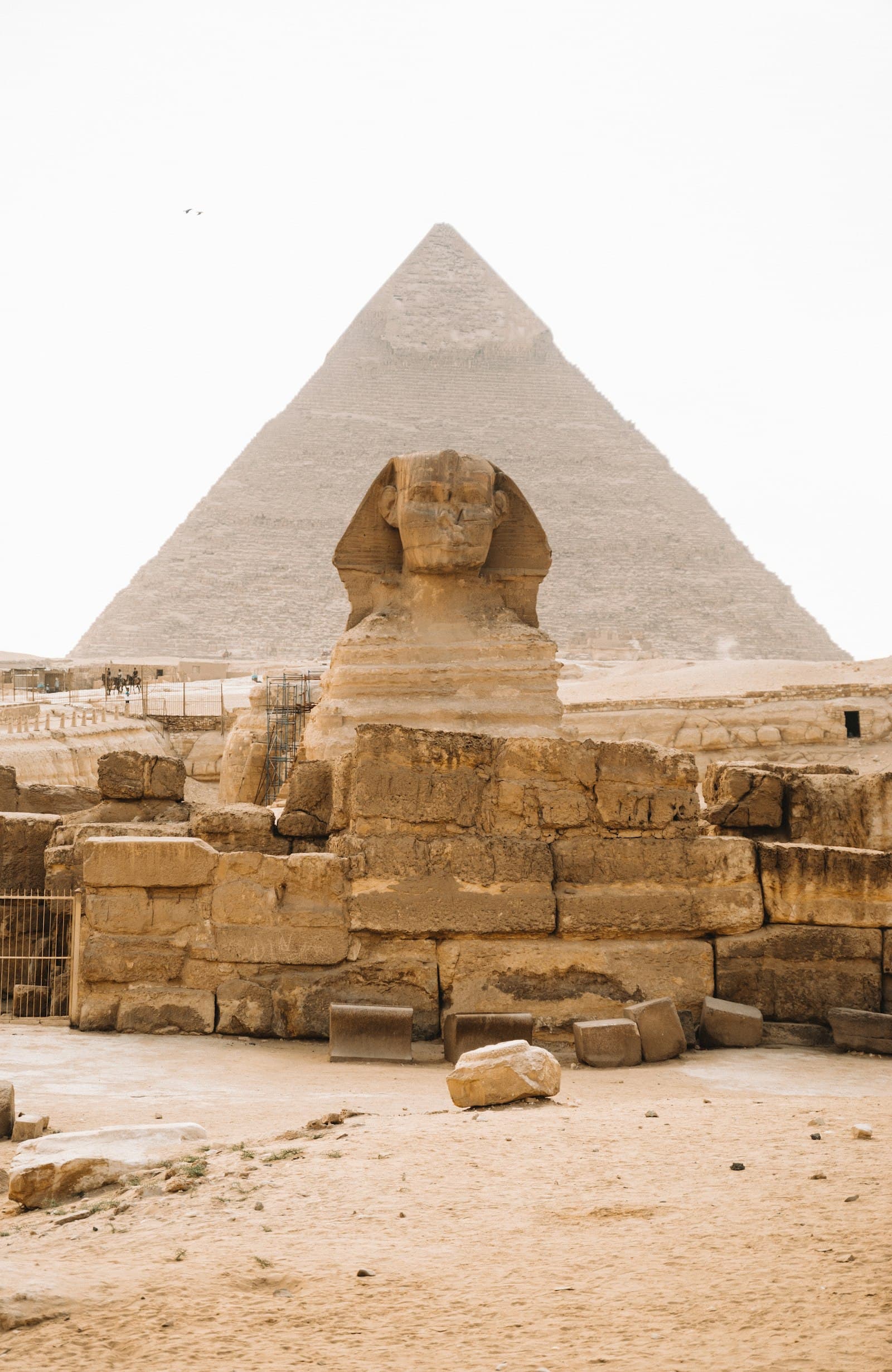
The Roman inheritance is exceptional and under-visited. Timgad, Trajan's planned colony in the Aurès mountains, is one of the best-preserved Roman cities anywhere — a complete grid of streets, a forum, and a triumphal arch left intact when the city was abandoned in the seventh century. Djemila, its sister site at higher altitude, is similarly intact. Tipasa, on the coast west of Algiers, holds Roman, early-Christian, and Phoenician ruins above an Atlantic-style cliff coastline. None of these sites carry the visitor pressure of Roman Tunisia or Italy; Djemila on a weekday will frequently be empty.
Travel here is improving but still requires patience. The visa process is the biggest hurdle — most nationalities need to apply at an Algerian consulate, with a letter of invitation or a registered tour operator's vouchers. Once on the ground, internal travel is straightforward: Algiers' metro and tram are functional, intercity trains connect the coast, and Air Algérie domestic flights reach Tamanrasset, Djanet, and Tindouf in two to three hours. September through April is the practical season — the Sahara is reachable, the coast is mild, and the Roman sites are walkable. Summer (June–August) is brutal in the desert and only tolerable on the Mediterranean.
Practical info.
Climate
Best time: September–April (Sahara reachable, mild coast); avoid June–August desert heat.
Visa & entry
Visa required for most nationalities (apply at embassy). Tour operator's invitation or hotel vouchers usually required. Expect 5–15 business days processing.
Money
Algerian dinar (DZD). Mobile money is widely accepted; carry some cash for rural travel.
Safety & health
Anti-malarial cover for low-elevation regions; standard travel insurance recommended.
How is Algeria measured?
Tourism is the story; data is the context. Health, population, economy and climate indicators across Algeria — sourced from the World Bank, WHO and UNICEF.
See Algeria in numbers