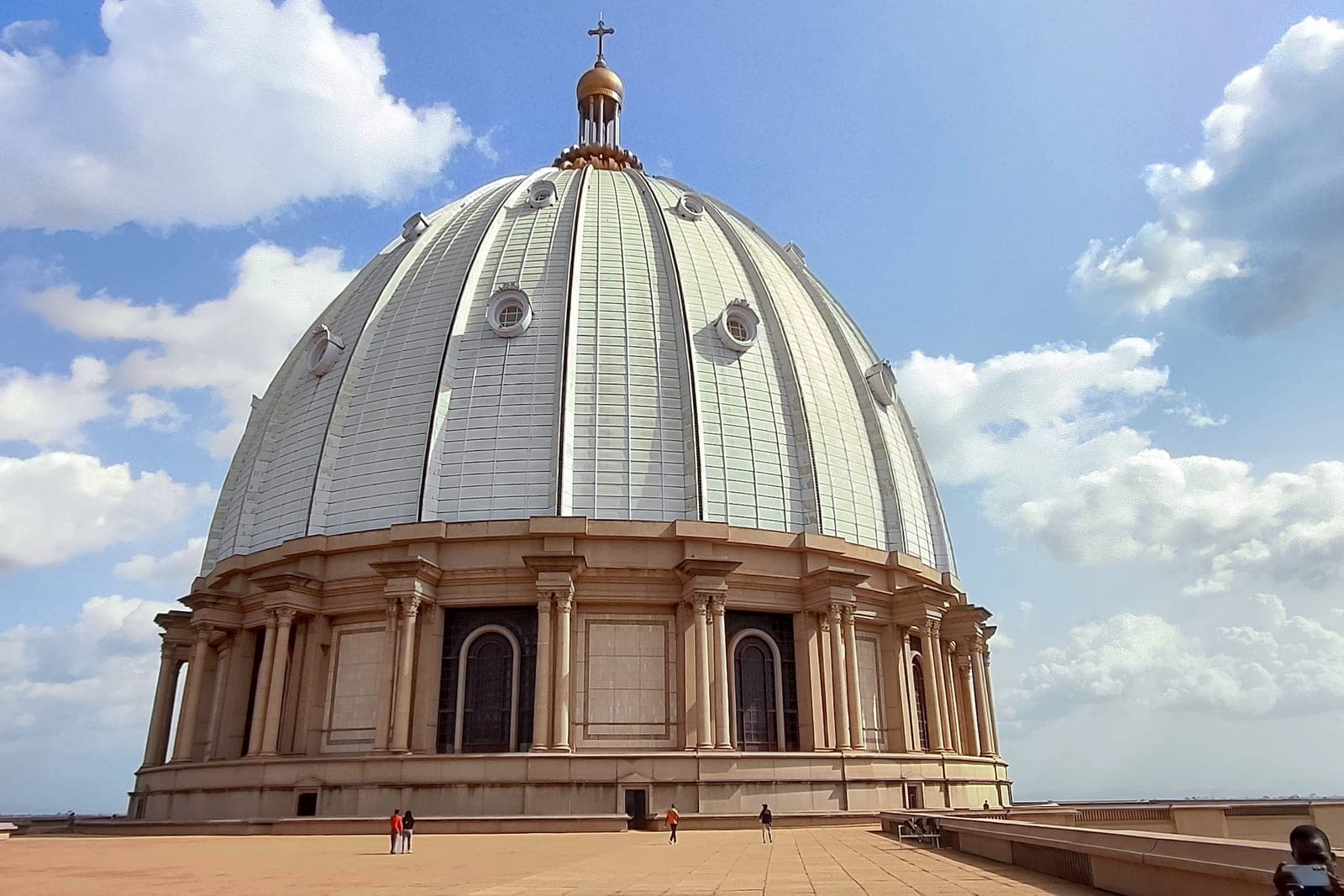
Photo by Essowoe, CC BY-SA 4.0, via Wikimedia Commons
TogoTourism
A sliver of a country running just 56 kilometres wide at the coast, Togo packs a UNESCO-listed mud-tower landscape, a lakeside voodoo capital, a hilltop coffee region, and West Africa's most famous fetish market into one short north-south drive.
A country measured in horizons.
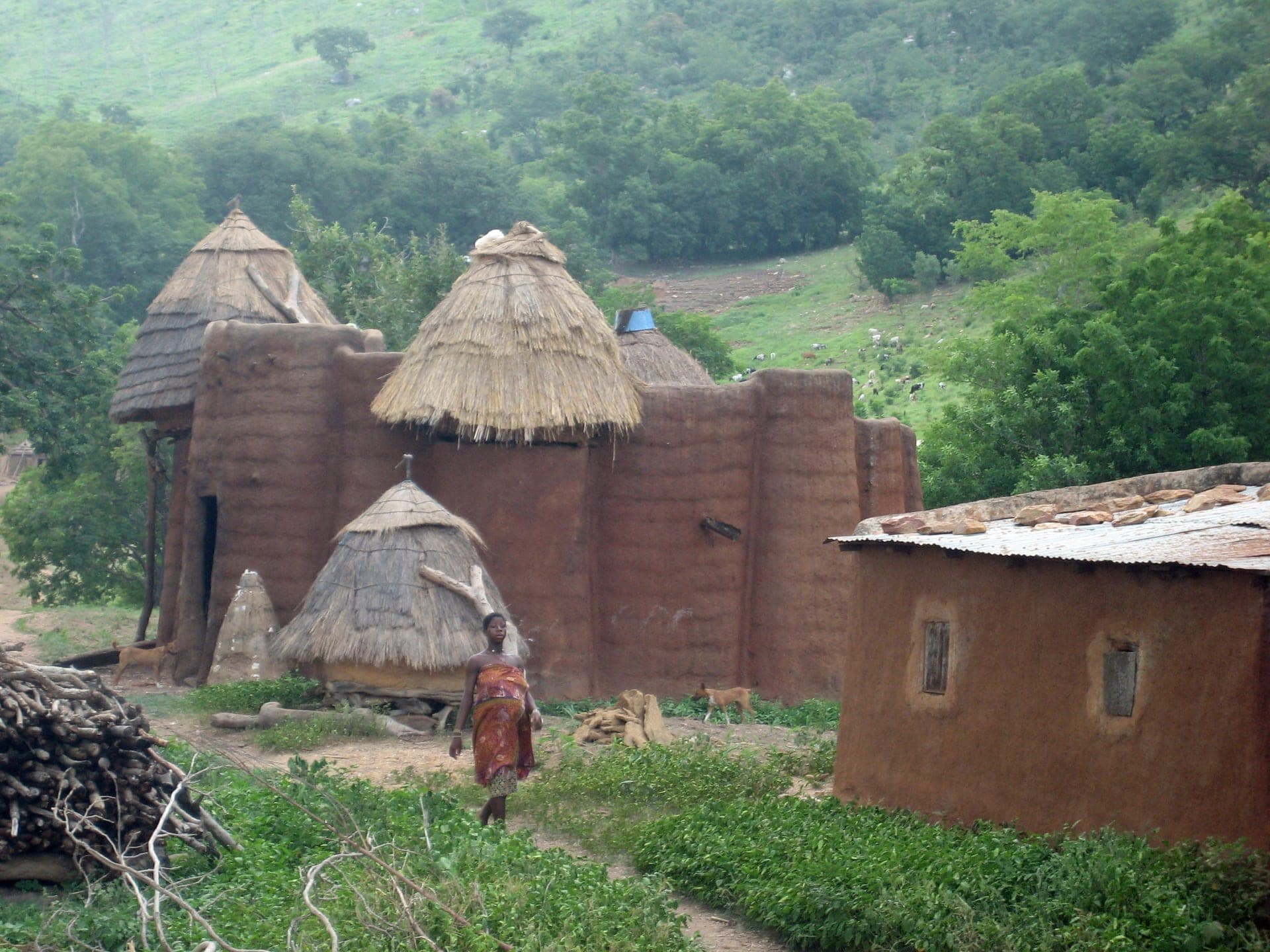
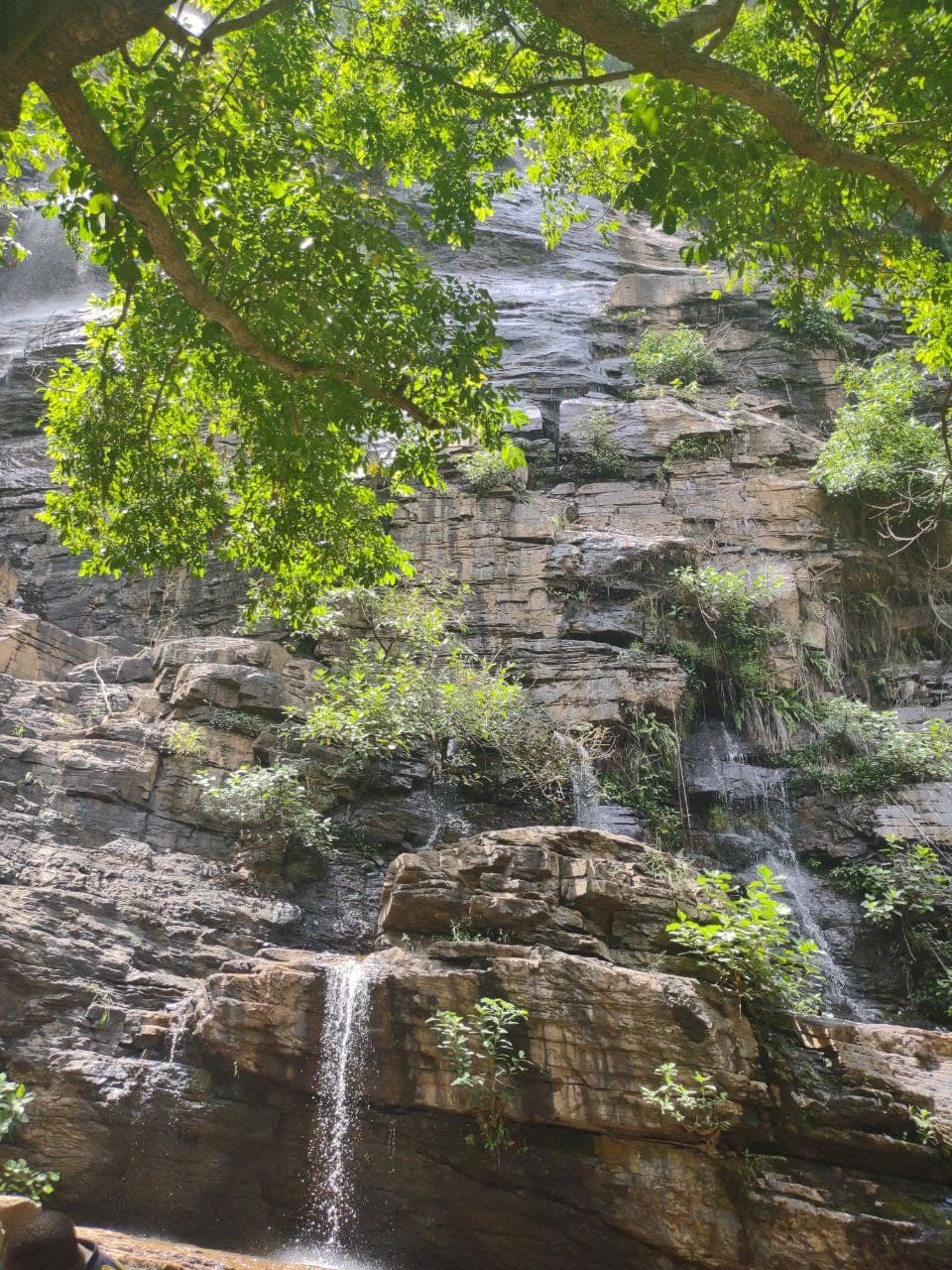
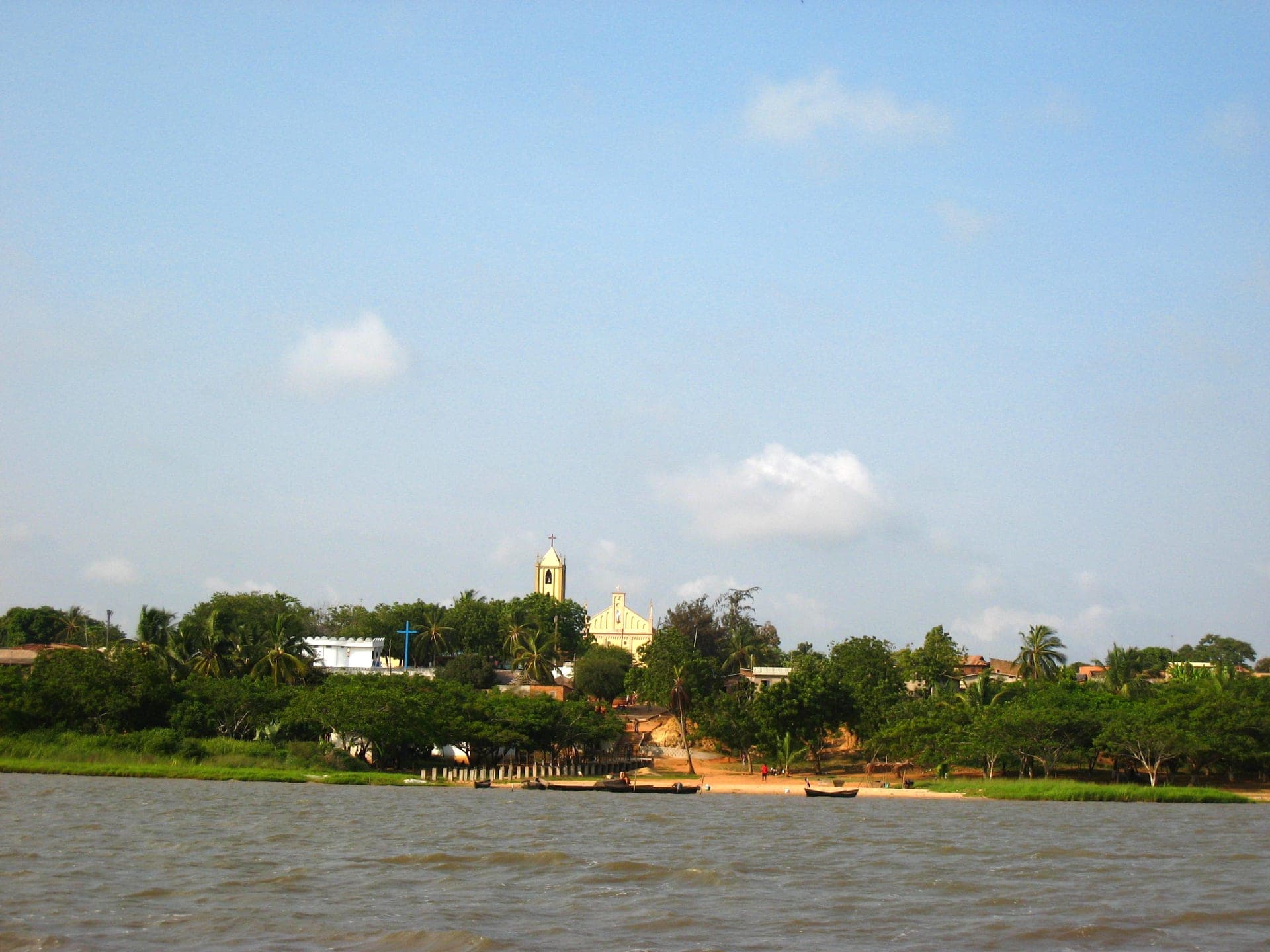
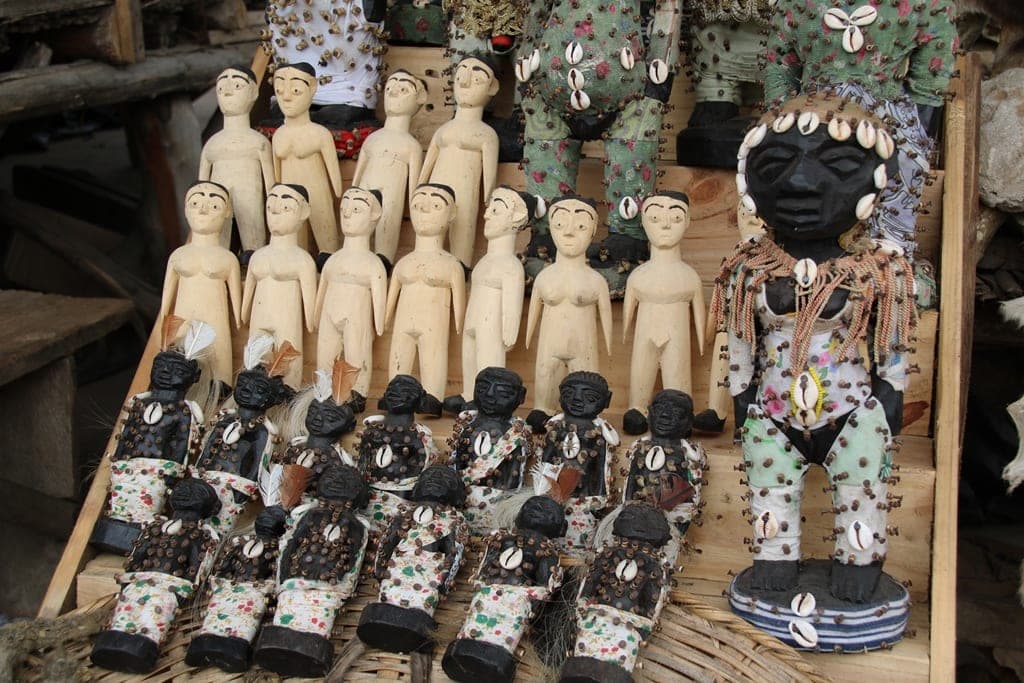
Togo is one of the narrowest countries in Africa, a strip barely 56 kilometres of coastline widening inland to about 540 kilometres north to south, sandwiched between Ghana and Benin. Lomé, the capital, sits right on the Gulf of Guinea border with Ghana and holds Akodessawa, the largest fetish (voodoo) market in West Africa, where practitioners buy ritual objects and animal parts for traditional Vodun ceremonies. East of the capital, Lake Togo and the town of Togoville — where German colonial officials signed the 1884 protectorate treaty with King Mlapa III — remain a centre of Vodun practice and pilgrimage. Inland and north, the Plateaux Region around Kpalimé rises into the Togo Mountains, cooler, wetter, and covered in cocoa and coffee plantations; Cascade de Kpimé, a two-tier waterfall dropping through the forest near Kpalimé, and Mont Agou, the country's highest point at 986 metres, are the region's signature stops. Far to the north, Koutammakou, the 'Land of the Batammariba,' is a UNESCO World Heritage cultural landscape of two-storey earthen tower-houses called takienta, shared across the Togo–Benin border.
Togo has been governed by one family since 1967: Gnassingbé Eyadéma seized power in a coup that year and ruled for 38 years until his death in 2005, when his son Faure Gnassingbé took over — first contested, later entrenched through repeated re-election. A 2024 constitutional overhaul converted the presidential system into a parliamentary one and created a new post, President of the Council of Ministers, without term limits; Faure Gnassingbé was sworn into that role in May 2025, a move the opposition has called a 'constitutional coup' and which triggered street protests through mid-2025 into 2026. Despite the political tension, the country has avoided the jihadist violence spreading through neighbouring Burkina Faso, though attacks have reached Togo's own extreme north near the Faille de Namoun and Kpendjal since 2022.
Most visitors fly into Lomé–Tokoin International Airport. Togo requires an eVisa in advance for most nationalities (apply through the government's online portal at least five business days ahead — visa-on-arrival is no longer reliable), plus a passport valid three months beyond the stay and a yellow fever certificate. The best travel window is the long dry season from November through March, before the main rains from April to July; a short dry spell falls in August. The US State Department currently rates Togo Level 2 (Exercise Increased Caution), citing crime and the risk of terrorism in the far-northern Savanes region near the Burkina Faso border — a zone outside the ordinary tourist circuit of Lomé, Togoville, and the Kpalimé highlands.
Practical info.
Climate
Best time: November–March (long dry season); short dry spell in August; rains April–July.
Visa & entry
eVisa required in advance for most nationalities via Togo's official government portal. Togo's eVisa (visa touristique) covers stays up to 90 days and should be applied for at least five business days before travel; visa-on-arrival is no longer a reliable fallback. Passport valid 3+ months beyond the stay and a yellow fever certificate are required. US State Department rates Togo Level 2 (Exercise Increased Caution) as of March 2026, with heightened risk in the far-northern Savanes region near the Burkina Faso border due to spillover jihadist activity; Lomé, Togoville, and the Kpalimé highlands remain the accessible tourist circuit.
Money
West African CFA franc (XOF). Mobile money is widely accepted; carry some cash for rural travel.
Safety & health
Anti-malarial cover for low-elevation regions; standard travel insurance recommended.
How is Togo measured?
Tourism is the story; data is the context. Health, population, economy and climate indicators across Togo — sourced from the World Bank, WHO and UNICEF.
See Togo in numbers