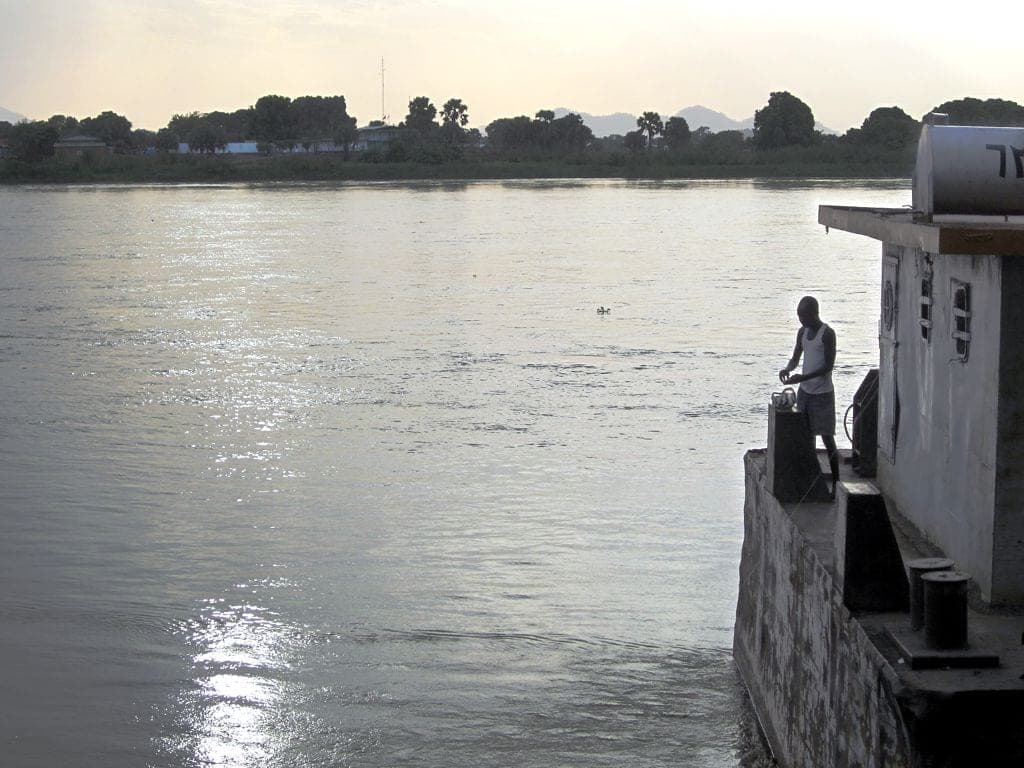
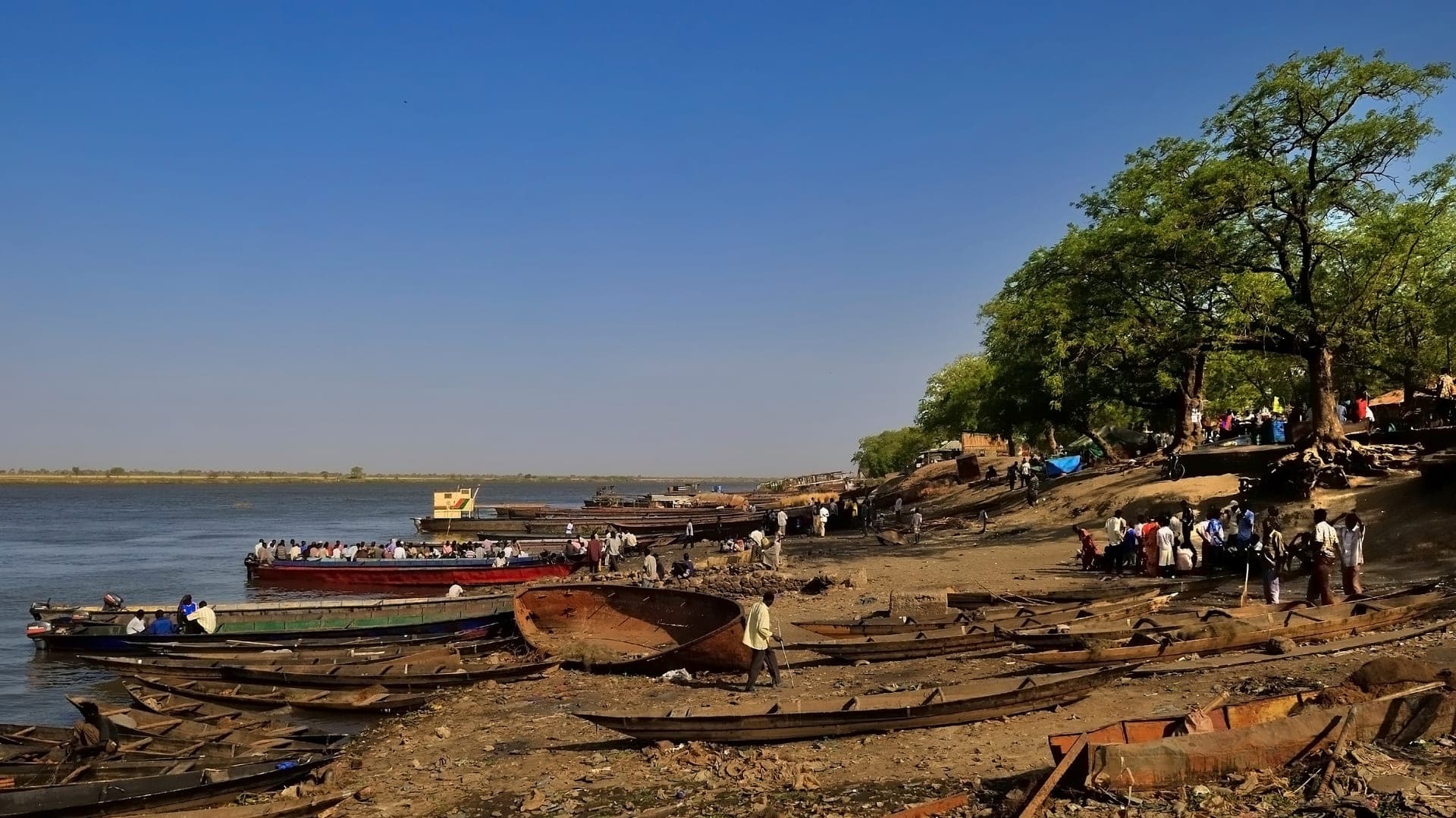
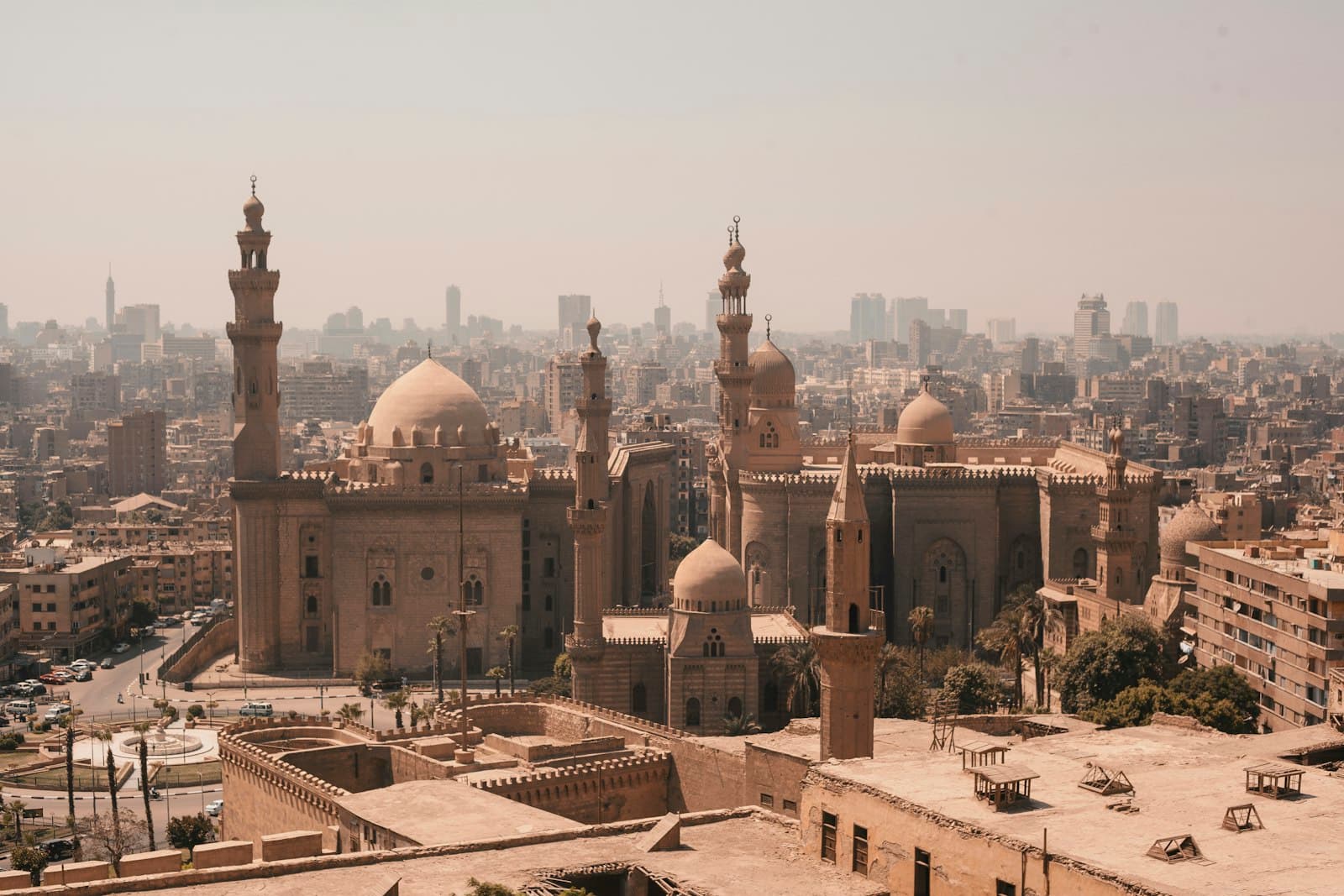
Photo by Umar Sheriff Habibullah (White Nile at Juba), CC BY-SA 4.0, via Wikimedia Commons
South SudanTourism
The world's youngest country, independent from Sudan only since 2011, South Sudan hosts one of the largest land-mammal migrations left on Earth across the Boma-Badingilo landscape — over a million white-eared kob on the move — even as its fragile 2018 peace settlement shows real strain heading toward a first-ever national election.
A country measured in horizons.
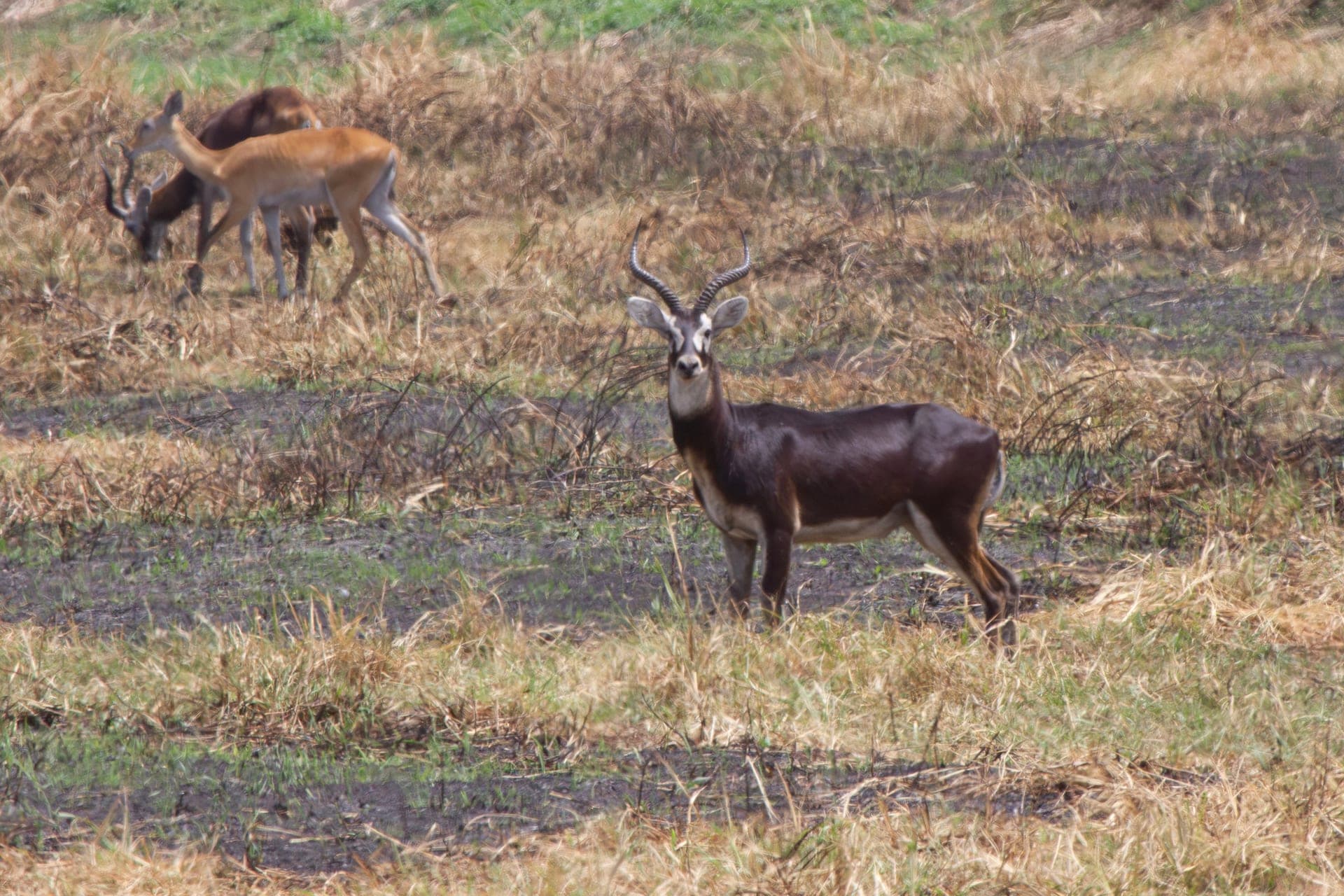
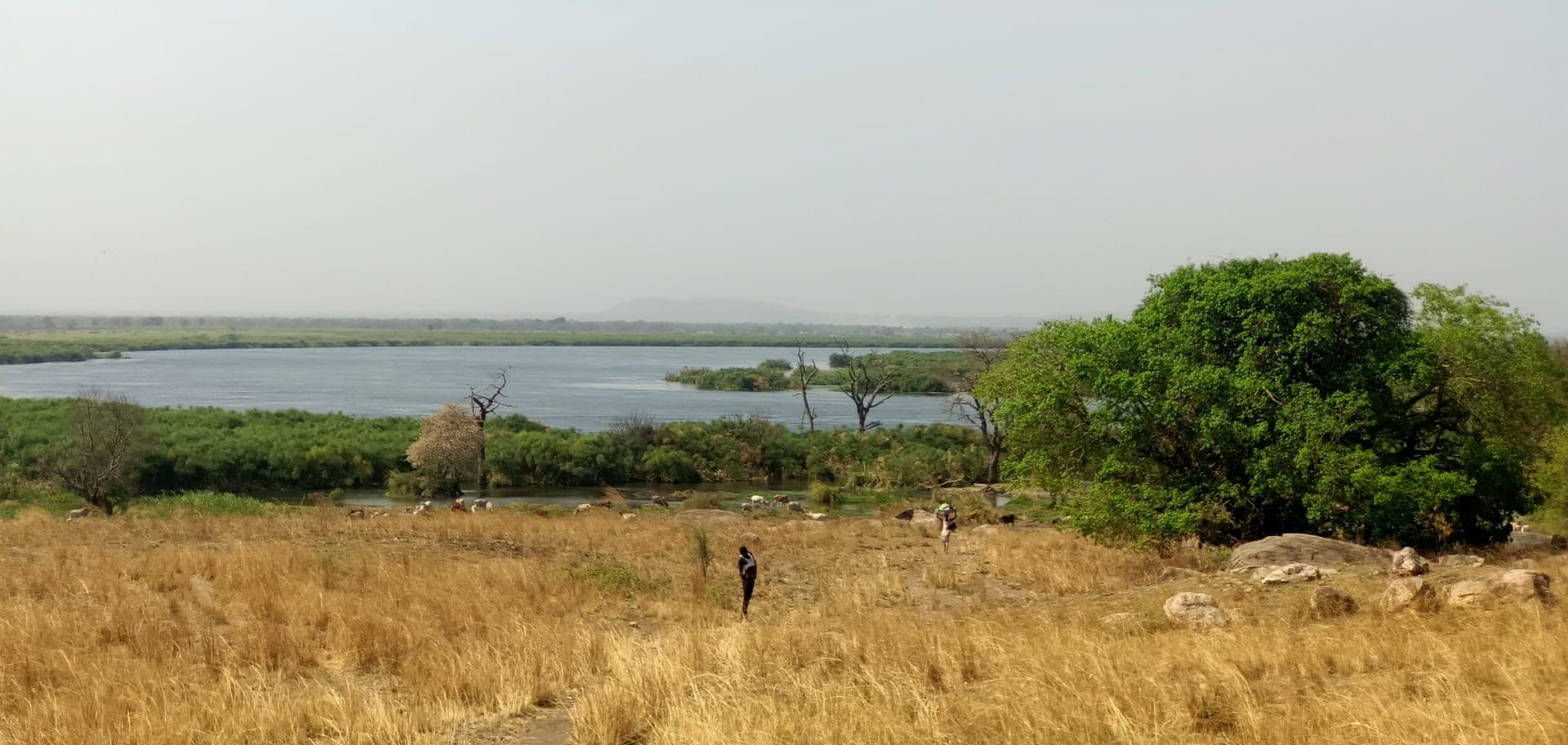
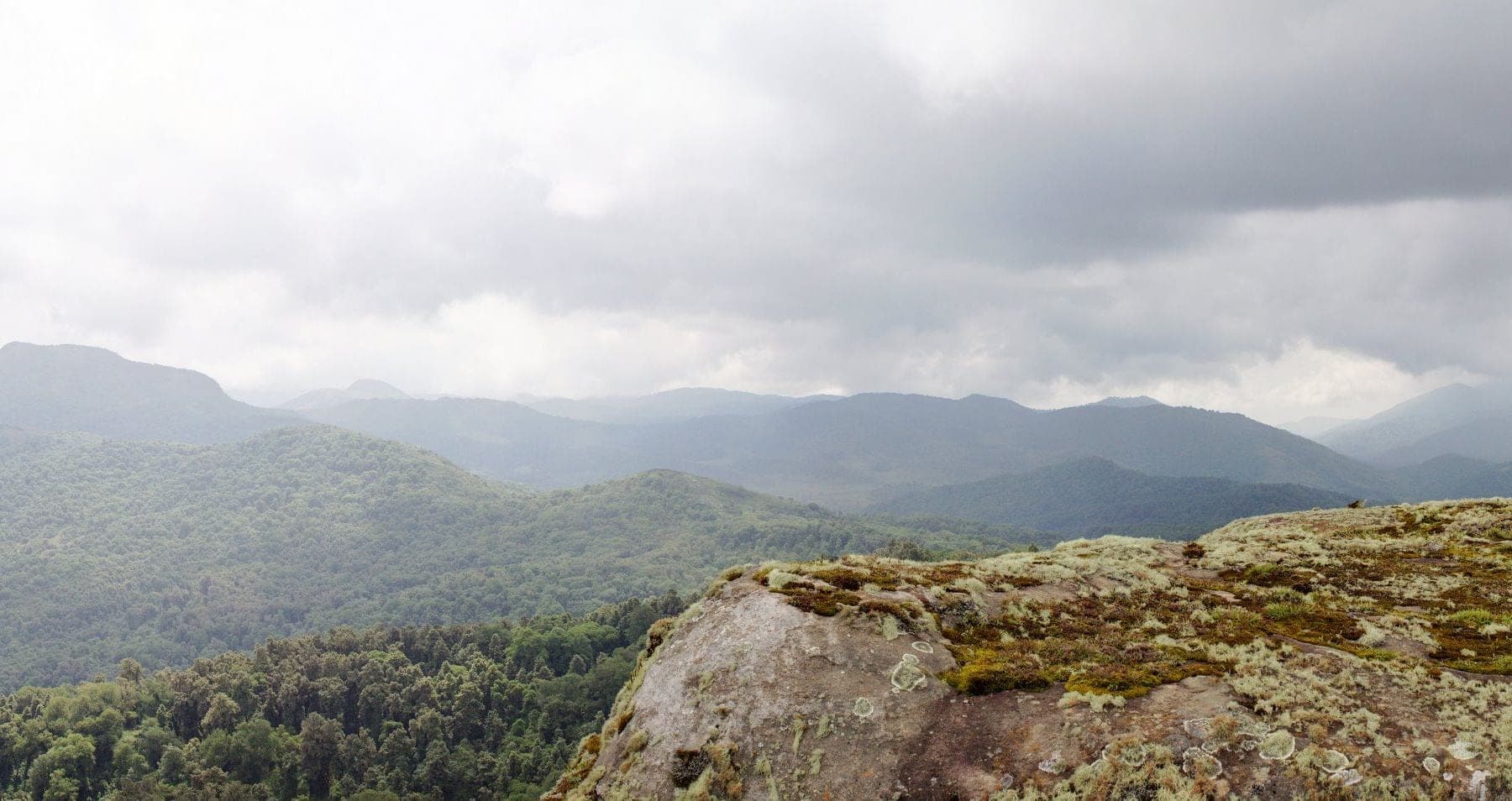
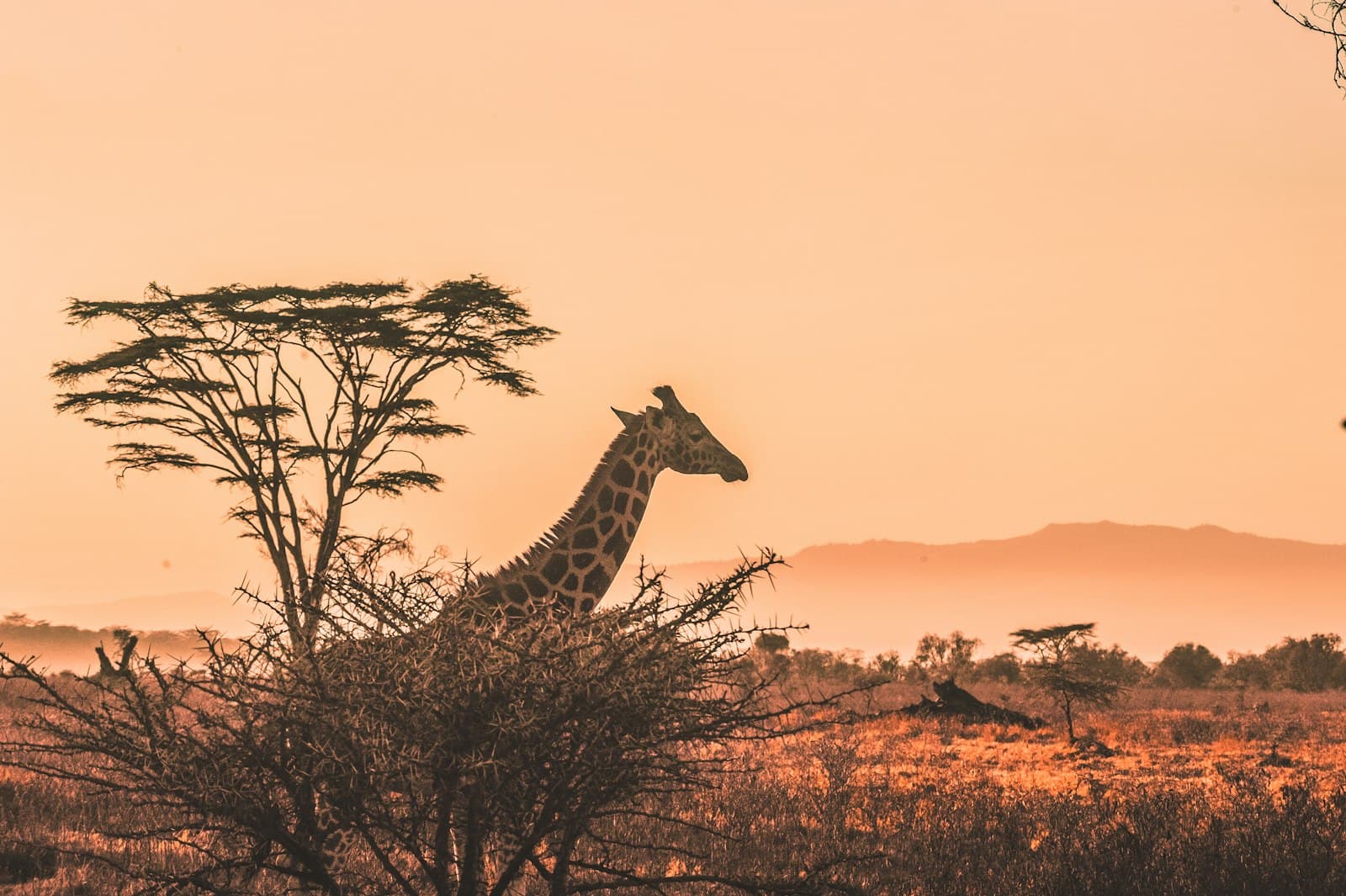
South Sudan's wildlife spectacle is one of the least-known great migrations anywhere: across the Boma-Badingilo landscape in the country's southeast, more than a million white-eared kob, roughly 180,000 tiang and some 300,000 Mongalla gazelle move seasonally between Boma National Park, Badingilo National Park and Ethiopia's Gambella region, a circuit driven by rain that rivals East Africa's more famous wildebeest migration in scale if not in visibility. African Parks signed a ten-year, renewable management agreement with the government in August 2022 to help restore Boma and Badingilo, working against bushmeat poaching pressure outside the parks' formal boundaries and elephant and giraffe populations still well below their 1980s survey baselines. Further west along the White Nile near the Uganda border, Nimule National Park is the one place in the country where elephants are reliably seen, alongside hippos, crocodiles, giraffes and buffalo; established in 1954 and reopened to the public in 2008 after the civil war, it continues to face poaching and agricultural encroachment pressure. In the Imatong Mountains of Eastern Equatoria, Mount Kinyeti — at 3,187 metres, South Sudan's highest peak — offers a niche three-to-four-day trek from the village of Katire, with local guides and a permit from the Ministry of Wildlife Conservation and Tourism's Torit office required; leopards, buffalo and elephant inhabit the surrounding forest reserve. In Juba itself, the John Garang Mausoleum marks both the burial site of the SPLA founder and the location where South Sudan's independence was proclaimed on 9 July 2011, though planned National Archives and museum projects nearby have stalled amid the country's ongoing instability. Malakal, the historic Upper Nile State capital on the White Nile, was heavily damaged during the 2013–2018 civil war and remains, per recent travel accounts, marked everywhere by 'checkpoints, curfews, heavy UN presence' — the last UN-run displacement camp there was formally handed to civilian administration only in February 2026.
South Sudan's fragile peace is under real strain as of mid-2026. First Vice President Riek Machar has been held under house arrest for roughly a year, since around March 2025, on charges of murder, treason and crimes against humanity tied to a March 2025 attack by the 'White Army' militia on a government base in Nasir, Upper Nile State; he remains formally First VP in title but 'unable to perform his duties,' and his party, SPLM-IO, has declared the landmark 2018 peace agreement defunct as a result. Machar denies the charges, and many outside observers describe the case as politically motivated — a vehicle for President Salva Kiir to consolidate power — though this framing is contested. Against this backdrop, South Sudan's National Elections Commission has set 22 December 2026 as the date for the country's first-ever national election, after five prior postponements dating back to 2015; the opposition National Parties Alliance has publicly called the timeline premature, and with the census, constitution and party registration all incomplete, whether the vote actually proceeds on schedule remains genuinely uncertain. Both Machar's detention status and the December election should be treated as live, fast-moving facts and re-verified close to any publication date rather than taken as settled. The US State Department rates South Sudan Level 4 — Do Not Travel (advisory reissued 17 May 2026), citing crime, unrest, kidnapping and hostage-taking, landmines and health risks; US government personnel serve under strict curfew and cannot be accompanied by family members.
South Sudan requires an advance e-visa for most nationalities via the official evisa.gov.ss portal, typically approved within two to five business days; there is generally no visa on arrival, though Kenyan, Tanzanian, Ugandan and Egyptian citizens can enter visa-free for up to 90 days, and Rwandan and Burundian nationals receive visa on arrival in Juba. A passport valid at least six months and proof of yellow fever vaccination are required, and some sources also expect proof of accommodation or onward travel. The country has a tropical climate with a wet season running roughly April to October or November (heaviest rain June–September) and a dry season from December to March; the dry season, particularly November through March, is also the recommended window for trekking Mount Kinyeti, offering better road access and lower flood and malaria risk — though this is climate guidance only, set against the current Do Not Travel advisory rather than any endorsement of leisure travel.
Practical info.
Climate
Best time: Dec–Mar (dry season, better road access) — climate guidance only, set against the current Do Not Travel advisory.
Visa & entry
Advance e-visa required for most nationalities (evisa.gov.ss); regional exemptions for a few neighboring countries. South Sudan requires an e-visa in advance for most nationalities via evisa.gov.ss, typically approved within 2–5 business days; there is generally no visa on arrival. Citizens of Kenya, Tanzania, Uganda and Egypt can enter visa-free for up to 90 days, and Rwandan and Burundian nationals get visa on arrival in Juba. A passport valid 6+ months and proof of yellow fever vaccination are required. The US State Department rates South Sudan Level 4 — Do Not Travel, citing crime, unrest, kidnapping, landmines and health risks.
Money
South Sudanese pound (SSP). Mobile money is widely accepted; carry some cash for rural travel.
Safety & health
Anti-malarial cover for low-elevation regions; standard travel insurance recommended.
How is South Sudan measured?
Tourism is the story; data is the context. Health, population, economy and climate indicators across South Sudan — sourced from the World Bank, WHO and UNICEF.
See South Sudan in numbers