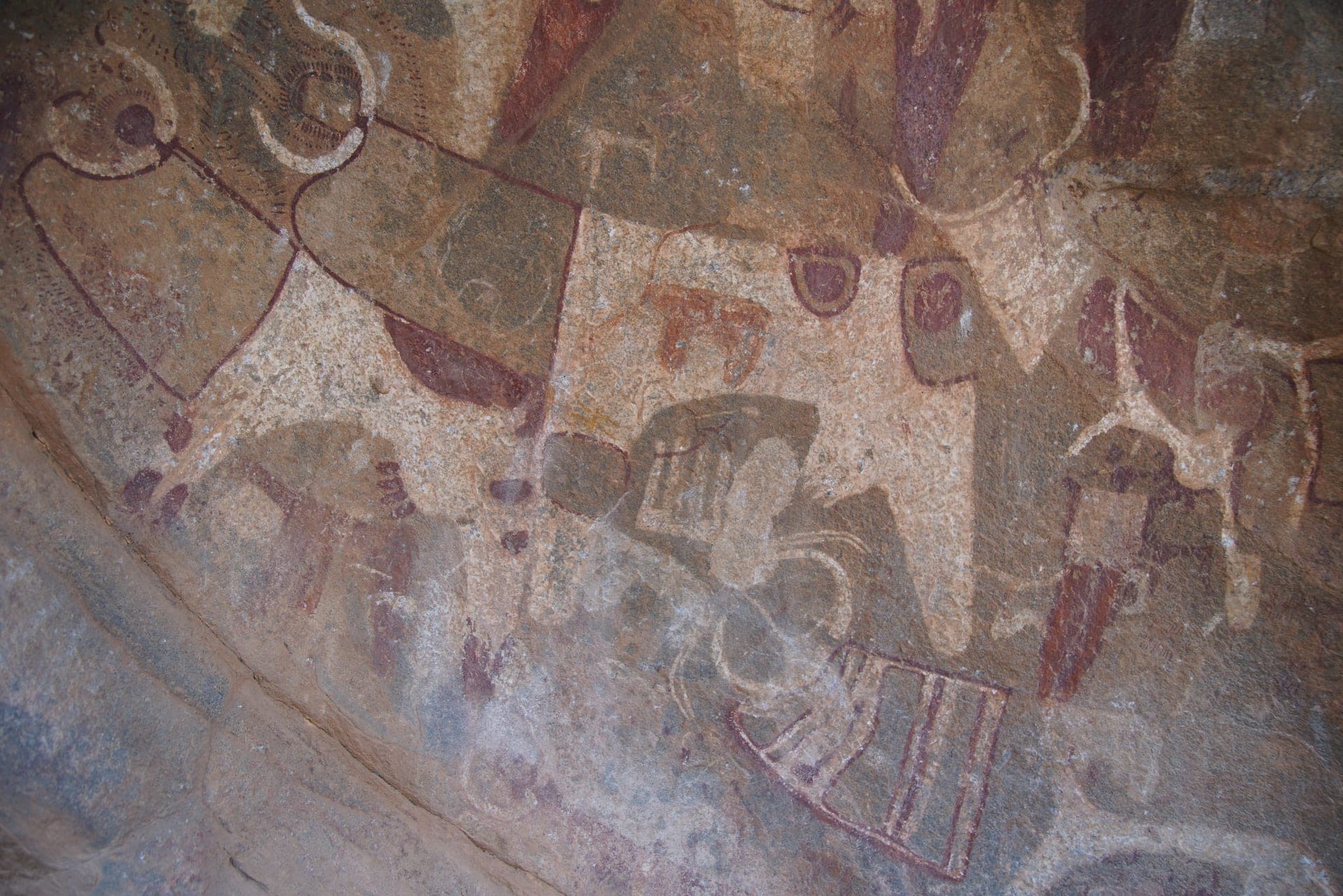
Photo by John Pavelka (entrance to Laas Geel, Somaliland), CC BY 2.0, via Wikimedia Commons
SomaliaTourism
Somalia is really two travel stories in one country: a federal south still gripped by al-Shabaab insurgency and a 2026 political crisis in Mogadishu, and a self-governing northwest, Somaliland, that has run its own passport, currency and visa system since 1991 and holds one of Africa's finest collections of Neolithic rock art at Laas Geel.
A country measured in horizons.
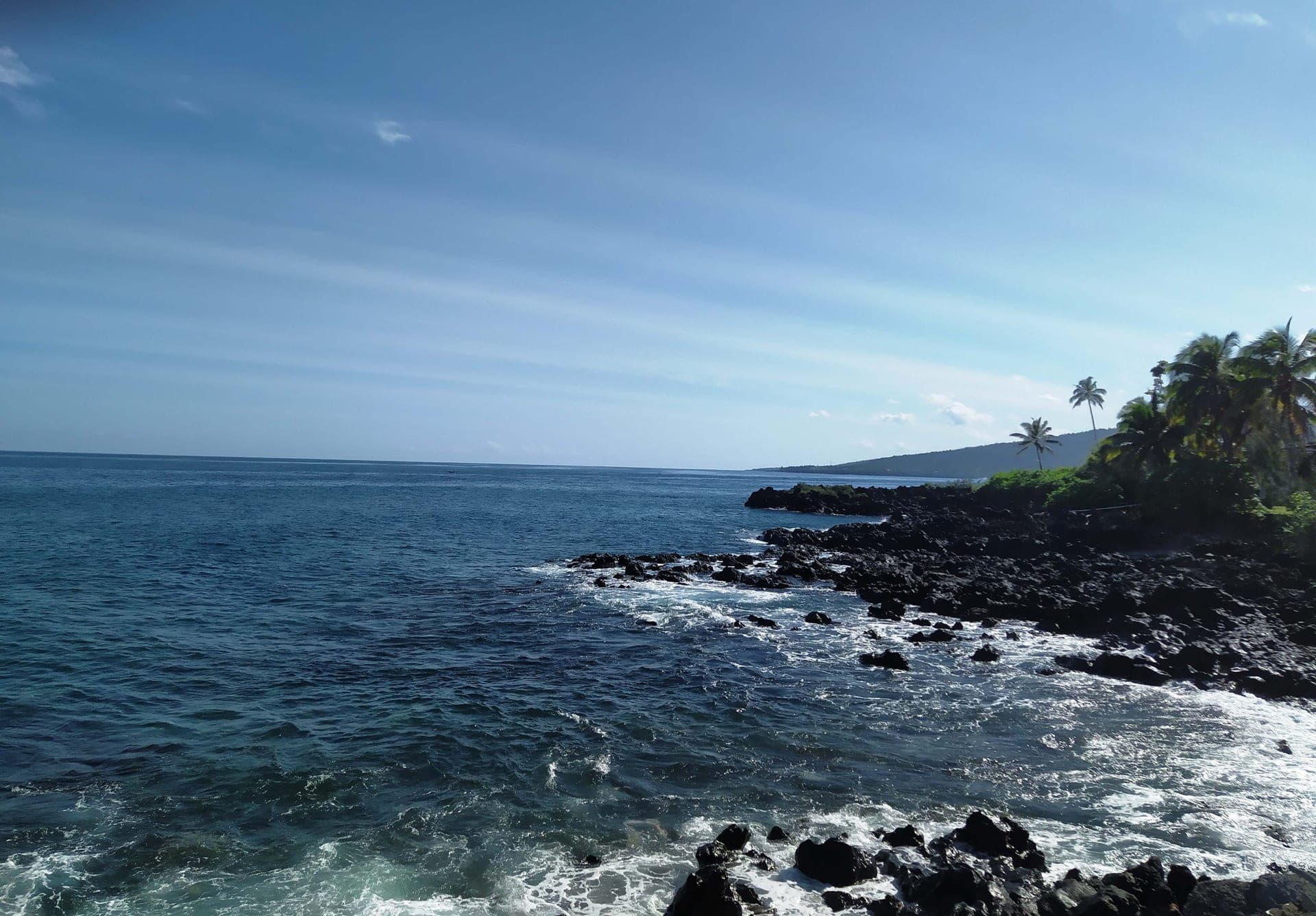
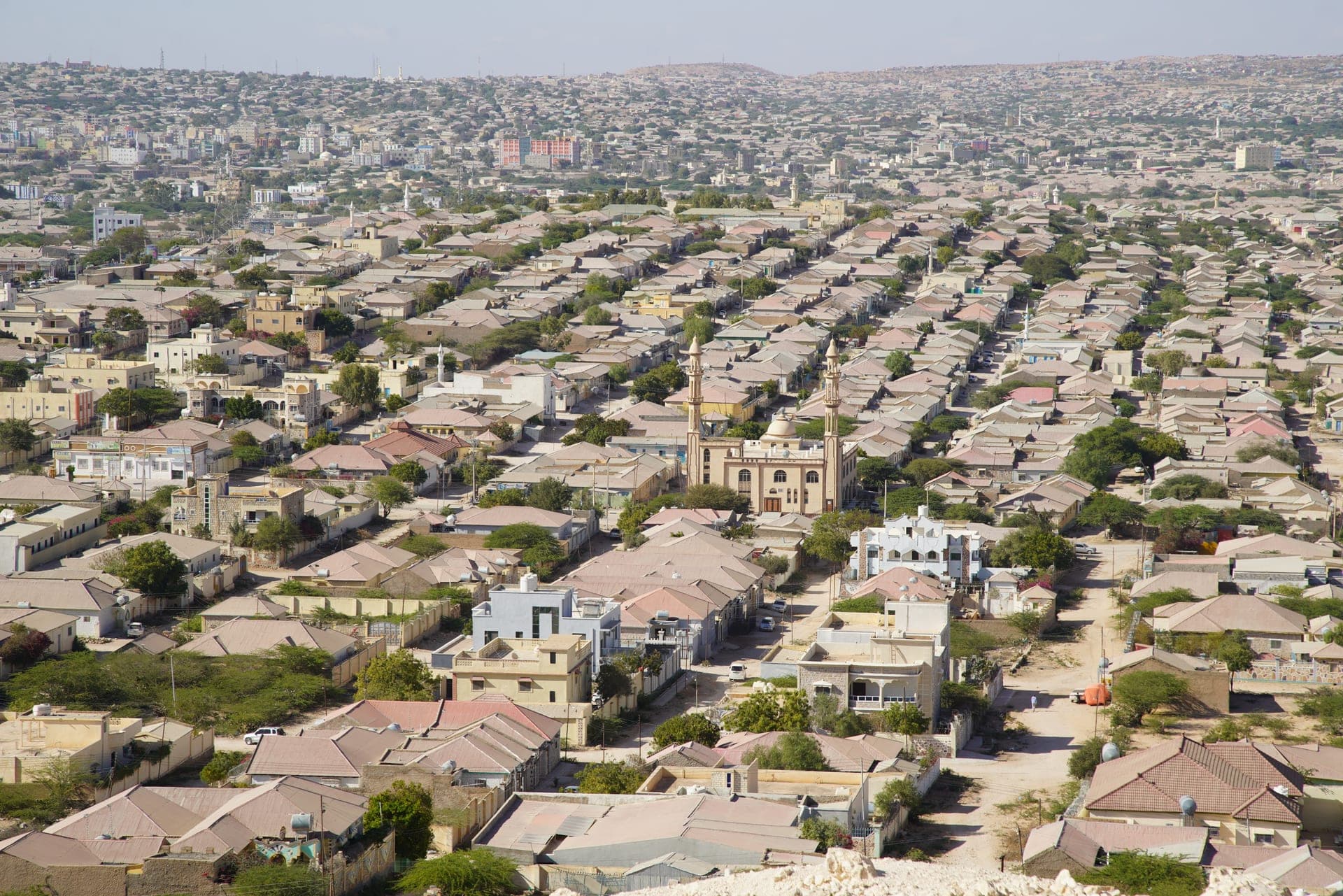
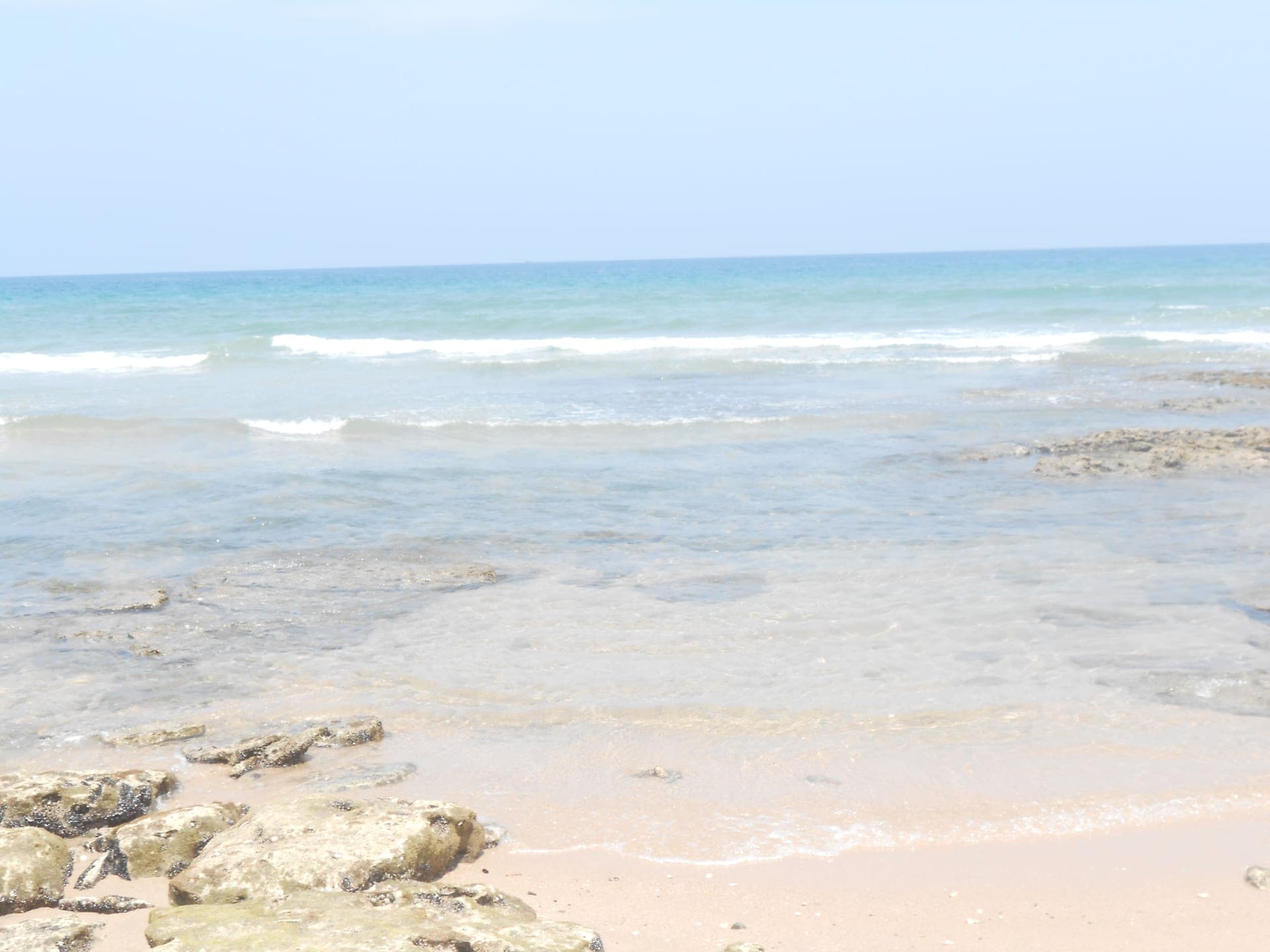
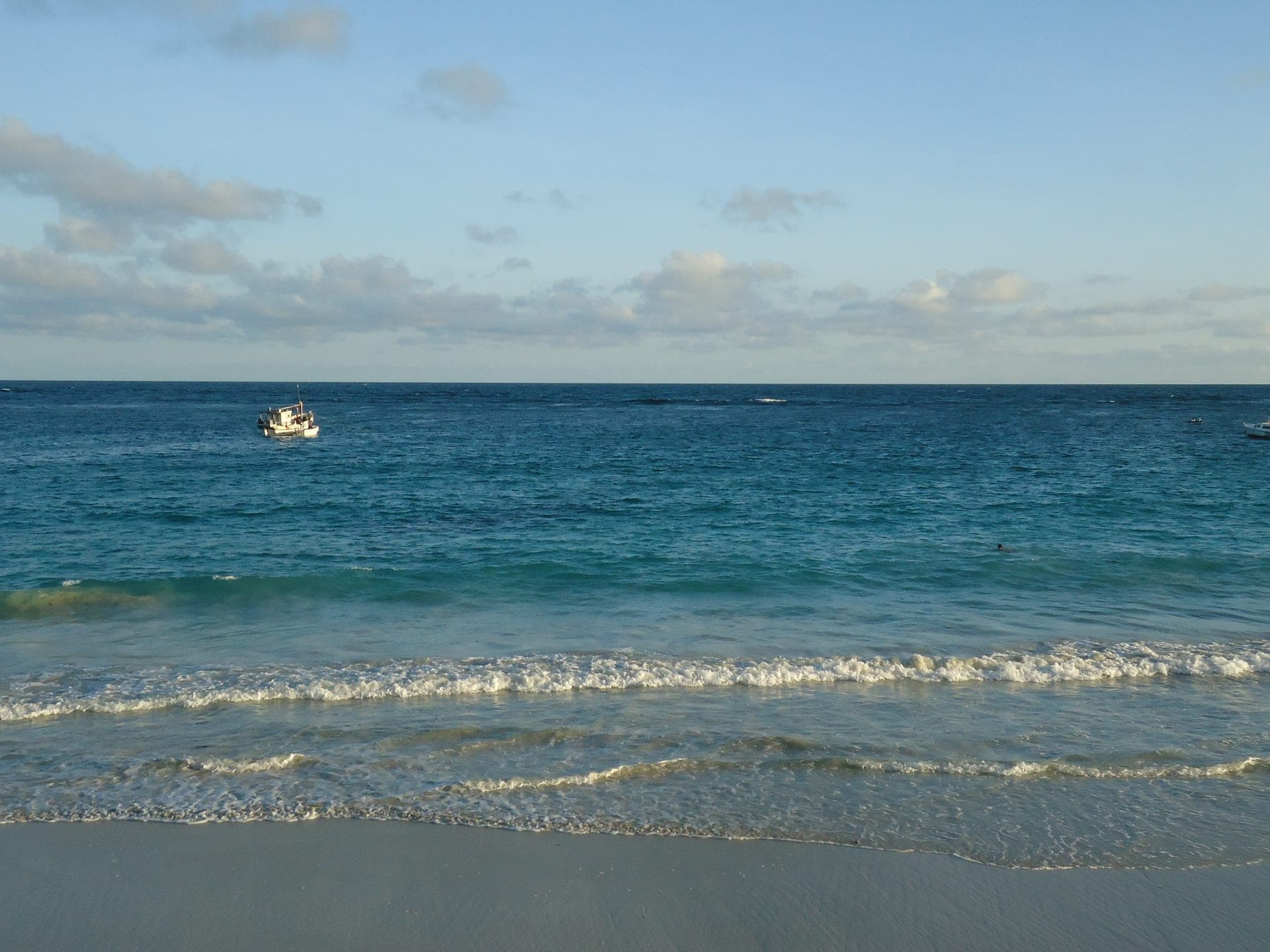
Somaliland's Laas Geel, roughly an hour's drive from Hargeisa, ranks among Africa's best-preserved rock art sites: panels of painted cattle, herders and wildlife dated to around 5,000 years old (some estimates run considerably older) survive in remarkable color and detail across a cluster of granite rock shelters. It's visited as an organized day trip from Hargeisa with a mandatory armed police escort — standard practice for tourism anywhere in Somaliland, not a sign of unusual danger at the site itself. On the coast, Berbera, Somaliland's historic Red Sea port, has seen roughly USD 450 million invested by DP World since 2021 in a port modernization project — now operating at around a quarter of its eventual capacity, with plans to double the port's size once utilization reaches 75% — alongside a genuine, if small, beach-tourism draw. In federal Somalia to the south, Mogadishu's Lido Beach remains a popular local and visitor destination for its white sand and turquoise water despite recurring security incidents nearby, and the ruined Mogadishu Cathedral, though not open for general tourist access, stands as a visible landmark of the city's more cosmopolitan pre-civil-war past; specialized, security-escorted tour operators report a small but growing trickle of international visitors, roughly 10,000 in 2024, mostly on tightly managed itineraries. Further south, the port city of Kismayo, in the semi-autonomous Jubaland region, remains an active al-Shabaab contest zone rather than a tourism prospect as of 2026.
Somalia's governance is genuinely split, not merely unstable. The internationally recognized Federal Government of Somalia, based in Mogadishu, has faced a serious crisis in 2026: President Hassan Sheikh Mohamud's term was due to end in May 2026, and disputed constitutional amendments and a redrawn federal map, widely read as moves to extend his rule, triggered the worst urban unrest the capital has seen in over a decade, including heavy fighting in Mogadishu itself. Al-Shabaab has been resurgent since recapturing the towns of Sabiid and Anole in July 2025, now holding a 'strategic triangle' of territory in central Somalia and threatening Mogadishu directly, despite ongoing US and Somali/Jubaland counter-terror operations. In the northwest, Somaliland has functioned as a de facto independent state since declaring independence from Somalia in 1991, with its own president (Abdirahman Mohamed Abdullahi, elected November 2024 with 64% of the vote), parliament, currency and passport — but it remains unrecognized as sovereign by the overwhelming majority of the international community. That changed in one notable respect on 26 December 2025, when Israel became the first UN member state to formally recognize Somaliland's sovereignty, an unresolved and contested move: the African Union rejected it and reaffirmed Somalia's territorial integrity, Somalia, Egypt, Turkey and Djibouti condemned it, and the US, EU and UAE have not followed suit as of this writing. This should be read as a live diplomatic development, not a settled change in Somaliland's status. Puntland, a third, semi-autonomous region in the northeast, has also seen rising tension with the federal government, including a failed 2026 attempt by Mogadishu to militarily remove Jubaland's regional president. The US State Department's Level 4 — Do Not Travel advisory (renewed 21 May 2026) covers the whole country as a single blanket rating, Somaliland included, citing crime, kidnapping, terrorism, unrest, piracy and landmines — though on-the-ground and travel-industry reporting consistently describes Somaliland as comparatively calmer than the federal south.
Because Somalia and Somaliland are governed separately, they run genuinely separate visa systems, and this is worth understanding before booking anything. Federal Somalia requires a mandatory eVisa (evisa.gov.so), launched in August 2025, at roughly USD 60–65 with 7–10 business days' processing, and visa-on-arrival has been discontinued at federal airports including Mogadishu. Somaliland, by contrast, operates its own independent visa-on-arrival system at Hargeisa Egal International Airport and Berbera International Airport, available to essentially all nationalities on presentation of a passport valid six months or more, a return ticket, and proof of funds and accommodation (Somali diaspora travelers are exempt from the return-ticket and funds requirements). Critically, Somalia's federal eVisa is not honored at Somaliland's entry points, and this caused real traveler confusion in late 2025; airlines including flydubai and Ethiopian Airlines now generally accept Somaliland's visa-on-arrival for boarding despite the two systems' formal disconnect. Somalia and Somaliland follow four broad seasons — Jilaal (December–March, warm and dry), Gu (mid-March–June, main rains), Xagaa (July–mid-September, cooler and dry) and Dayr (mid-September–November, secondary rains) — and December through February or March, the cool dry season, is generally the most comfortable window for both Mogadishu and Somaliland, including for visiting Laas Geel.
Practical info.
Climate
Best time: Dec–Feb/Mar (Jilaal, the cool dry season) across both federal Somalia and Somaliland.
Visa & entry
Two separate systems: federal eVisa (Mogadishu, ~USD 60-65) vs. Somaliland visa-on-arrival (Hargeisa/Berbera) — not interchangeable. Federal Somalia requires a mandatory eVisa via evisa.gov.so (~USD 60-65, 7-10 business days); visa-on-arrival has been discontinued at federal airports. Somaliland, in the self-governing northwest, runs its own independent visa-on-arrival system at Hargeisa and Berbera airports, open to most nationalities. The two systems are not interchangeable — a federal eVisa is not honored at Somaliland entry points. The US State Department rates the whole country, Somaliland included, Level 4 — Do Not Travel, though Somaliland is widely reported as comparatively calmer than federal Somalia's south.
Money
Somali shilling (SOS); Somaliland issues its own separate Somaliland shilling. Mobile money is widely accepted; carry some cash for rural travel.
Safety & health
Anti-malarial cover for low-elevation regions; standard travel insurance recommended.
How is Somalia measured?
Tourism is the story; data is the context. Health, population, economy and climate indicators across Somalia — sourced from the World Bank, WHO and UNICEF.
See Somalia in numbers