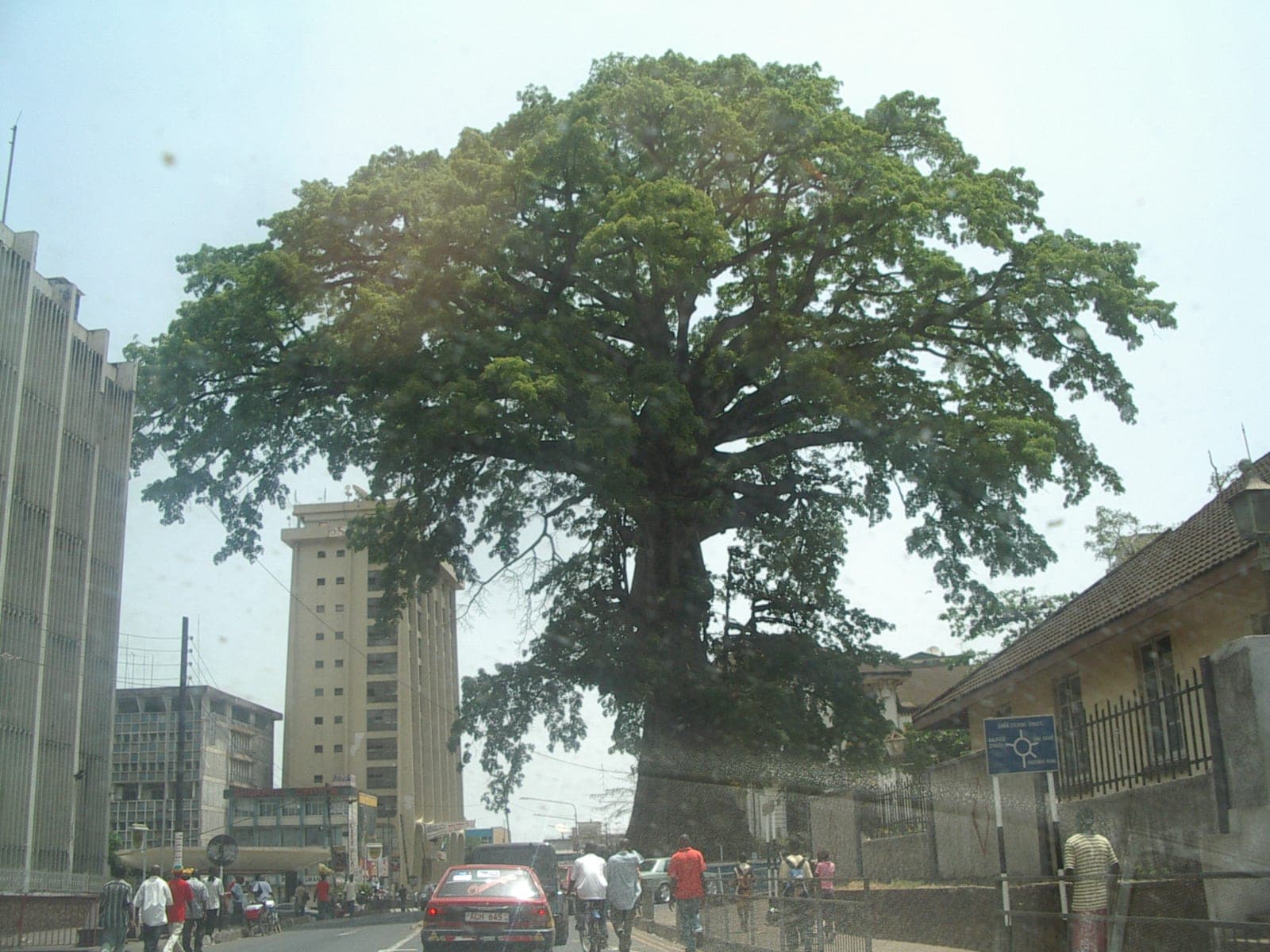
 Photo by Christian Trede, CC BY-SA 2.0 DE, via Wikimedia Commons
Sierra LeoneTourism
Named for the lion-shaped mountains above its Atlantic harbour, Sierra Leone runs from the Cotton Tree at the heart of Freetown — planted, tradition holds, by freed slaves who founded the city in 1792 — out to chimpanzee sanctuaries, rainforest reserves, and a slave-trade fort at the mouth of the harbour.
A country measured in horizons.
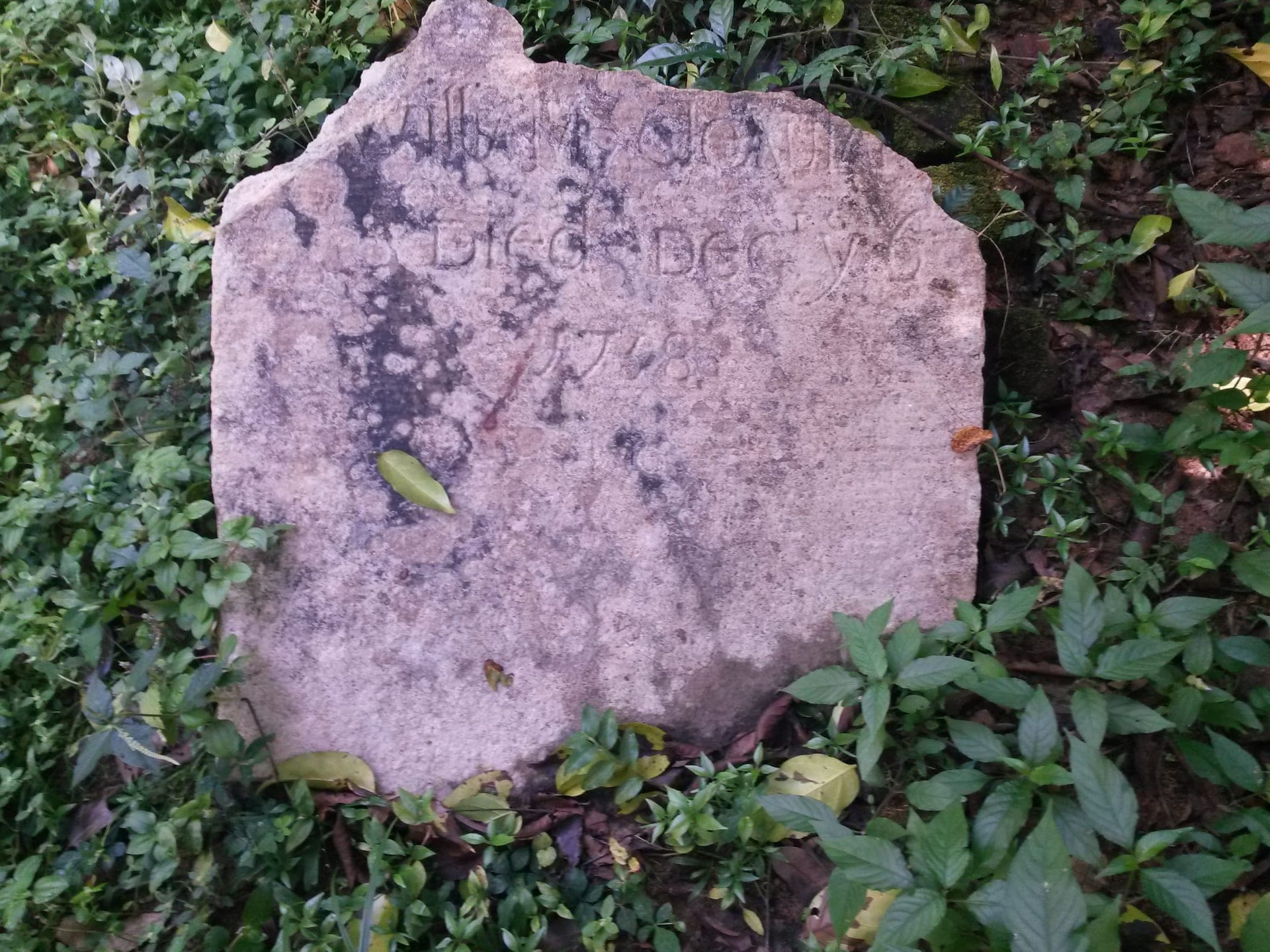
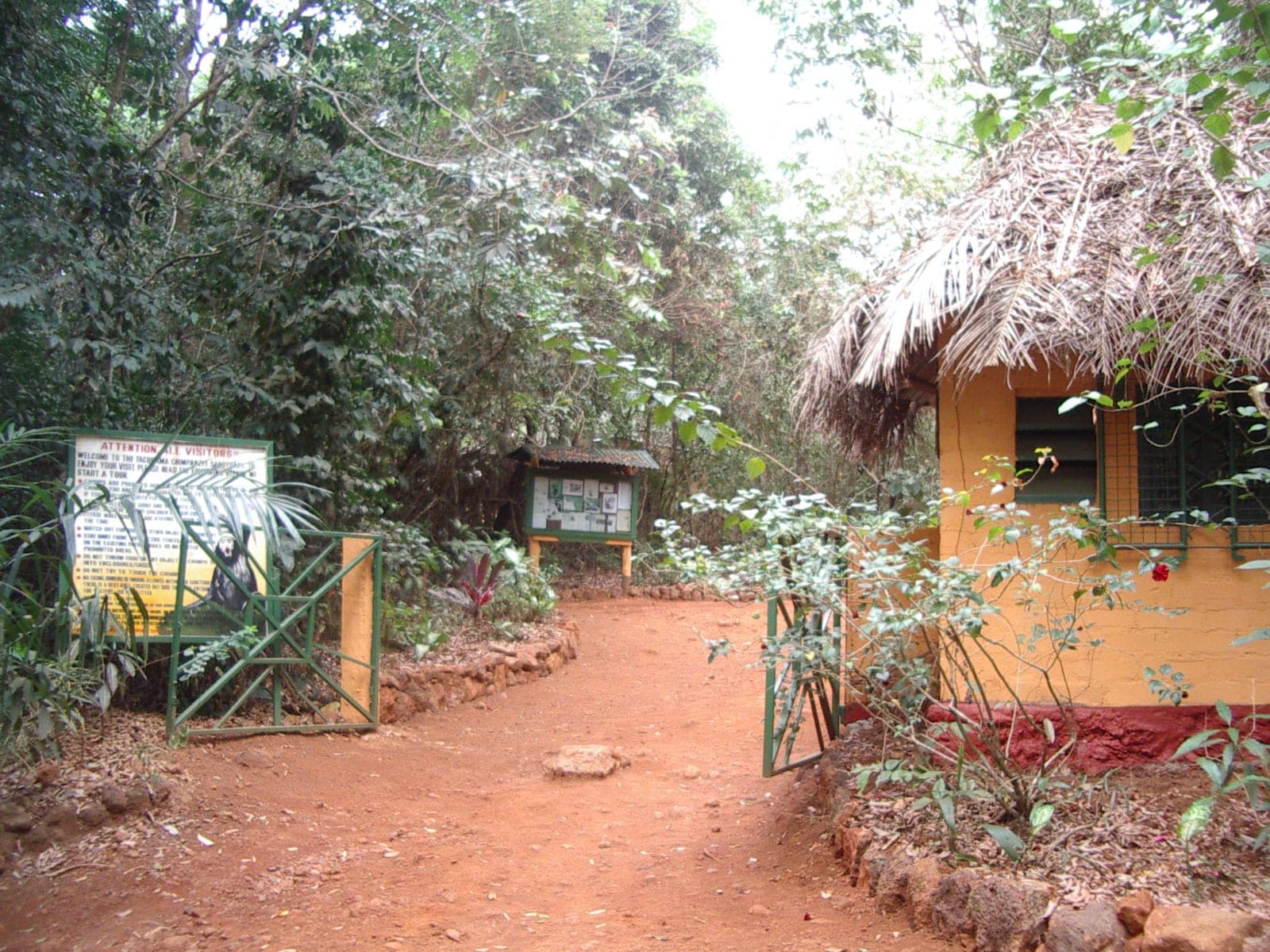
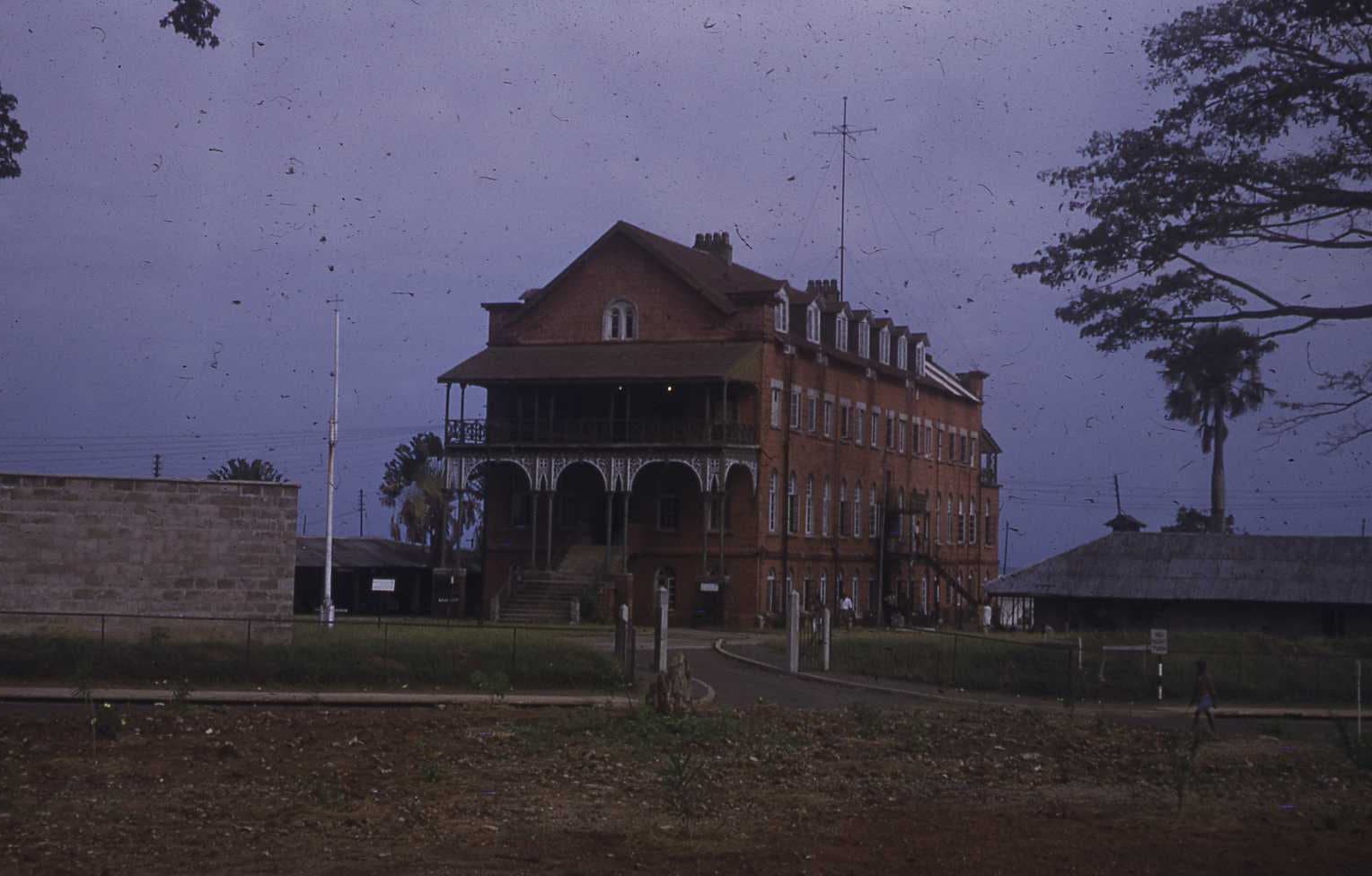
Sierra Leone's Freetown Peninsula is one of the most dramatic landfalls on the West African coast, its forested hills — the 'lion mountains' Portuguese sailors named Serra Lyoa — rising straight from a natural harbour that made Freetown a Royal Navy base for intercepting slave ships after Britain abolished the trade in 1807. The city was founded in 1792 by the Sierra Leone Company as a settlement for freed and formerly enslaved Black Britons, Nova Scotians, and Jamaican Maroons, and its symbolic centre remains the Cotton Tree, a giant silk-cotton tree in the middle of downtown said to mark the spot where the first settlers held a thanksgiving service. Fifteen minutes upriver by boat, Bunce Island held one of the largest British slave-trading forts on the West African coast, from where tens of thousands of captives — many taken specifically for their rice-growing skills — were shipped to the Carolina and Georgia low country; its ruins, gravestones, and cannon remain largely as they were left. Inland, the Gola Rainforest and Outamba-Kilimi National Park protect the country's last significant tracts of primary forest and savanna woodland, home to forest elephants, pygmy hippos, and chimpanzees, while Tacugama Chimpanzee Sanctuary in the hills above Freetown rehabilitates orphaned and rescued western chimpanzees, one of the country's most visited conservation sites.
Sierra Leone's post-independence history (from Britain in 1961) was scarred by an 11-year civil war (1991–2002) fuelled by control of the country's diamond fields — the conflict that gave the world the term 'blood diamonds' and drew in the Revolutionary United Front and, at various points, British and UN peacekeeping intervention. The country stabilised into a functioning multiparty democracy after 2002 and has held several peaceful transfers of power since, including President Julius Maada Bio's re-election in 2023; Bio was elected chair of the ECOWAS Authority in 2026. Sierra Leone was also the country hit hardest per capita by the 2014–2016 West African Ebola epidemic, a crisis that reshaped its public health system and is still referenced in the country's tourism recovery narrative.
Most travellers arrive at Freetown's Lungi International Airport, across the estuary from the city (a ferry, water taxi, or helicopter connects the two). Sierra Leone requires a visa for nearly all nationalities — an eVisa introduced in 2019 covers most visitors for a 30-day single-entry stay, and ECOWAS citizens travel visa-free; a yellow fever certificate and 6-month passport validity are required, plus a USD 25 airport security fee payable online or on arrival. The dry season from November to April is the easiest and most popular window; the rainy season from May to October, especially July and August, brings heavy downpours. The US State Department currently rates Sierra Leone Level 2 (Exercise Increased Caution), citing crime, with the country otherwise politically stable and the Freetown Peninsula, Tacugama, and Bunce Island firmly on the accessible tourist circuit.
Practical info.
Climate
Best time: November–April (dry season); heaviest rains July–August.
Visa & entry
eVisa or visa on arrival required for most nationalities; ECOWAS citizens visa-free. Sierra Leone's eVisa (introduced 2019) covers most nationalities for a 30-day single-entry stay, typically processed in 3–5 business days; visa on arrival is also available for many Western nationalities. ECOWAS citizens travel visa-free for up to 90 days. Passport valid 6+ months, a yellow fever certificate, and a USD 25 airport security fee (payable online or on arrival) are required. US State Department rates Sierra Leone Level 2 (Exercise Increased Caution) as of 2026, citing crime; the country is otherwise politically stable.
Money
Sierra Leonean leone (SLE). Mobile money is widely accepted; carry some cash for rural travel.
Safety & health
Anti-malarial cover for low-elevation regions; standard travel insurance recommended.
How is Sierra Leone measured?
Tourism is the story; data is the context. Health, population, economy and climate indicators across Sierra Leone — sourced from the World Bank, WHO and UNICEF.
See Sierra Leone in numbers