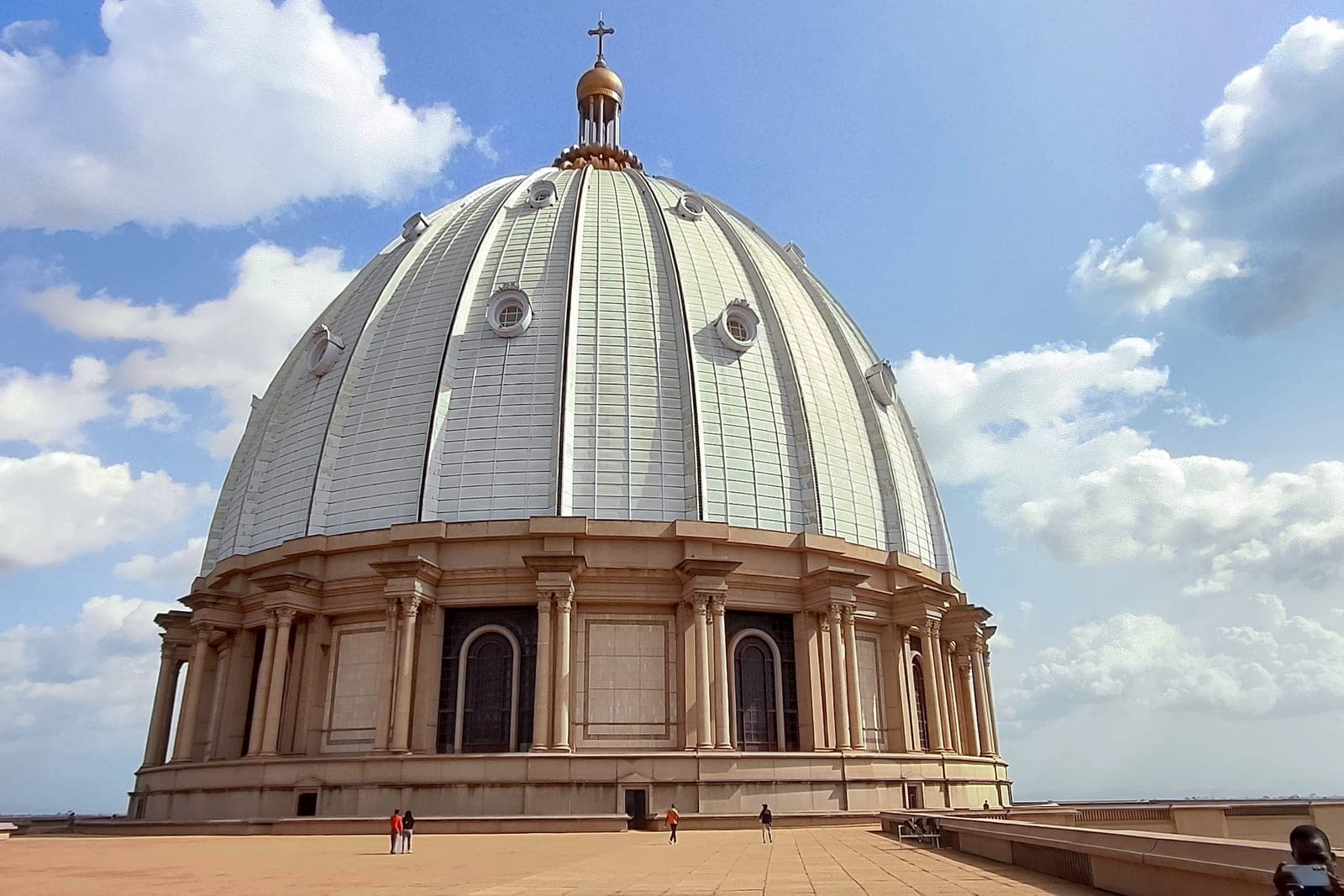
Photo by Mohamed Natti, CC BY-SA 4.0, via Wikimedia Commons
MauritaniaTourism
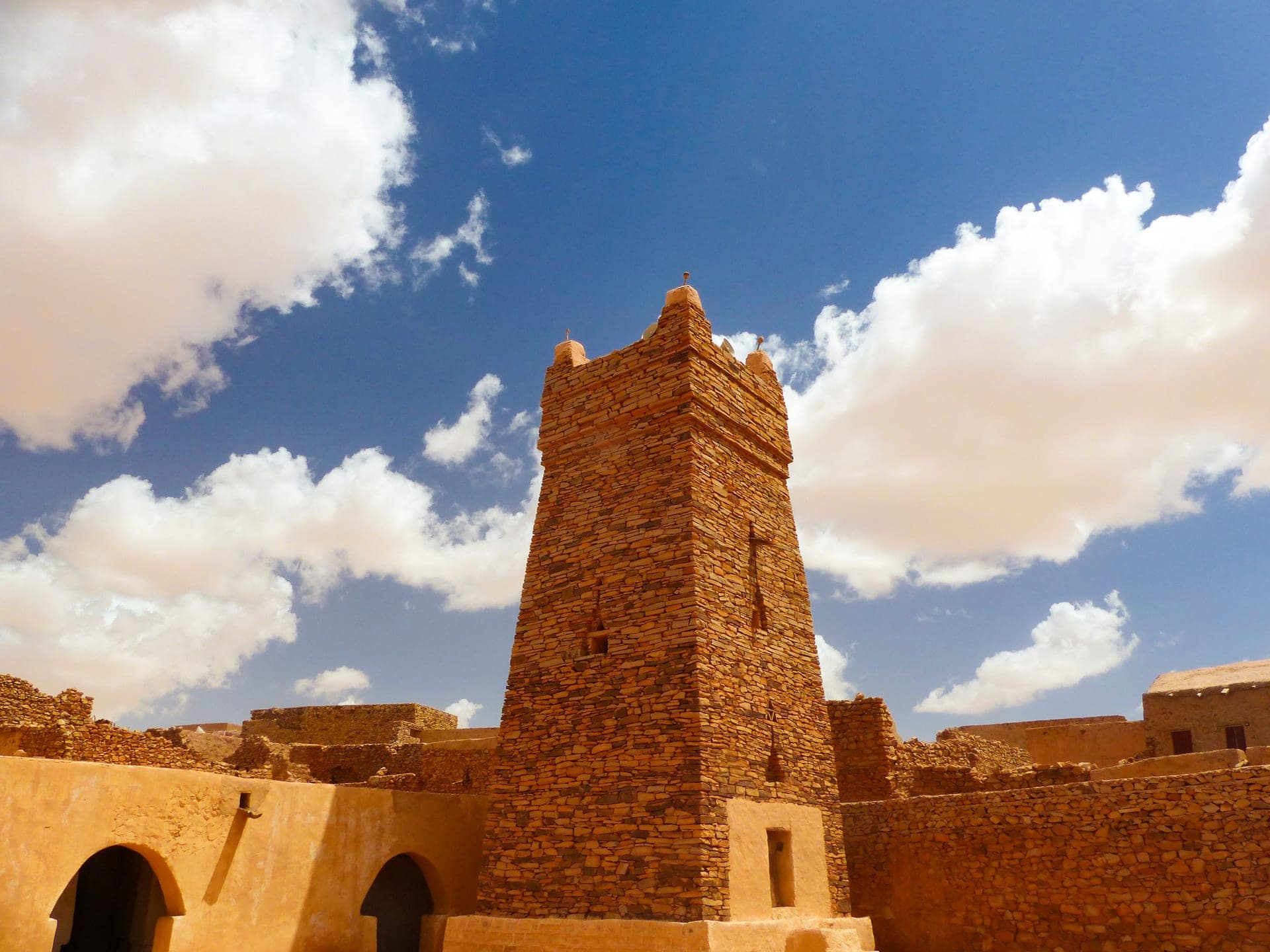
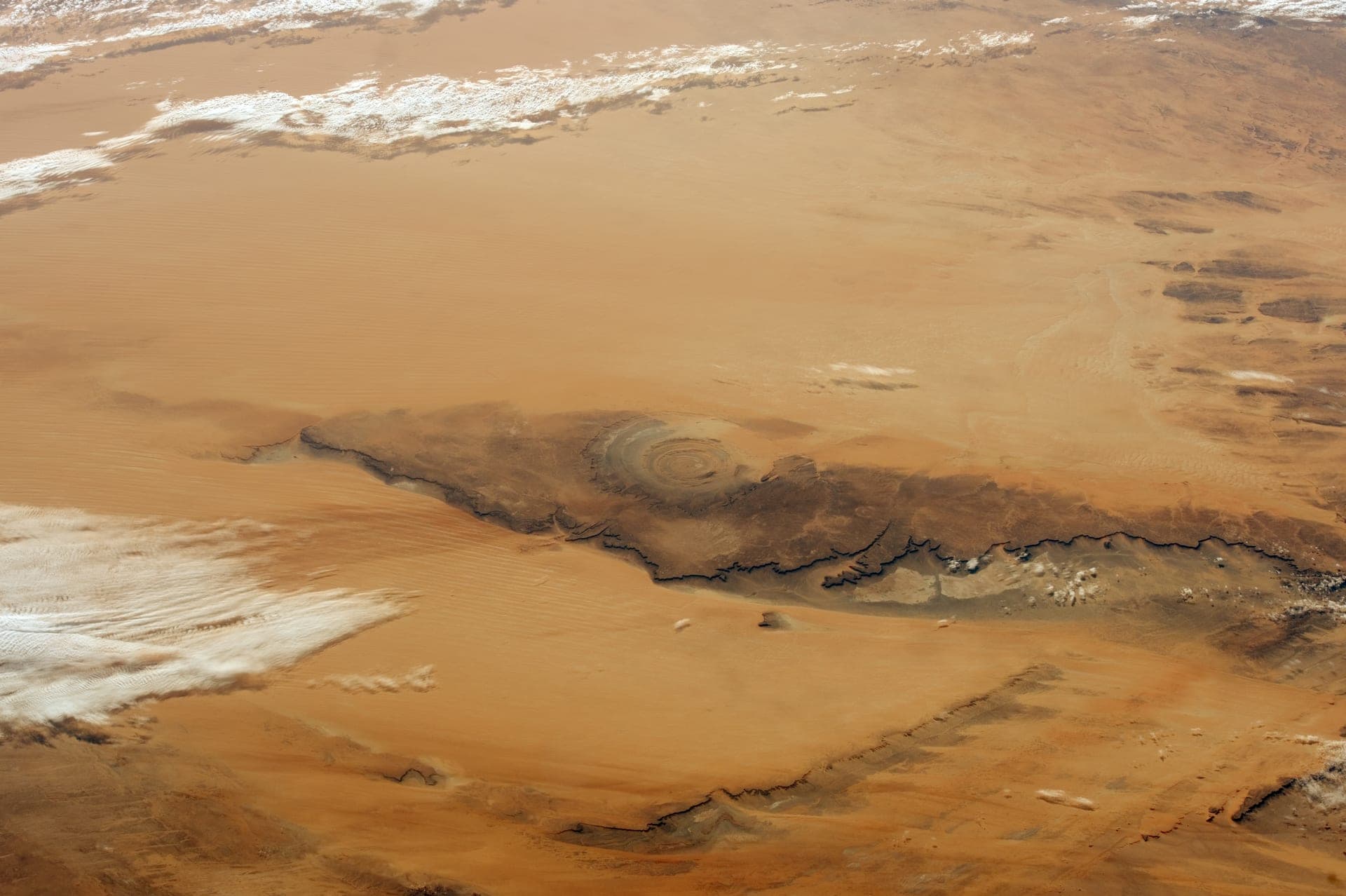
Mauritania sits at the hinge of the Maghreb and West Africa — Chinguetti's stone minaret and manuscript libraries anchoring the old trans-Saharan caravan route, the Richat Structure's 40-kilometre bullseye visible from orbit, and the Banc d'Arguin's tidal flats hosting millions of migratory shorebirds.
A country measured in horizons.
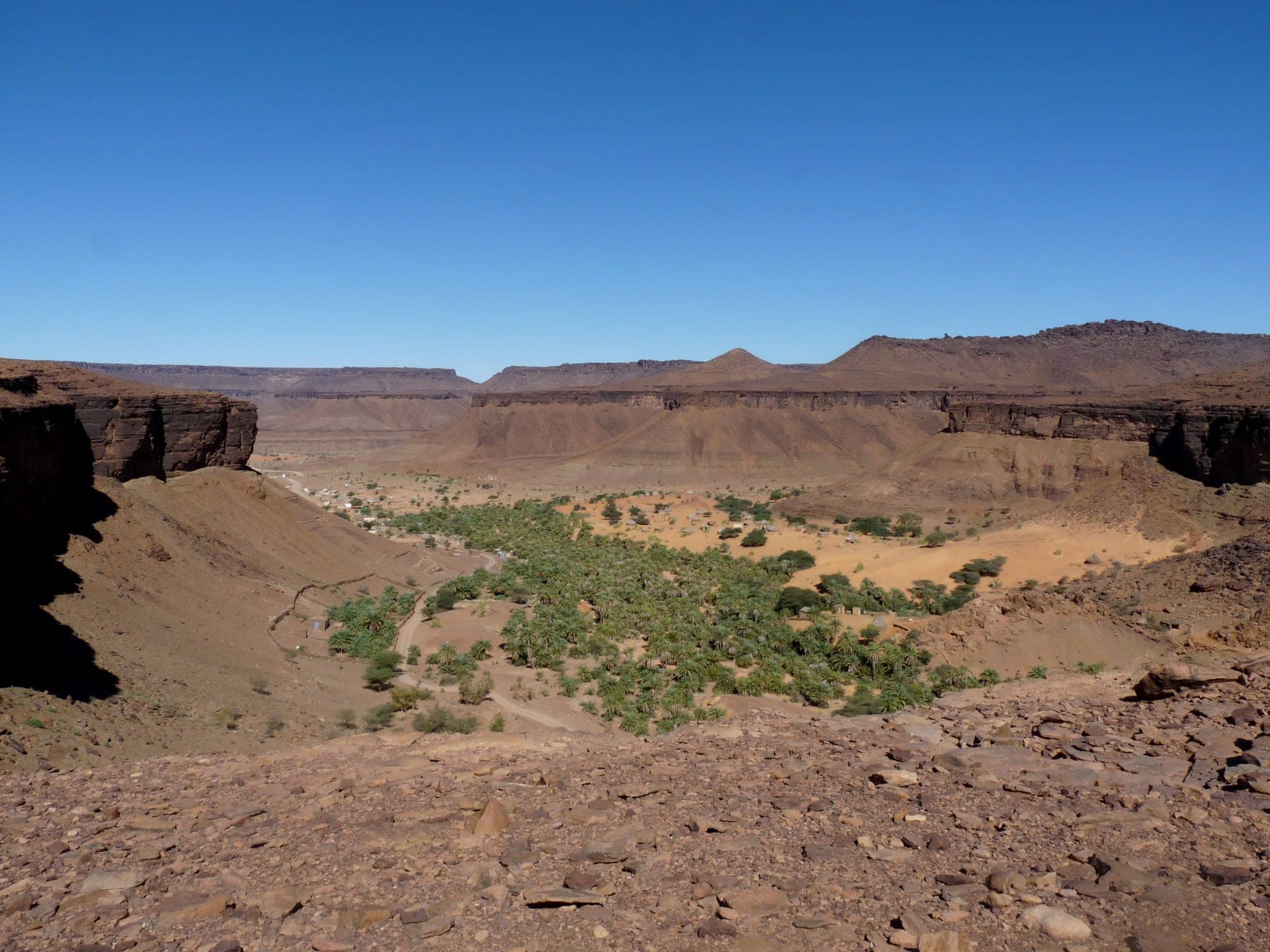
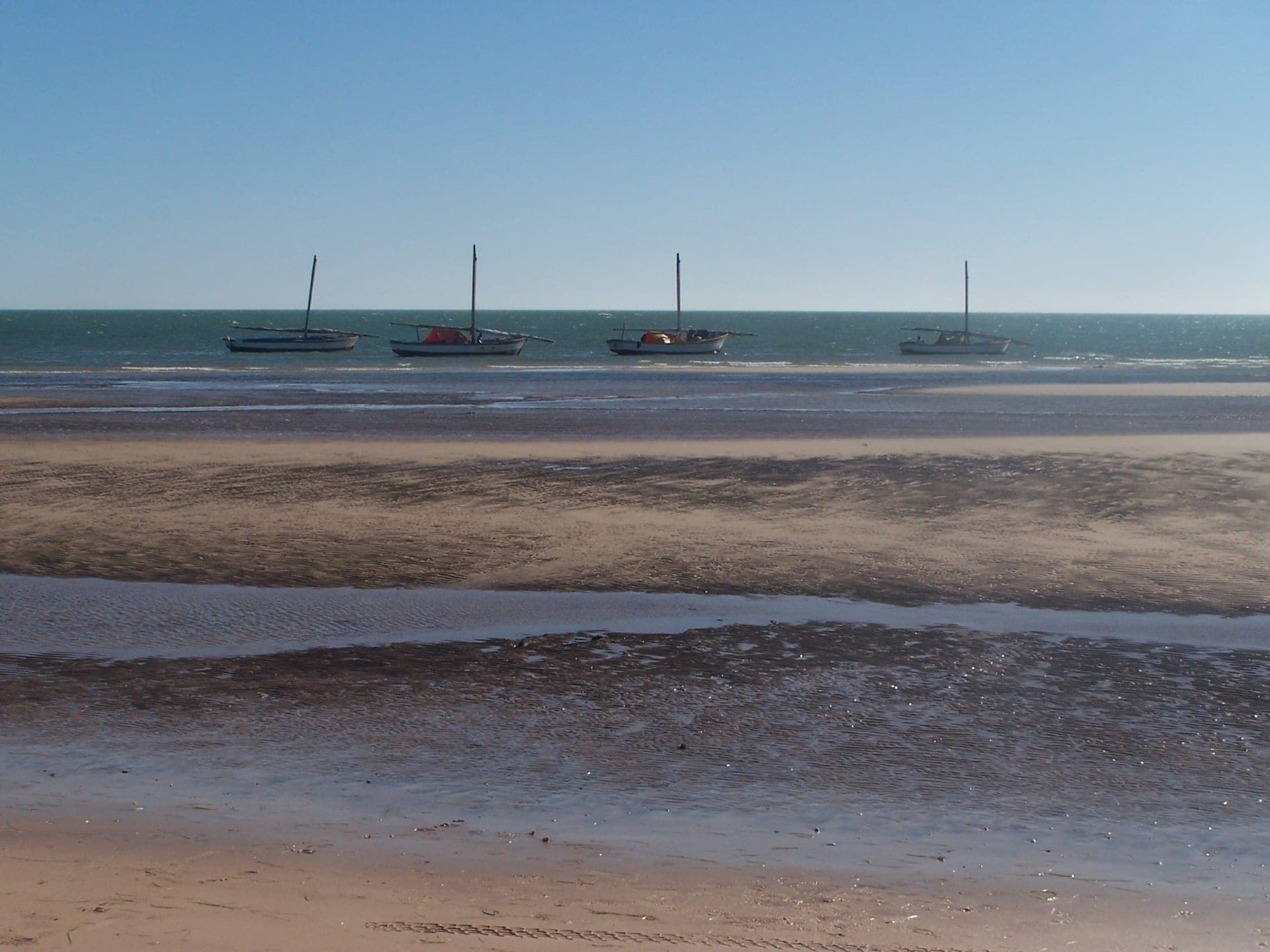
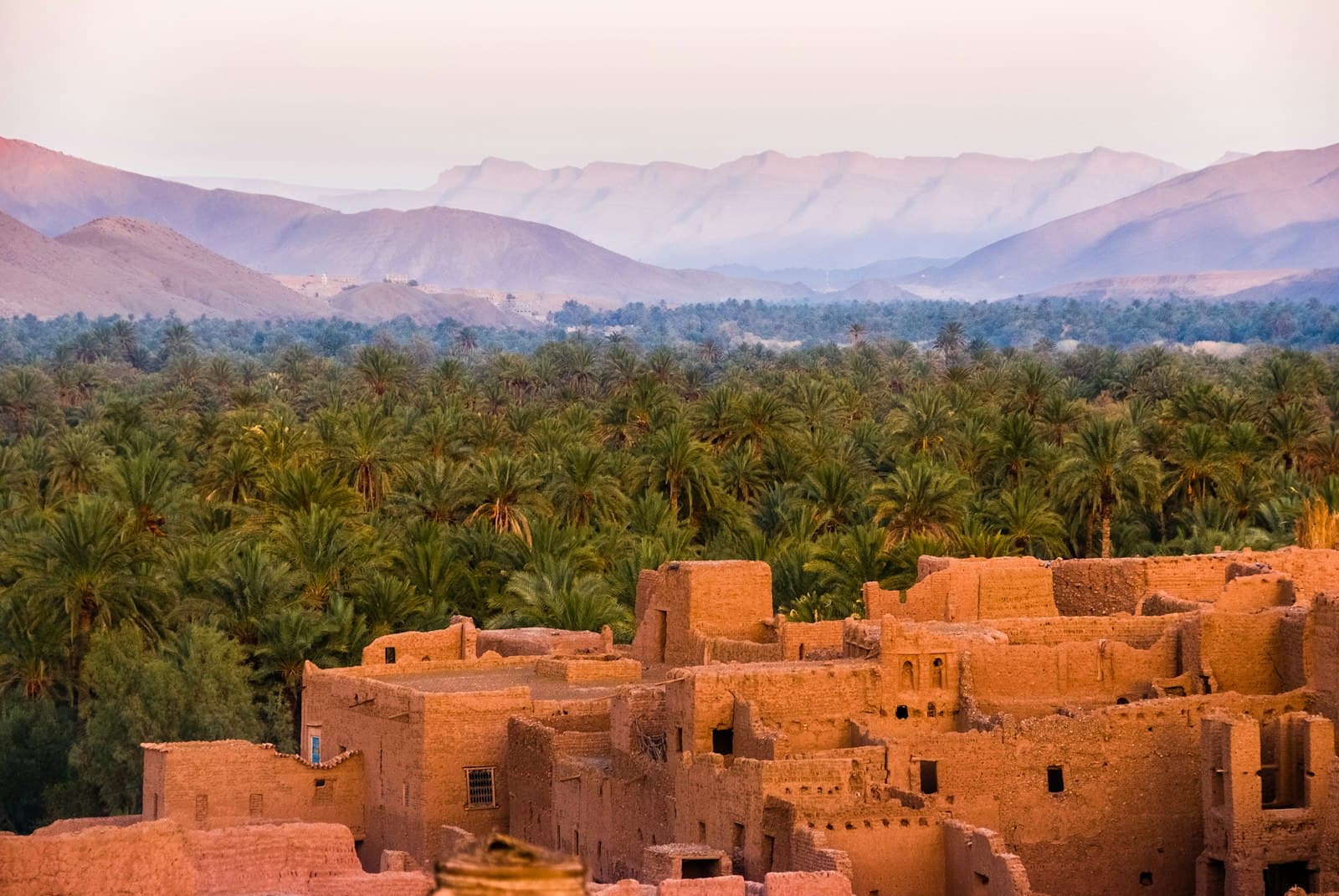
Ninety percent of Mauritania is Sahara, and its tourism draw follows that geography north into the desert rather than along the coast. Chinguetti, founded in the 13th century as a waypoint for pilgrims heading to Mecca and traders crossing the Sahara, became one of Islam's seven holiest cities and still holds five functioning manuscript libraries of the roughly thirty that once operated there, with texts on astronomy, law, and mathematics dating to the 12th century; its dry-stone mosque minaret is considered among the oldest religious structures still in continuous use in the Islamic world. Northeast of Chinguetti near Ouadane, the Richat Structure — also called the Eye of the Sahara or Eye of Africa — is a 40-kilometre-wide eroded geological dome so symmetrical that early astronauts used it as a naked-eye landmark from orbit; geologists now read it as an uplifted dome exposing concentric rings of sedimentary rock rather than an impact crater, as once suspected. South of Chinguetti at Terjit, a spring-fed gorge holds the Adrar region's only natural flowing water, its palm grove tucked into a cliff-walled canyon that has hosted wedding ceremonies for generations. On the Atlantic coast, the Banc d'Arguin National Park's mudflats and shallow waters host over two million migratory shorebirds annually from as far as Siberia and Greenland — one of the most important wader sites on Earth, worked by Imraguen fishing communities using traditional sailboats.
Mauritania's population divides between Beydane (Arab-Berber, Hassaniya-speaking) and several Sub-Saharan African groups including Haalpulaar, Soninke, and Wolof communities concentrated along the Senegal River in the south; Arabic is the sole official language, a source of periodic tension with the country's Black African minority. The country has cycled through multiple coups since independence from France in 1960, most recently in 2008; President Mohamed Ould Ghazouani, first elected in 2019, was re-elected in June 2024 in a vote both his government and international observers characterized as the country's first peaceful transition of power since independence. Mauritania is also a frontline state in Sahel security terms without being a conflict zone itself — it has absorbed roughly 150,000 refugees from Mali's ongoing crisis and negotiated a 2024 EU migration agreement worth €210 million, while the desert north remains stable enough for organized 4x4 expeditions to Chinguetti, Ouadane, and the Adrar plateau.
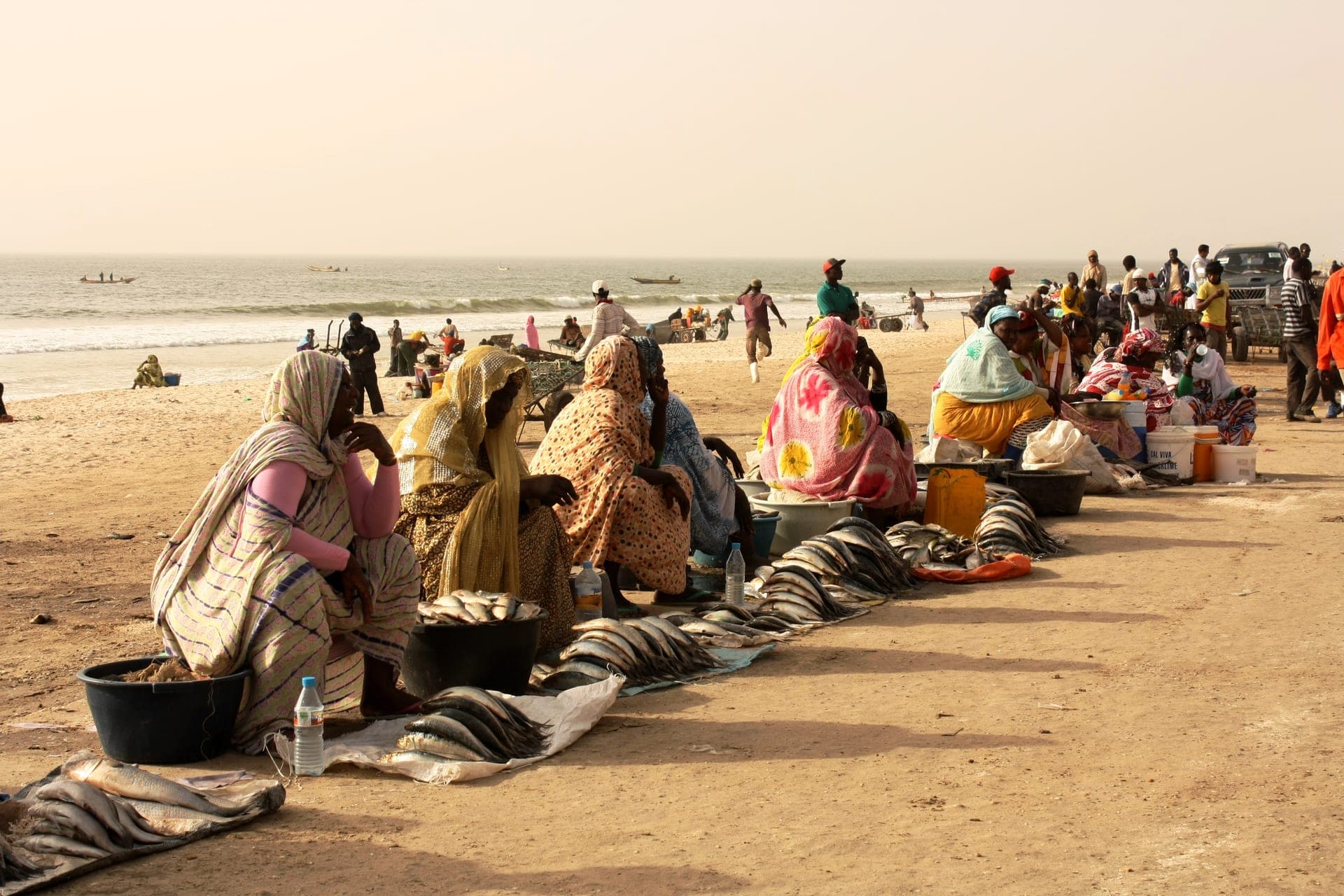
Most international flights land at Nouakchott–Oumtounsy International Airport. Mauritania ended visa-on-arrival for essentially all nationalities on 5 January 2025; travelers now apply for an e-Visa online in advance (passport scan, photo, proof of funds, yellow fever certificate), print the approval, and pay the visa fee in cash — euros or US dollars only, no change given — on arrival. A short list of neighboring nationalities (Algeria, Mali, Niger, Senegal, and a few others) remain visa-exempt. November through February is the only comfortable travel window; Saharan summer heat in the Adrar routinely exceeds 45°C. Nouakchott itself is workaday rather than picturesque — its fish market, where Imraguen women sell the morning catch straight off the pirogues on the beach, is the city's most vivid single scene.
Practical info.
Climate
Best time: November–February (cool dry season); summer heat in the Adrar interior regularly exceeds 45°C.
Visa & entry
e-Visa required in advance for most nationalities since January 2025. Mauritania ended visa-on-arrival on 5 January 2025. Travelers must now apply for an e-Visa online before departure (passport scan, photo, proof of funds, yellow fever certificate), print the approval, and pay the fee in cash on arrival — euros or US dollars only, exact amount, no change given. A short list of neighboring nationalities (Algeria, Mali, Niger, Senegal among them) remain visa-exempt for short stays. The desert north (Chinguetti, Ouadane, the Adrar) is typically visited via organized 4x4 tours rather than independent travel.
Money
Mauritanian ouguiya (MRU). Mobile money is widely accepted; carry some cash for rural travel.
Safety & health
Anti-malarial cover for low-elevation regions; standard travel insurance recommended.
How is Mauritania measured?
Tourism is the story; data is the context. Health, population, economy and climate indicators across Mauritania — sourced from the World Bank, WHO and UNICEF.
See Mauritania in numbers