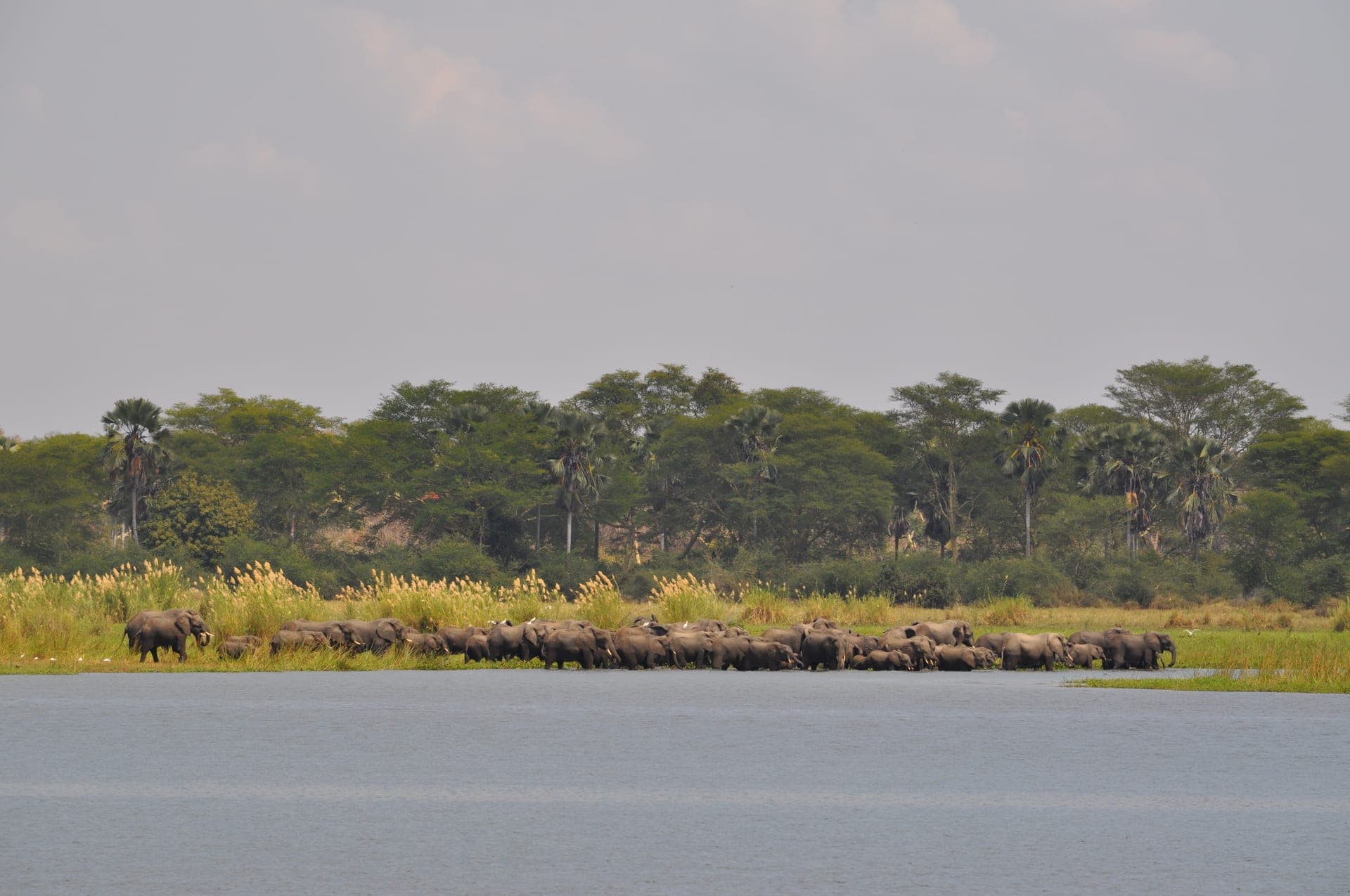
Photo by Joachim Huber, CC BY-SA 2.0, via Wikimedia Commons
MalawiTourism
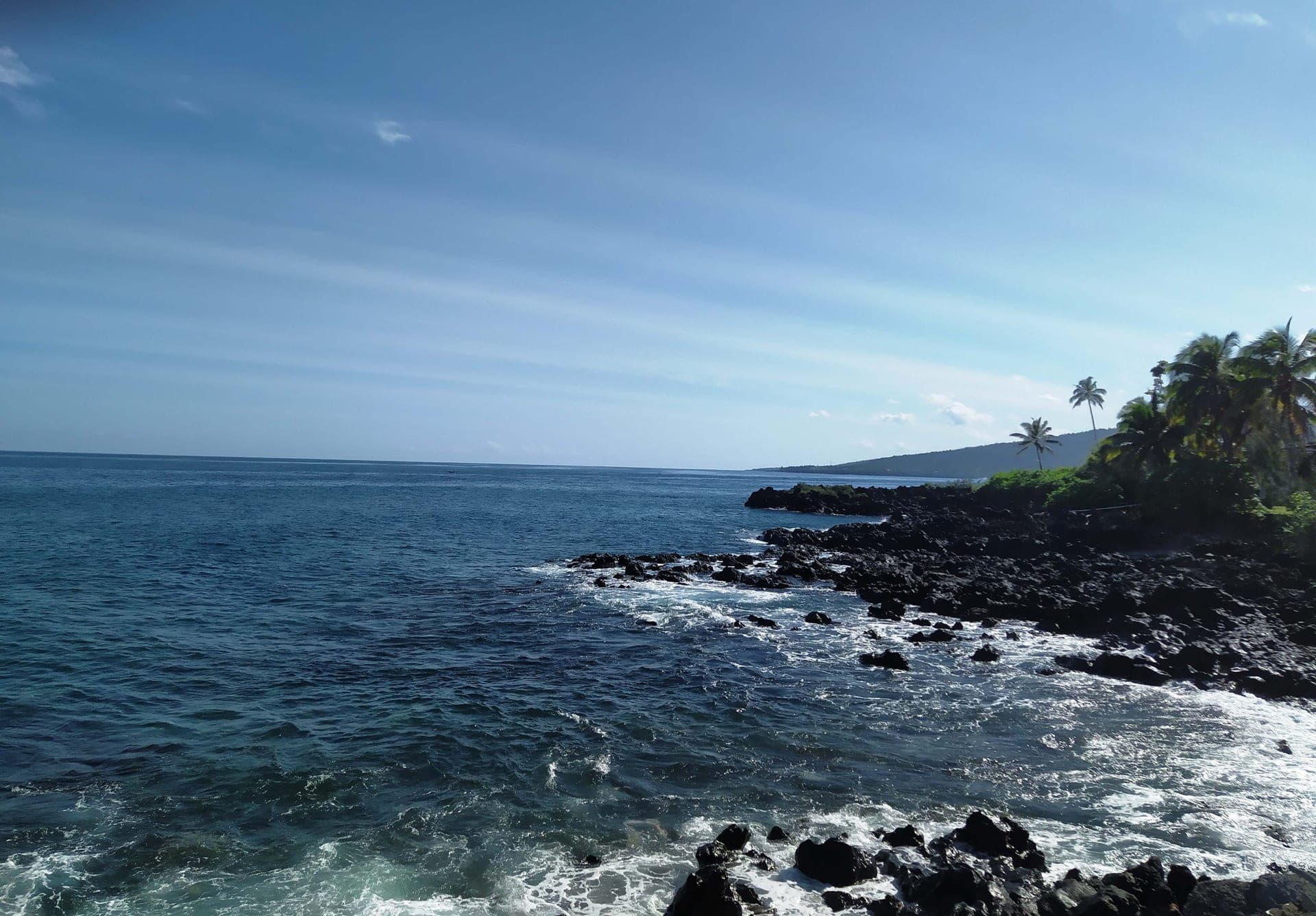
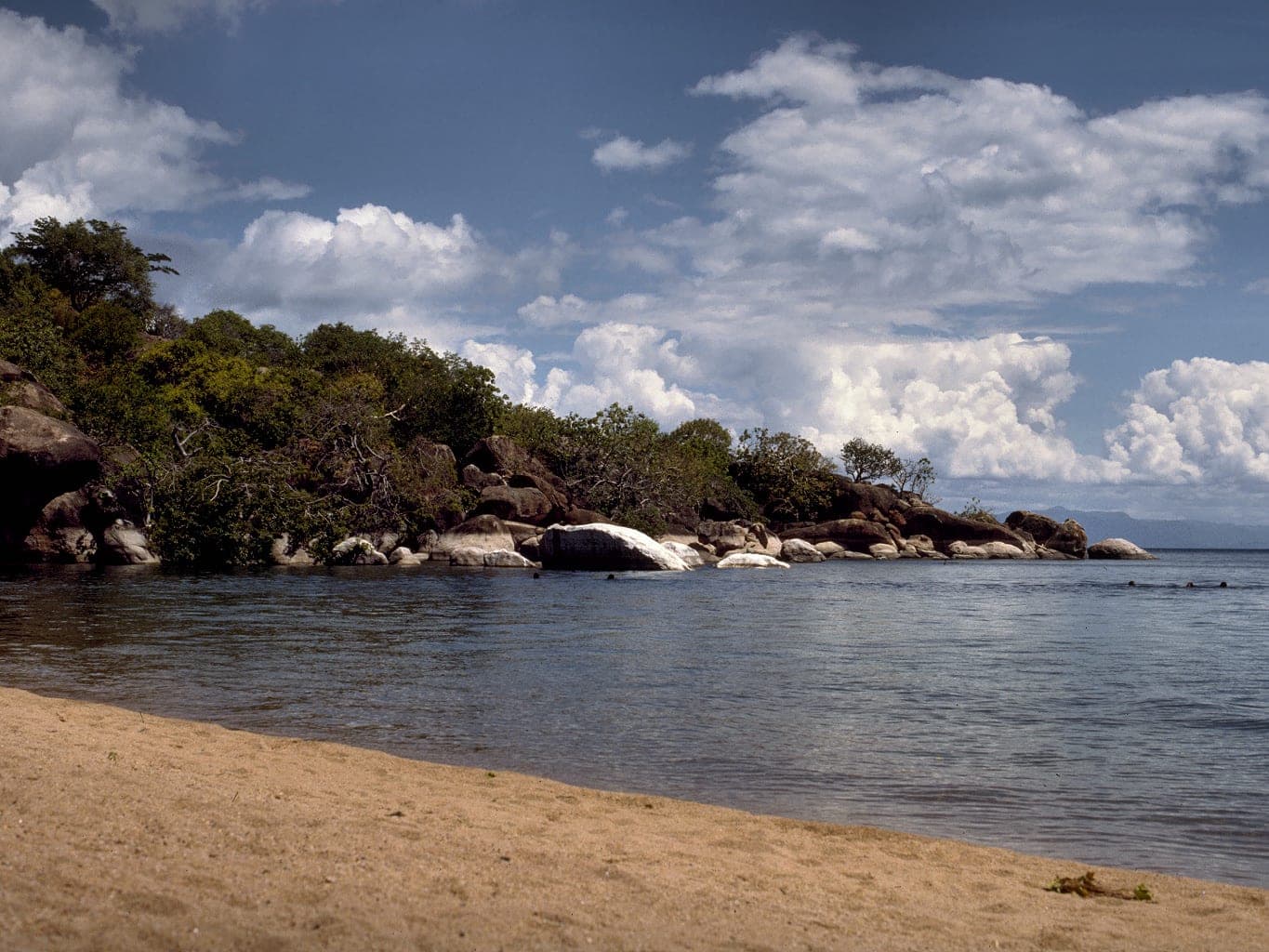
Lake Malawi fills almost a fifth of the country's area — a freshwater sea with more fish species than any other lake on Earth — bordered by the granite peaks of the Mulanje Massif and a chain of compact wildlife reserves that punch well above their size.
A country measured in horizons.
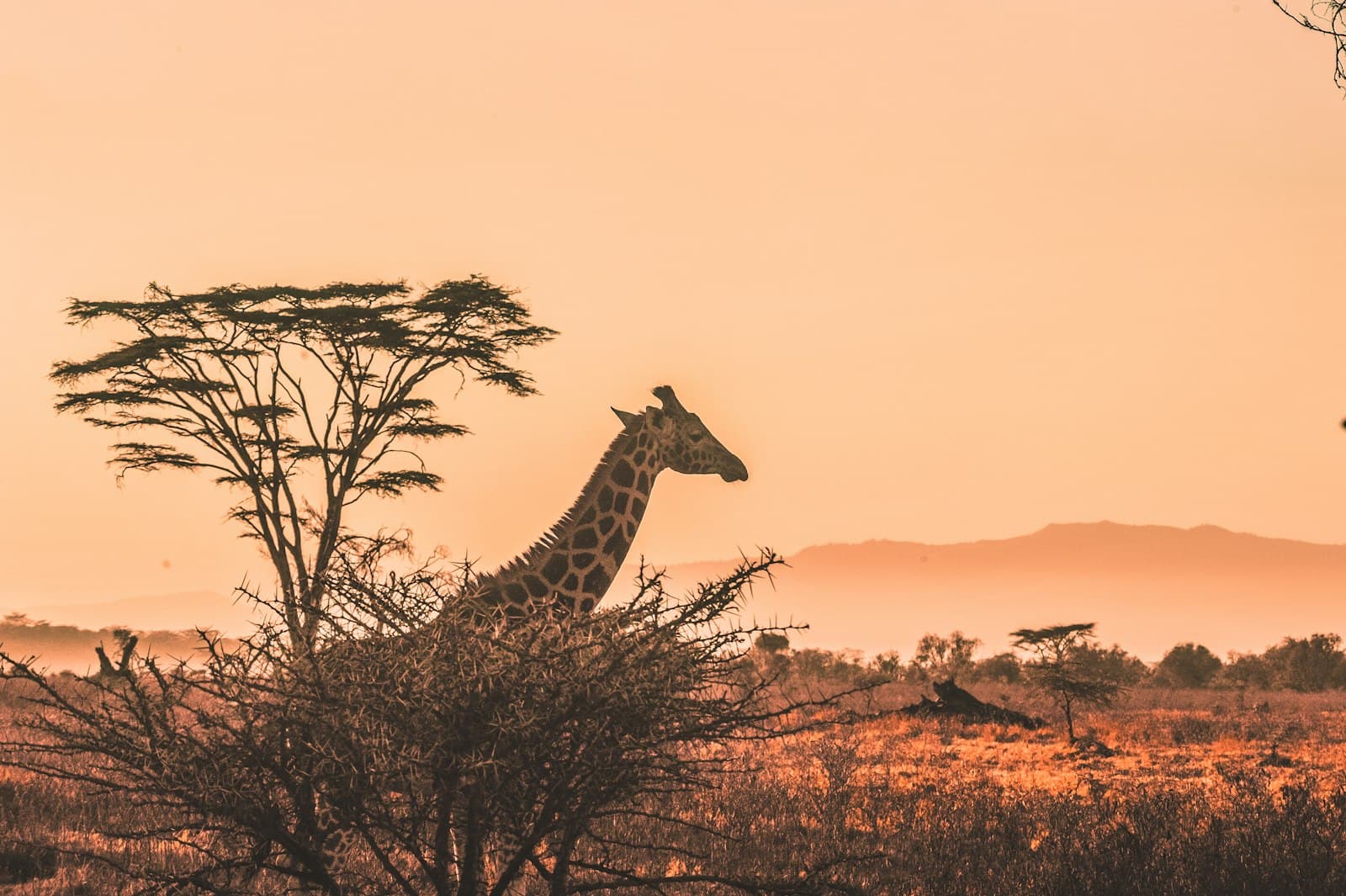
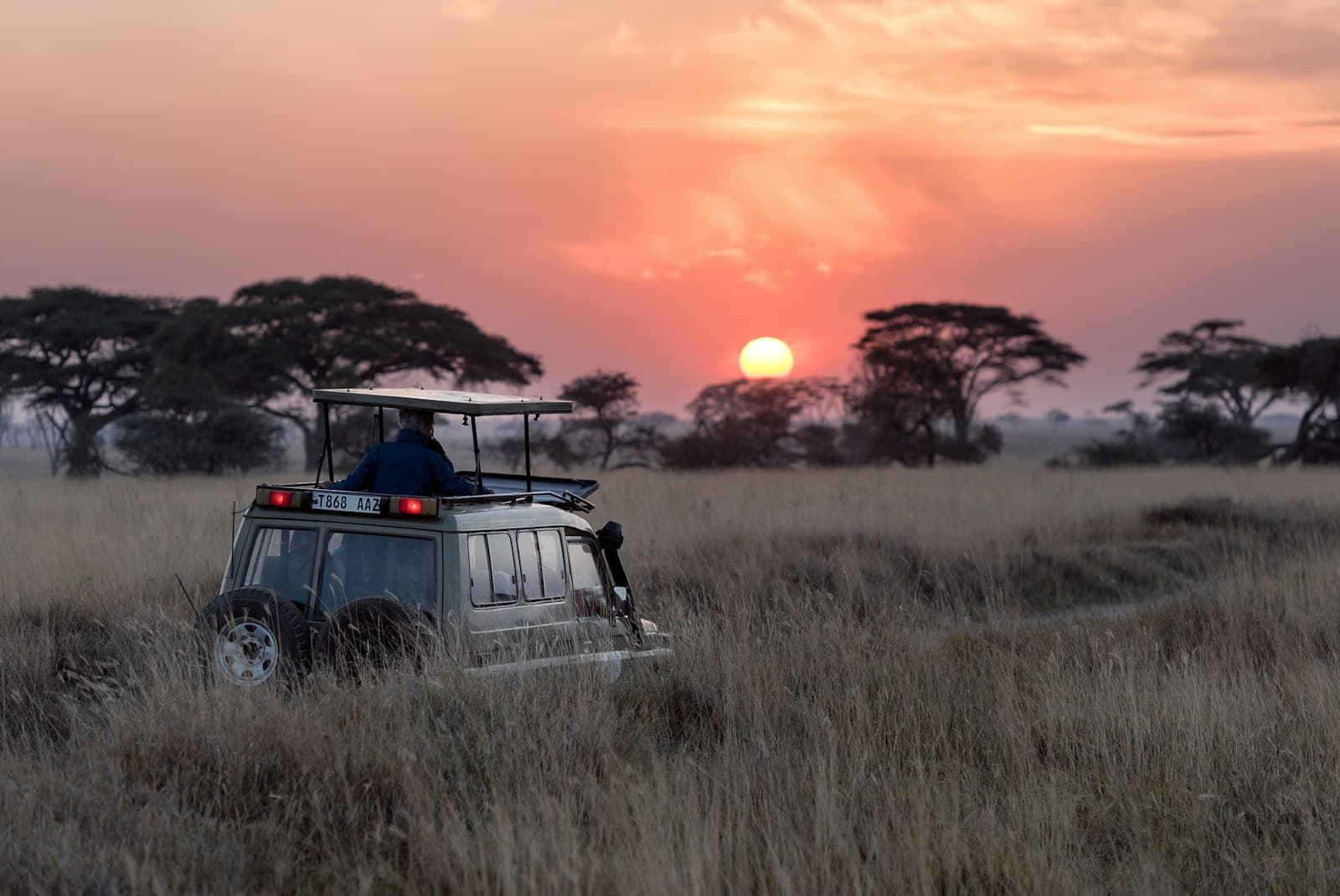
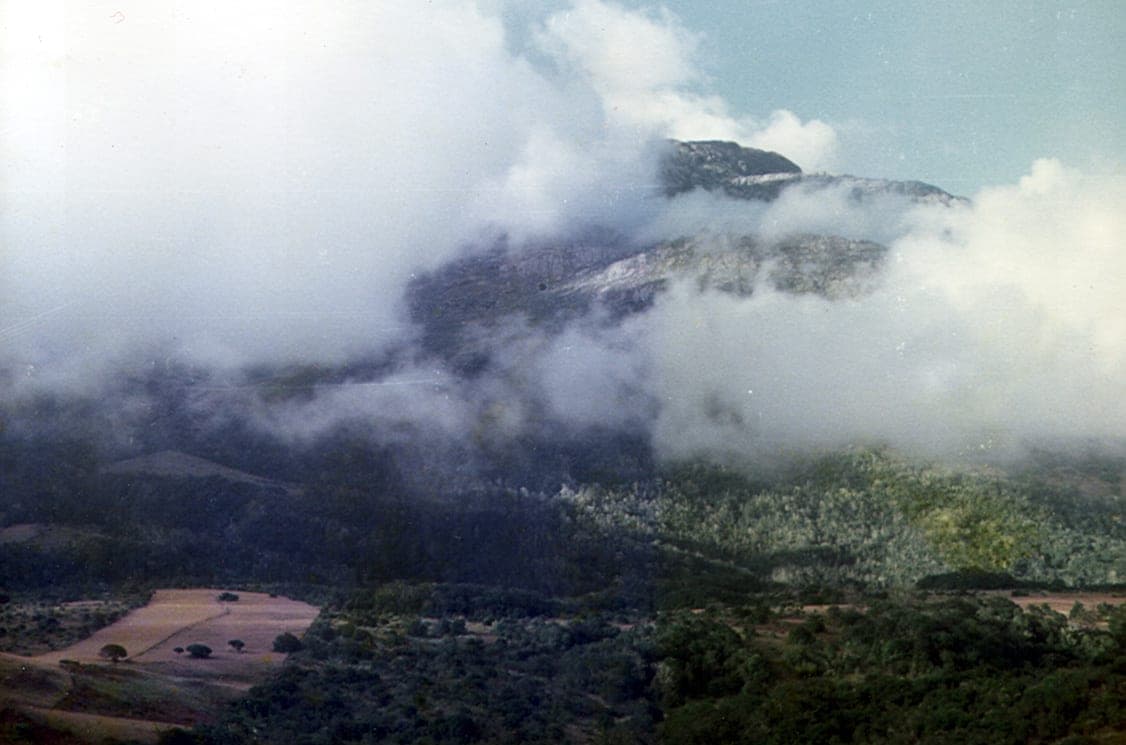
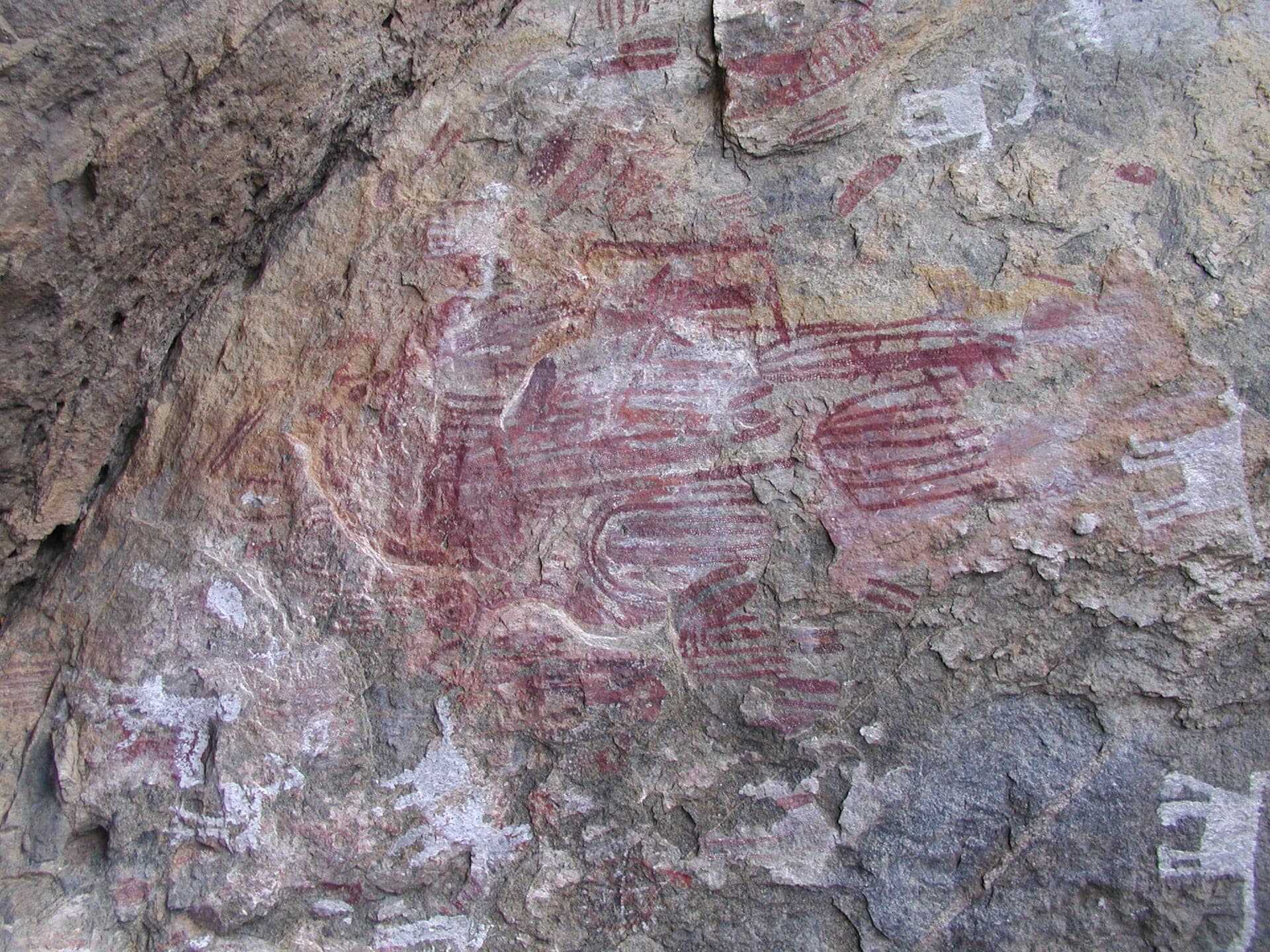
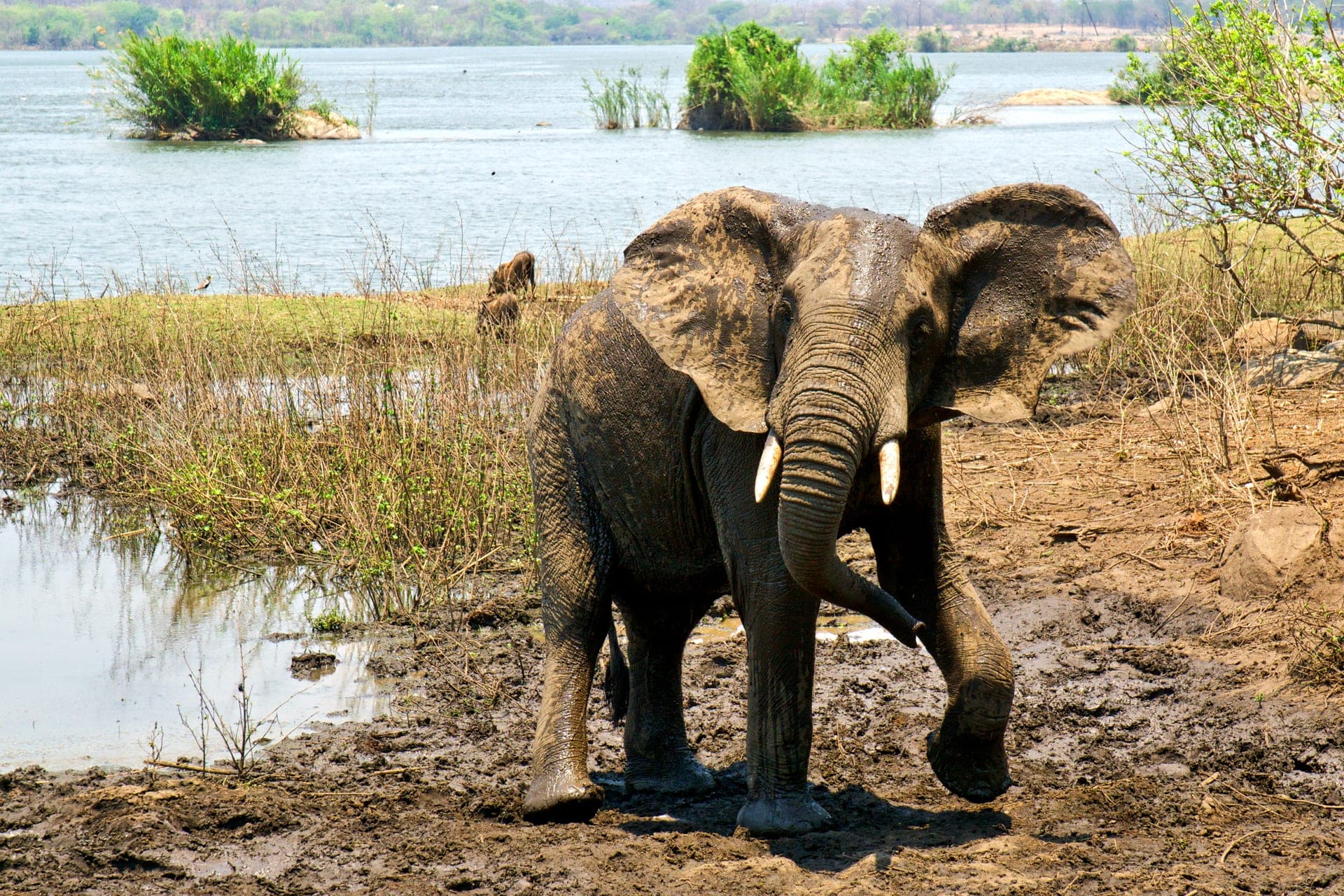
Lake Malawi runs the length of the country's eastern border, roughly 580 kilometres long and up to 700 metres deep, and holds an estimated 700–1,000 species of cichlid fish found nowhere else — enough that its southern arm is protected as Lake Malawi National Park, a UNESCO World Heritage Site since 1984 centred on Cape Maclear. To the south, the Mulanje Massif rises abruptly out of tea plantations to Sapitwa Peak at 3,002 metres, the highest point in central Africa and a multi-day trekking objective with a network of forestry-hut trails first cut by colonial foresters. Malawi's national parks are modest in size compared with its neighbours' but recovering fast: Majete Wildlife Reserve went from a poached-out shell in 2003 to a Big Five reserve within a decade under African Parks management, and Liwonde National Park along the Shire River now holds one of the region's densest elephant populations after a similar turnaround. Zomba Plateau, a forested tableland above the old colonial capital, and the rock-art shelters of the Chongoni Forest — a UNESCO World Heritage Site holding the largest concentration of rock art in central Africa — round out a country whose sites are small in scale but dense in variety.
Malawi was the British protectorate of Nyasaland until independence in 1964 under Hastings Banda, whose 30-year one-party rule gave way to multiparty democracy in 1994. Politics since has been genuinely competitive and prone to reversal: Peter Mutharika, who first served as president from 2014 to 2020, returned to office after winning the September 2025 election with 56.8% of the vote against incumbent Lazarus Chakwera, and was sworn in as Malawi's seventh president on 20 September 2025 — a rare instance on the continent of a defeated leader winning back the presidency at the ballot box rather than through unrest. Malawi remains one of the world's poorest countries by GDP per capita despite consistent peaceful transfers of power, with an economy still centred on smallholder tobacco, tea, and sugar farming; chronic fuel and foreign-currency shortages are a recurring backdrop to daily life that visitors should plan around, particularly for road transport between parks.
Most international flights arrive at Lilongwe's Kamuzu International Airport or Chileka International in Blantyre. Malawi's 2024 visa-waiver scheme for a wide list of nationalities was revoked effective 2 January 2026, meaning most travelers again need an eVisa in advance via evisa.gov.mw (roughly USD 75 for a 90-day single-entry tourist eVisa, though some nationalities can still get a visa on arrival) — check current requirements before booking, since this reversed a very recent liberalization. The dry season from May to October is the standard travel window, cool and clear from May–August and hot from September–October before the November–April rains, which can make some park roads impassable. Malawi is politically stable relative to much of the region, with no major current travel advisories beyond routine road-safety and health precautions.
Practical info.
Climate
Best time: May–October (dry season; cool May–Aug, hot Sept–Oct); Nov–Apr rains can close some park roads.
Visa & entry
eVisa required for most nationalities via evisa.gov.mw since the Jan 2026 waiver-scheme revocation. Malawi's broad 2024 visa-waiver scheme was revoked effective 2 January 2026, so most travelers now need to apply for an eVisa in advance at evisa.gov.mw — a tourist single-entry eVisa (90-day validity, 60 days to use) costs around USD 75; some nationalities can still get a visa on arrival, but pre-arrival application is recommended and some airlines require proof of the eVisa before boarding. Passport must be valid 6+ months with proof of onward travel.
Money
Malawian kwacha (MWK). Mobile money is widely accepted; carry some cash for rural travel.
Safety & health
Anti-malarial cover for low-elevation regions; standard travel insurance recommended.
How is Malawi measured?
Tourism is the story; data is the context. Health, population, economy and climate indicators across Malawi — sourced from the World Bank, WHO and UNICEF.
See Malawi in numbers