Photo by Mrmacca, CC BY-SA 4.0, via Wikimedia Commons
LiberiaTourism
Africa's oldest independent republic, founded in 1847 by freed American slaves and settled alongside indigenous Kpelle, Bassa, and Grebo nations, Liberia runs from Monrovia's colonial-inflected streets to Sapo's rainforest and the shared Mount Nimba highlands on the Guinea and Côte d'Ivoire border.
A country measured in horizons.
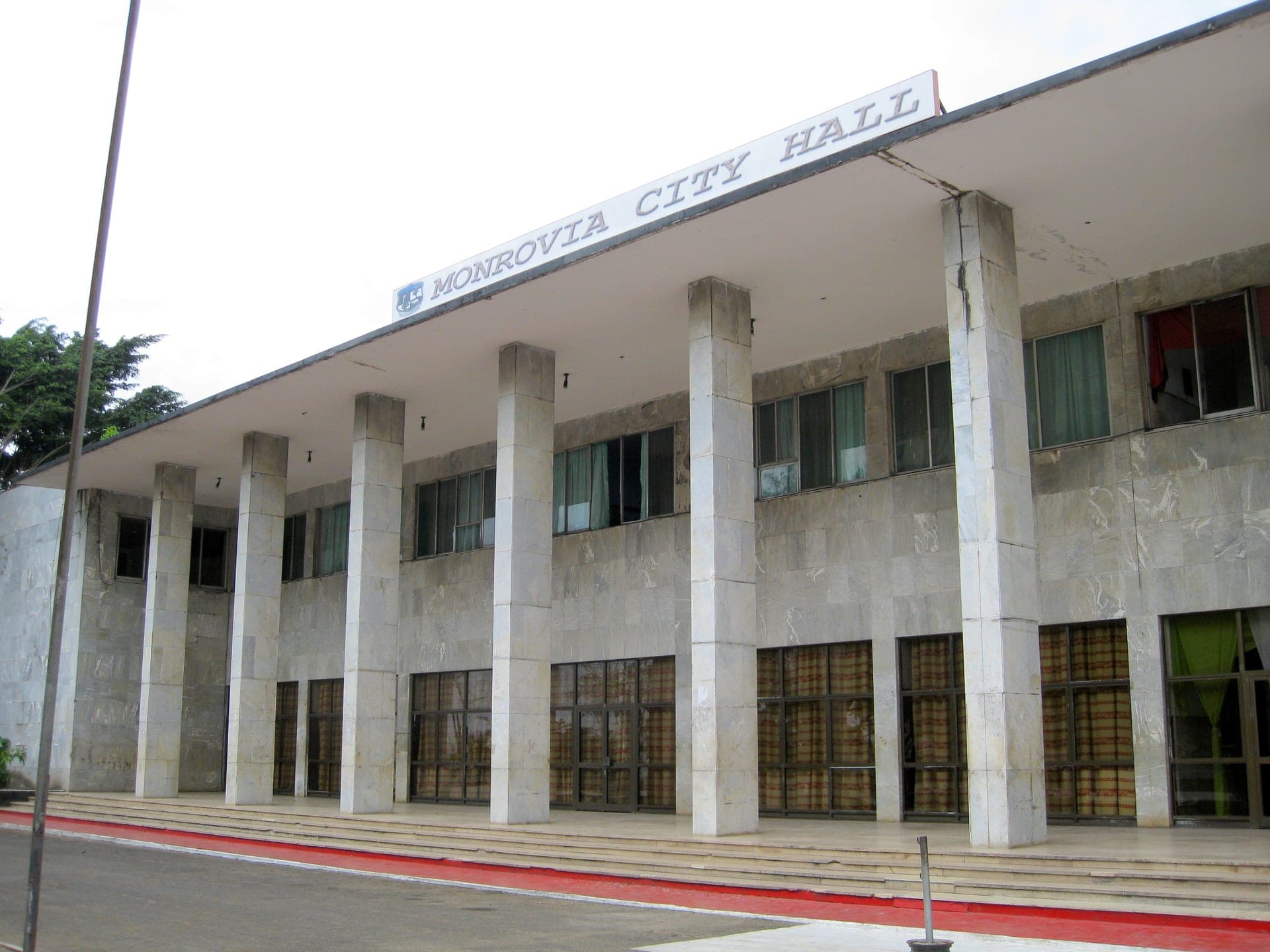
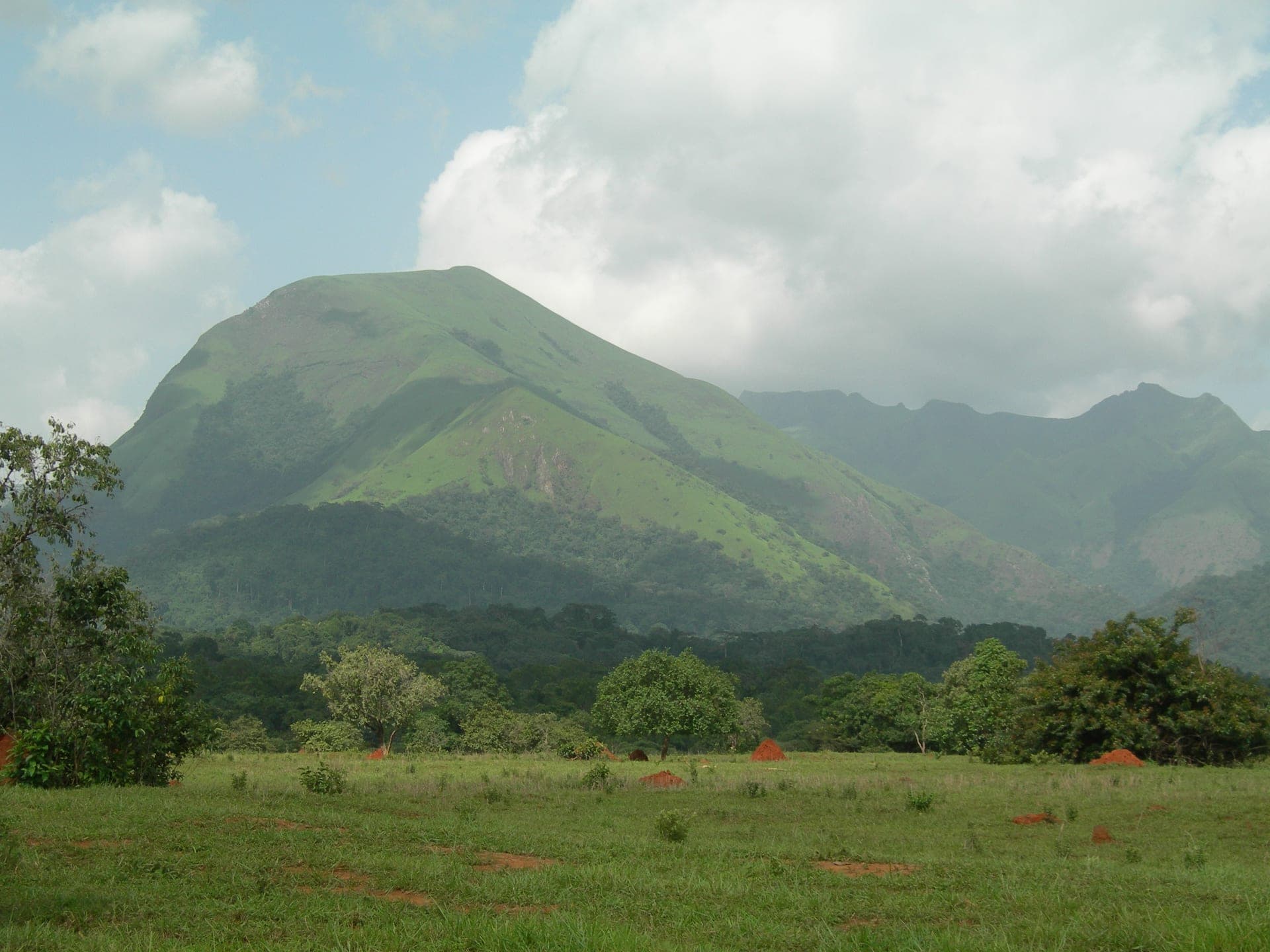
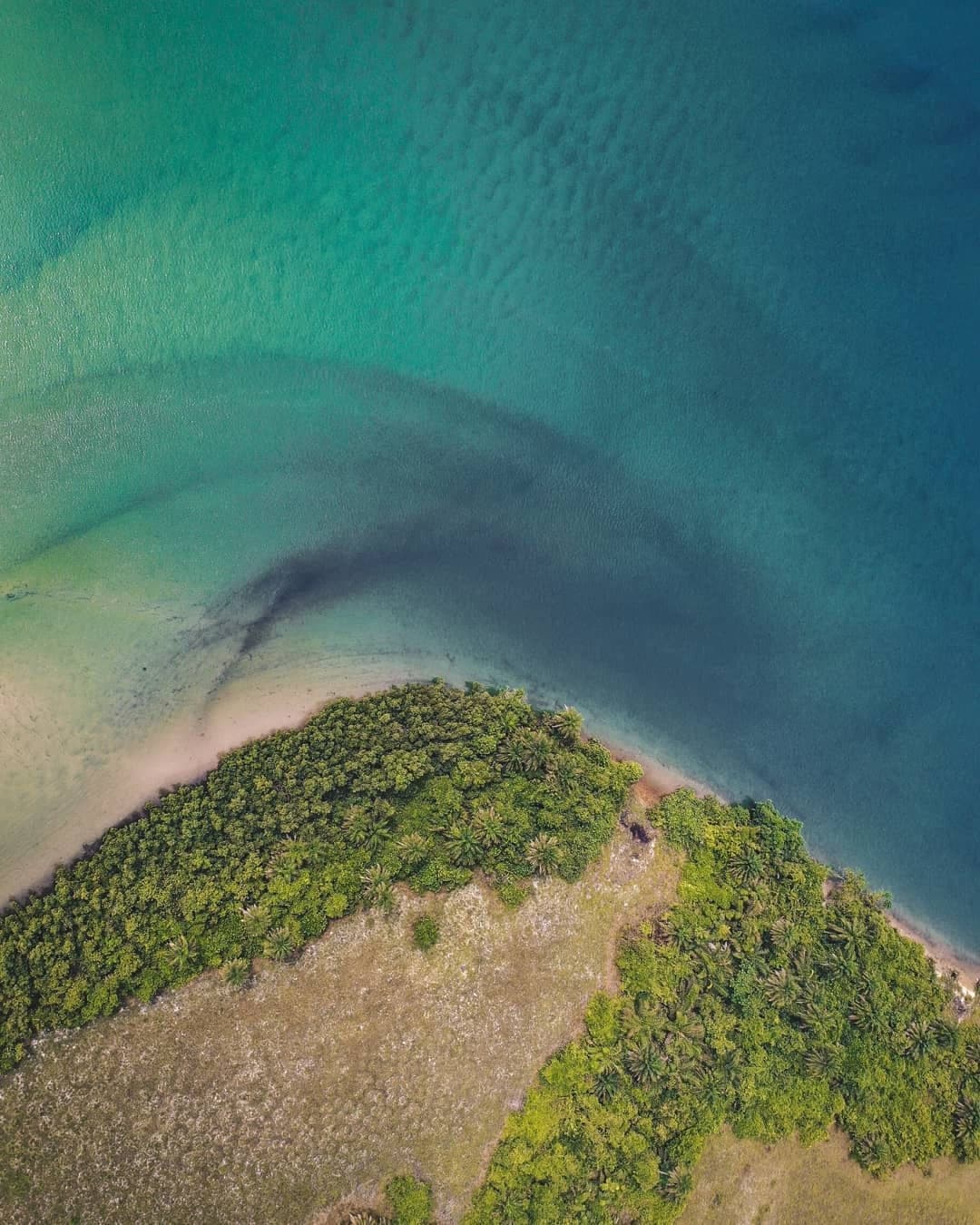
Liberia sits on the Atlantic coast of West Africa, its territory rising from mangrove-lined beaches through lowland rainforest to the Guinea Highlands on its northern border. Monrovia, the capital, was named for US President James Monroe and settled from 1822 by the American Colonization Society as a home for freed and formerly enslaved African Americans — a history still visible in its Americo-Liberian civic architecture, including City Hall and the ruins of the Ducor Intercontinental Hotel, once West Africa's only five-star hotel, now a hollowed shell above the city. Inland, Sapo National Park protects the second-largest remaining tract of primary rainforest in West Africa after Côte d'Ivoire's Taï National Park, with forest elephants, pygmy hippos, and Liberia's last significant chimpanzee populations. On the tri-national border with Guinea and Côte d'Ivoire, the East Nimba Nature Reserve forms the Liberian third of the Nimba Range and Mount Nimba Strict Nature Reserve UNESCO World Heritage Site, though decades of iron-ore mining have left the Liberian side more degraded than the still-pristine Guinean flank. Lake Piso, a large coastal lagoon near Robertsport in Bomi and Grand Cape Mount counties, draws sea turtles, manatees, and — more recently — a small surf-tourism scene along its ocean-facing beaches.
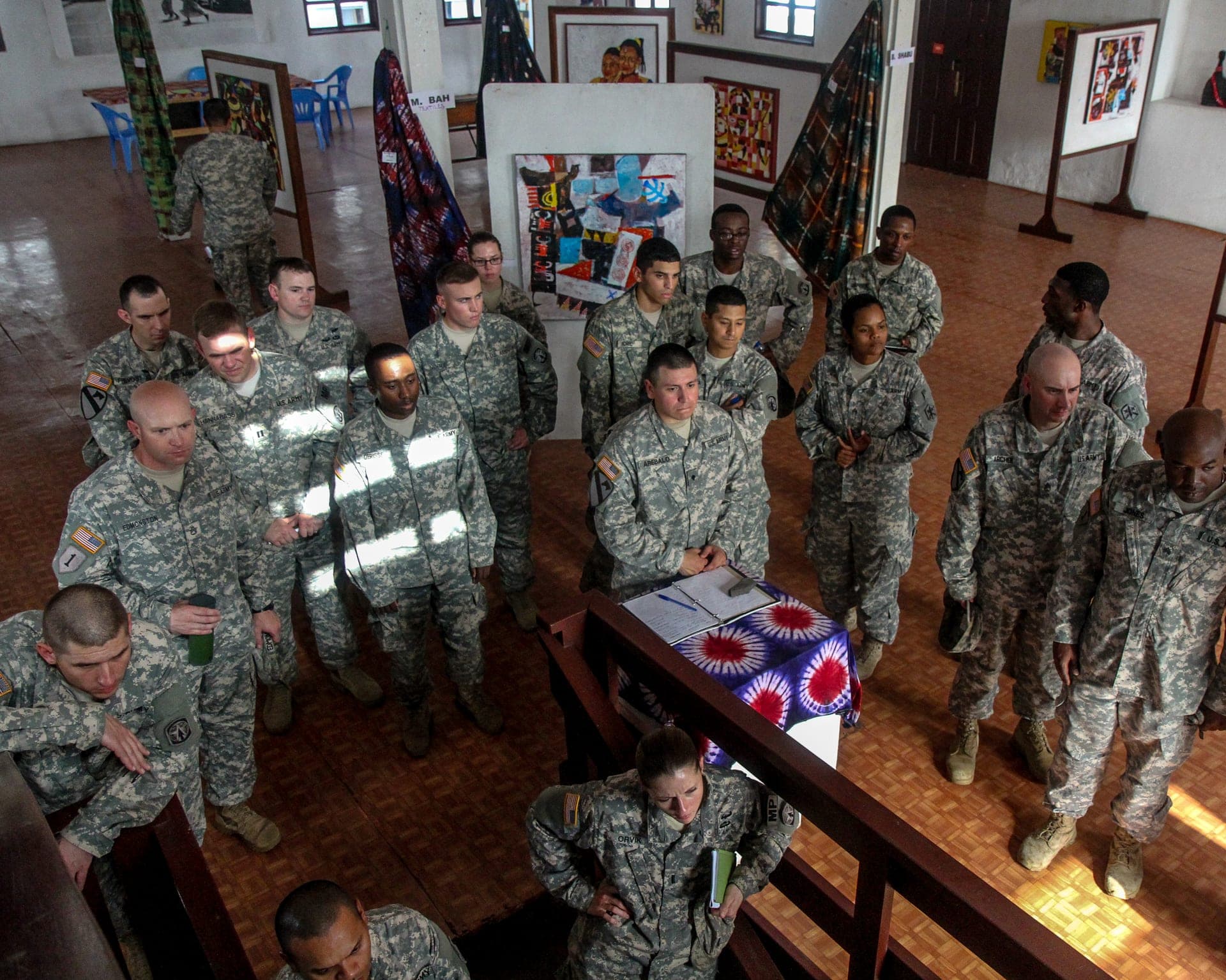
Liberia's Americo-Liberian settler elite dominated politics for over a century after independence in 1847, ruling in a one-party state under the Liberian frontier of 'civilised' versus indigenous status that persisted formally until 1904 and informally much longer. Samuel Doe's 1980 coup ended that order violently and began a downward spiral into two civil wars (1989–1997 and 1999–2003) under warlords including Charles Taylor, who was later convicted by a UN-backed special court for war crimes committed in Sierra Leone. The wars killed an estimated 250,000 people and displaced much of the population before a 2003 peace agreement and the deployment of UN peacekeepers (UNMIL, which withdrew in 2018) restored stability. Ellen Johnson Sirleaf, Africa's first elected female head of state, governed from 2006 to 2018 and shared the Nobel Peace Prize in 2011; footballer-turned-politician George Weah won the presidency in 2017, and Joseph Boakai defeated him in the 2023 election, taking office in January 2024 on a platform of anti-corruption reform.
Most travellers arrive at Roberts International Airport outside Monrovia. Liberia requires a visa for nearly all visitors — the electronic visa-on-arrival (e-VOA), introduced in March 2025, lets most nationalities apply online before travel for around USD 102.50, though anyone with a Liberian embassy in their home country is expected to apply there instead. A yellow fever certificate and 6-month passport validity are required. The dry season from November to April is the most comfortable window and the only realistic time for Sapo National Park and East Nimba, given how quickly Liberia's unpaved roads deteriorate in the rains from May to October — among the heaviest rainfall totals in West Africa. The US State Department currently rates Liberia Level 2 (Exercise Increased Caution), citing crime, particularly armed robbery in Monrovia and after dark outside the capital.
Practical info.
Climate
Best time: November–April (dry season, essential for Sapo NP and East Nimba); heavy rains May–October.
Visa & entry
Electronic visa-on-arrival (e-VOA) for most nationalities, introduced March 2025. Liberia's e-VOA, introduced in March 2025, allows most nationalities to apply online before travel for around USD 102.50 (non-refundable); travellers with a Liberian embassy in their home country are expected to apply there instead. Passport valid 6+ months and a yellow fever certificate are required. US State Department rates Liberia Level 2 (Exercise Increased Caution) as of December 2025, citing crime — particularly armed robbery in Monrovia and after dark outside the capital.
Money
Liberian dollar (LRD); US dollar widely accepted. Mobile money is widely accepted; carry some cash for rural travel.
Safety & health
Anti-malarial cover for low-elevation regions; standard travel insurance recommended.
How is Liberia measured?
Tourism is the story; data is the context. Health, population, economy and climate indicators across Liberia — sourced from the World Bank, WHO and UNICEF.
See Liberia in numbers