01
The river crossings
Find a ranger-recommended crossing point on the Mara or Talek rivers between mid-July and late September. Crocodiles wait in the deep pools; the herds run for the gravel banks.
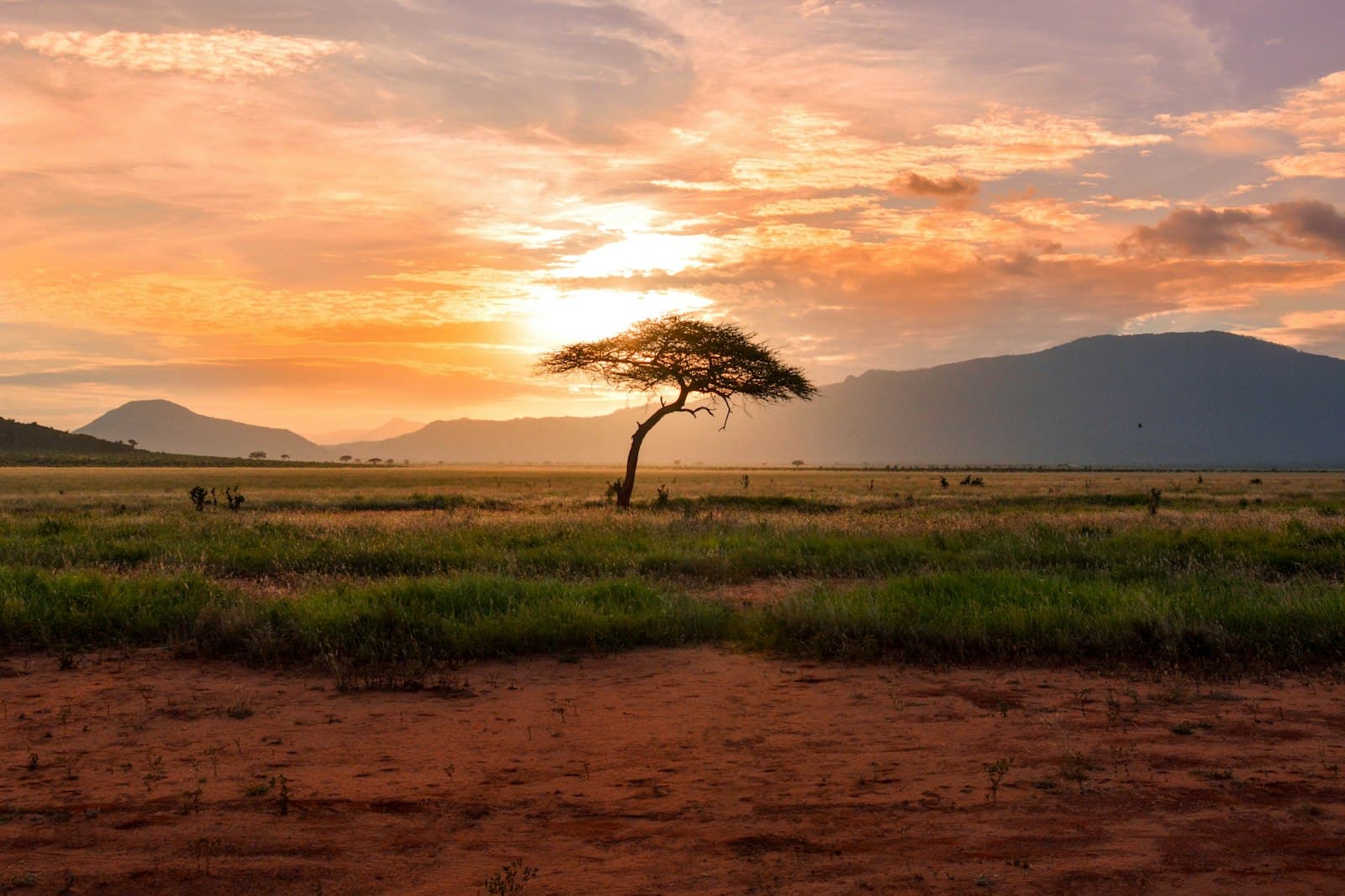
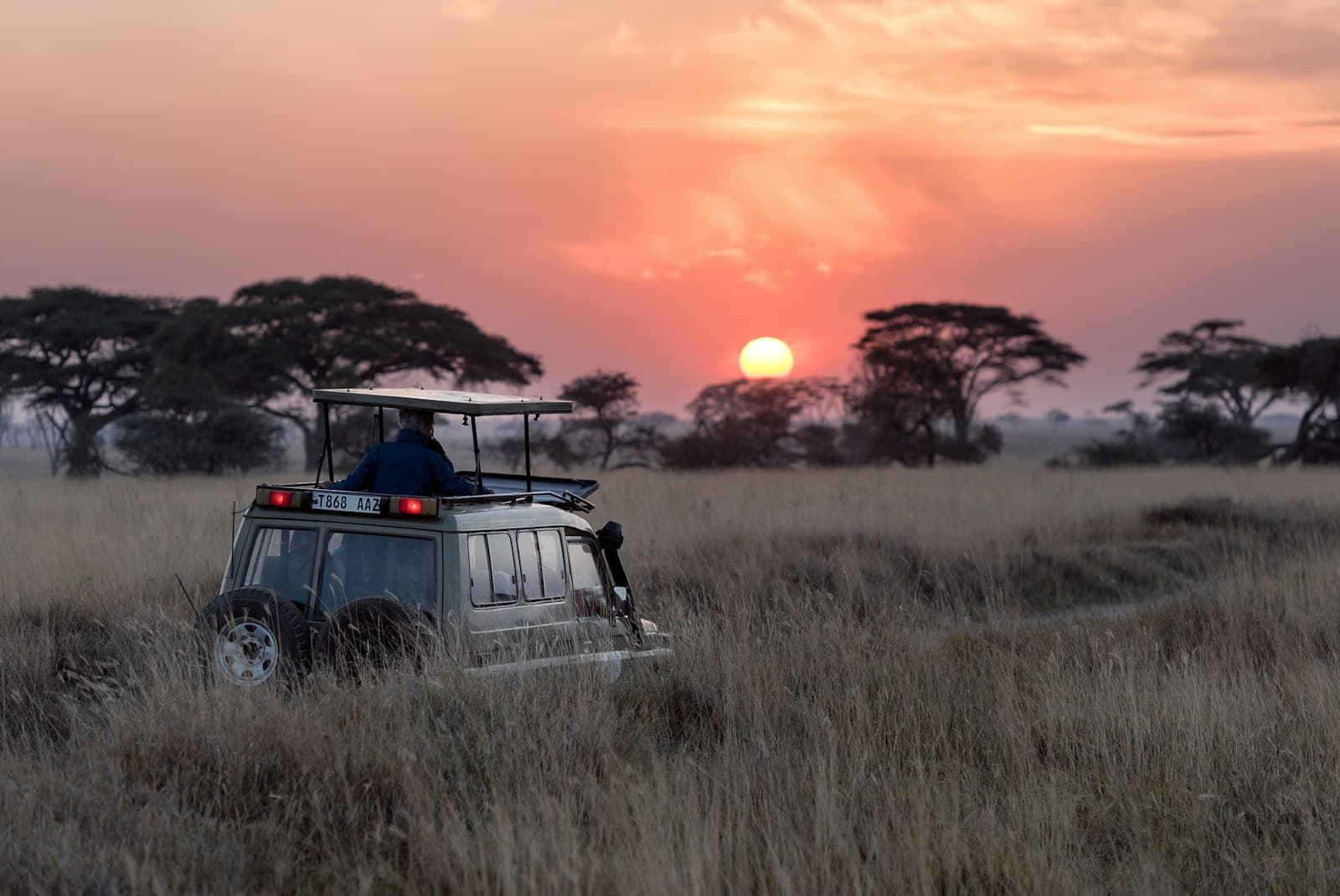
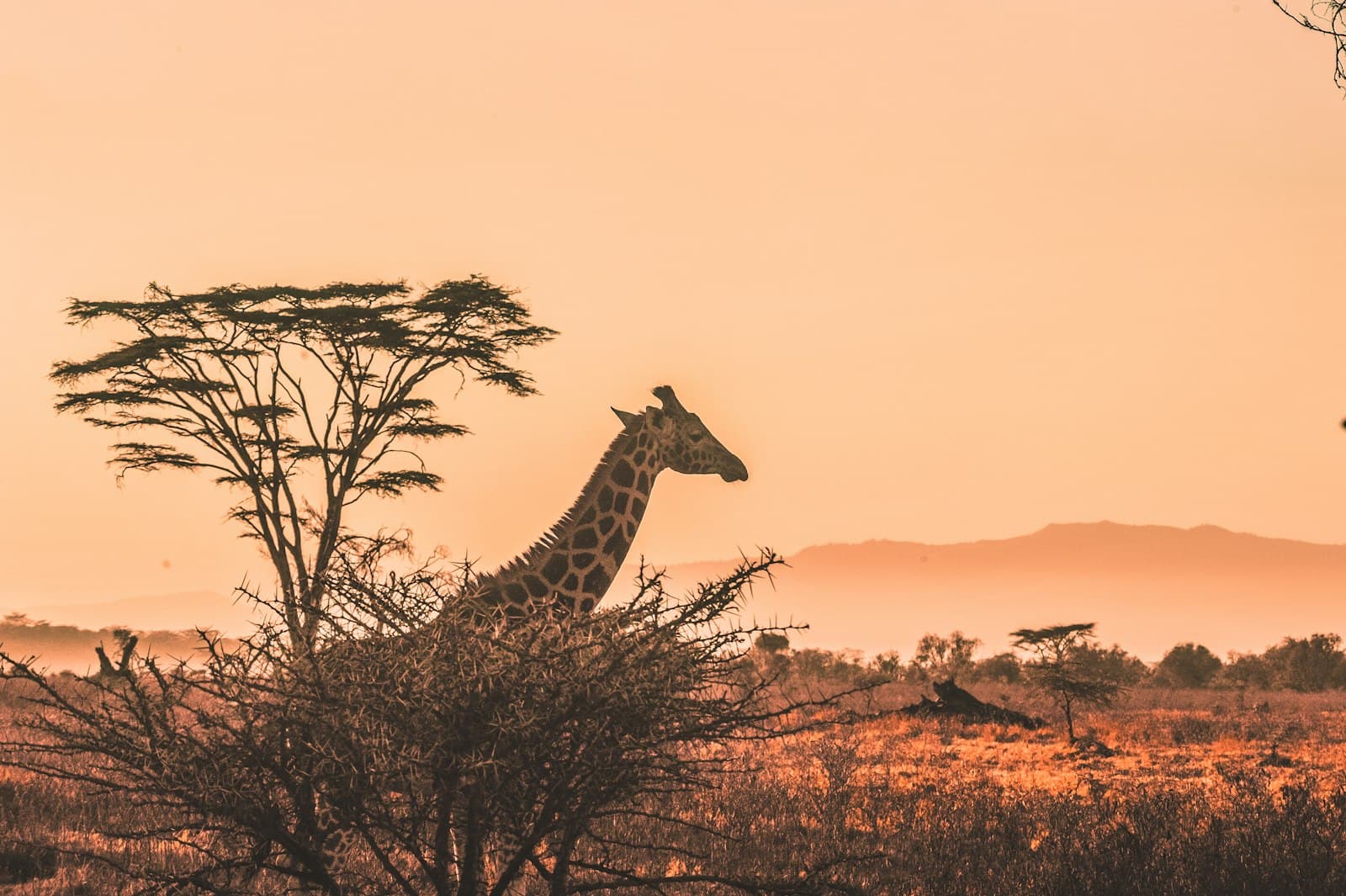
The Maasai Mara is the northern face of the Serengeti — an open, treeless plain shaped by black-cotton soils, monsoon rains, and a thousand years of Maasai pastoralism. Between July and October, the western corridor fills with two million wildebeest and 200,000 zebra crossing the Mara River en route from Tanzania, pursued by lion prides, cheetah coalitions, and the largest concentration of Nile crocodiles on the continent.
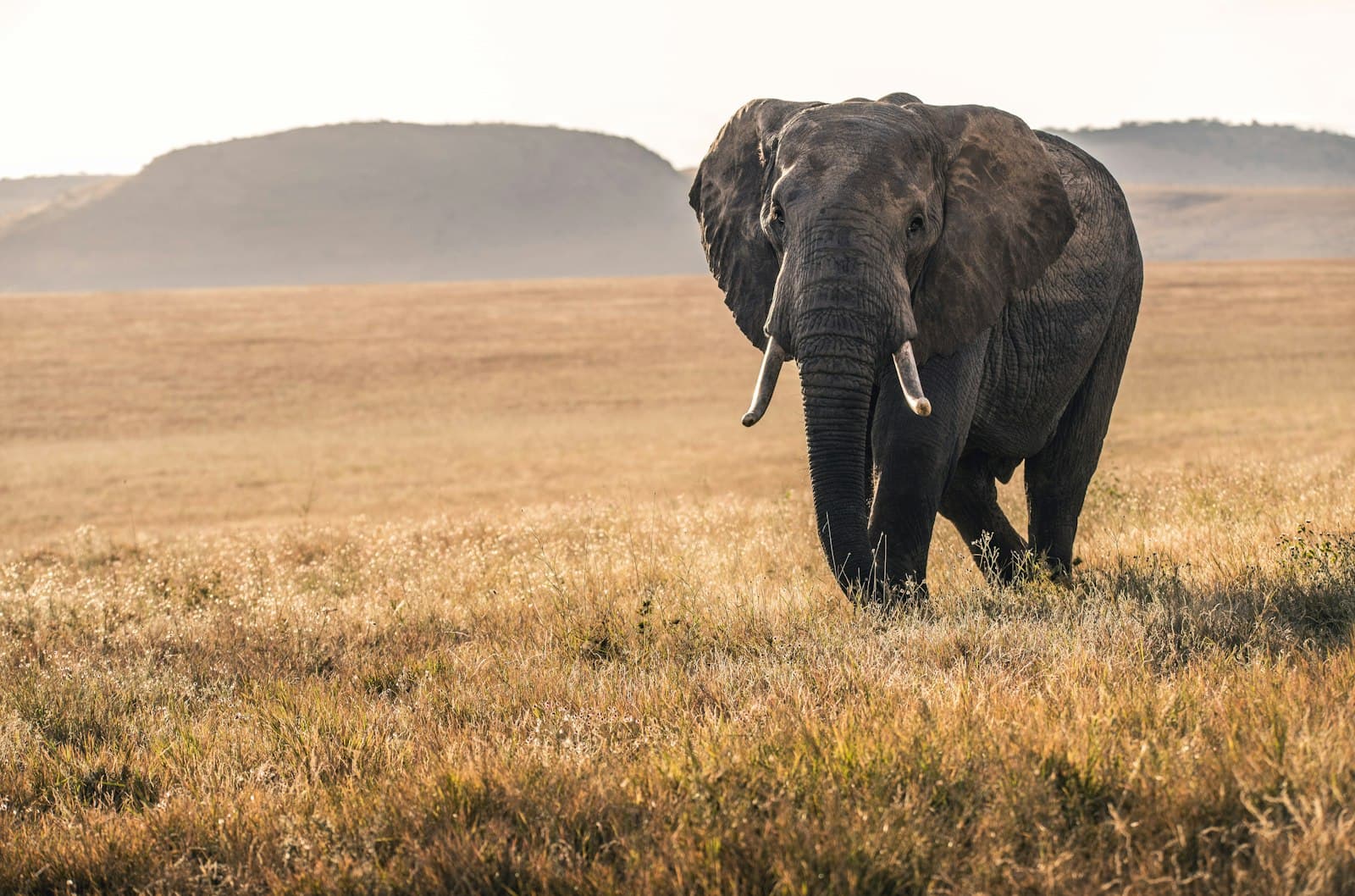
Outside the migration window, the Mara is quieter but never empty. Resident lion pride densities are among the highest in Africa, leopards work the riverine forest along the Mara and Talek rivers, and the eastern conservancies host the only stable cheetah population in the wider ecosystem. Elephant herds are large and visibly well-protected; rangers from the Mara North and Naboisho conservancies share live coordinates with neighbouring camps to keep tourism pressure off them.
The reserve itself is open to all tour operators, but the 14 community conservancies that border it run a different model — daily vehicle quotas, no off-roading, profit-sharing with Maasai landowners. Visitors who book inside a conservancy pay a higher rate but see fewer Land Cruisers per sighting and travel on land where conservation revenue keeps cattle paddocks open as wildlife corridors.
“If the Mara closes, the Serengeti has nowhere to come north to. The migration ends where the conservancies end.”
— Brian Heath, Mara Conservancy CEO
Find a ranger-recommended crossing point on the Mara or Talek rivers between mid-July and late September. Crocodiles wait in the deep pools; the herds run for the gravel banks.
Daybreak game drives in the Musiara Marsh and Bila Shaka — the heart of BBC's Big Cat Diary. Resident pride sizes routinely exceed 20.
Fifty minutes drifting over the open plain at 300 m, finishing with a champagne breakfast on the savanna. Operators take off year-round, weather permitting.
Step inside a manyatta with a community-licensed guide. Buy beadwork directly from women's cooperatives; revenue funds school fees in the conservancy zones.
Peak window: July–October (river crossings) · January–February (calving).
Camps and lodges range from luxury tented suites with plunge pools to simple bandas. Book the rim camps for sunrise game drives.
Professional rangers run private and group safaris by 4×4 or hot-air balloon. Multi-day circuits connect to other parks.
Choose conservancies and operators with verified anti-poaching, community-revenue and water-stewardship programs.
Population, life expectancy, conservation spend, climate trends — see the data behind Kenya and the region around Maasai Mara National Reserve.
See Kenya in numbersKenyaSoda-water lake whose alkaline shallows draw flocks of pink flamingos, framed by yellow-fever acacias and cliffs of black-and-white colobus.
 Cameroon
A primate sanctuary on the coast rehabilitating orphaned chimpanzees, gorillas, and drills.
 Senegal
Rocky islets off Dakar's tip, the smallest national park in Africa and a seabird breeding ground.