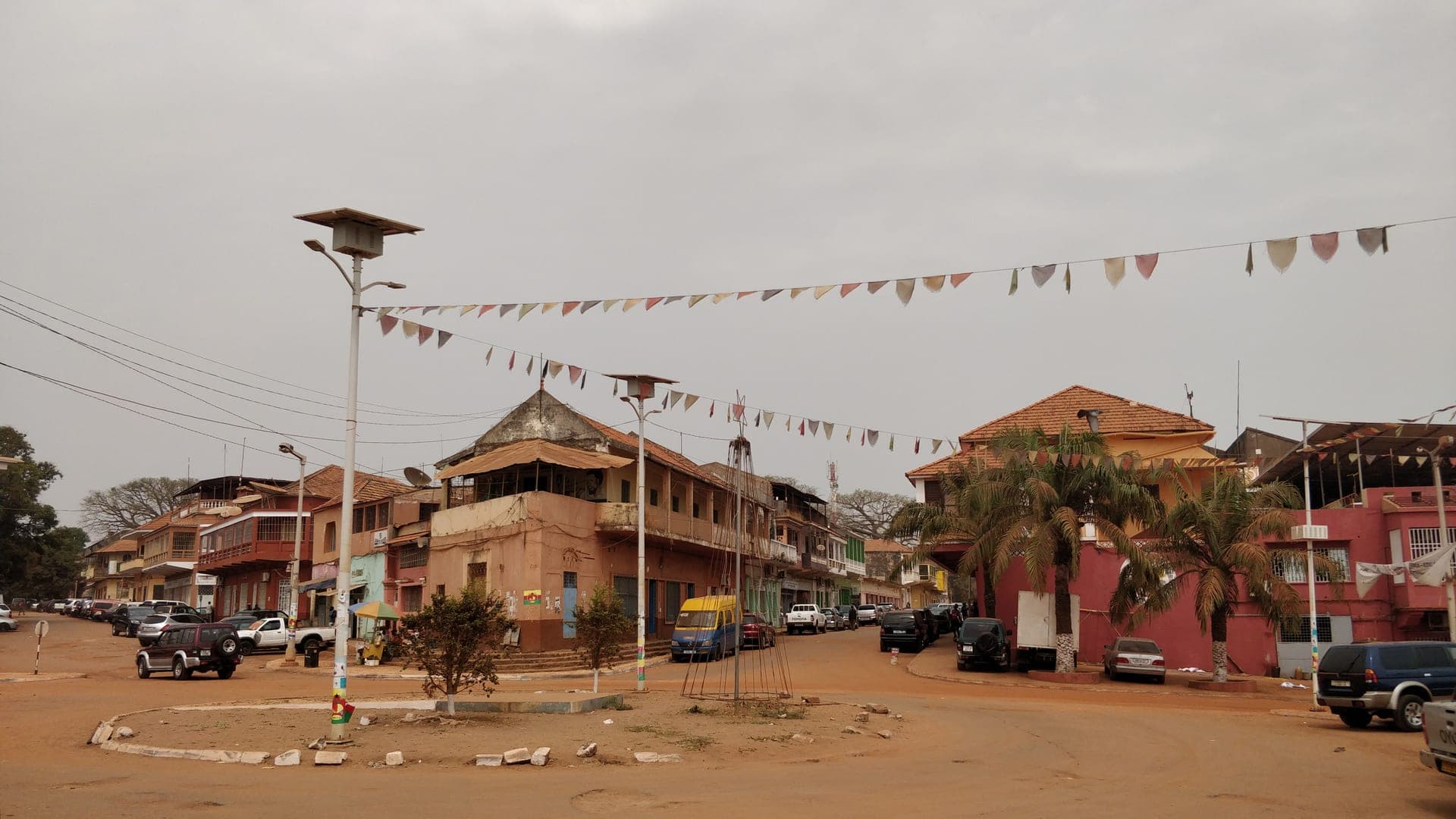
 Photo by Jcornelius, CC BY-SA 4.0, via Wikimedia Commons
Guinea-BissauTourism
Guinea-Bissau's real draw is offshore: the Bijagós Archipelago's 88 islands, a UNESCO Biosphere Reserve where saltwater hippos wade the lagoons and green turtles nest undisturbed, reached from a low-key Portuguese-Creole capital that has changed hands more often at the top than almost anywhere in Africa.
A country measured in horizons.
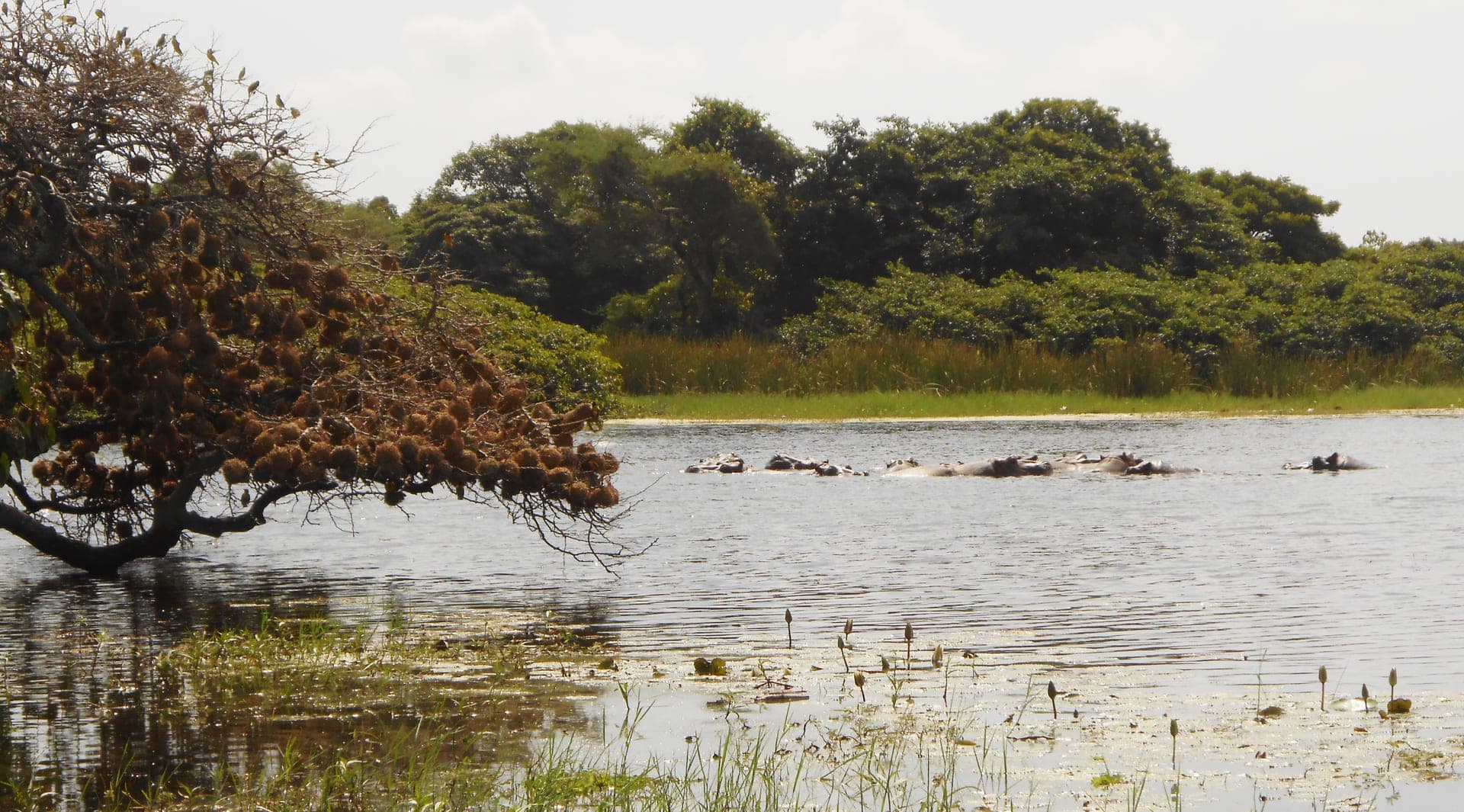
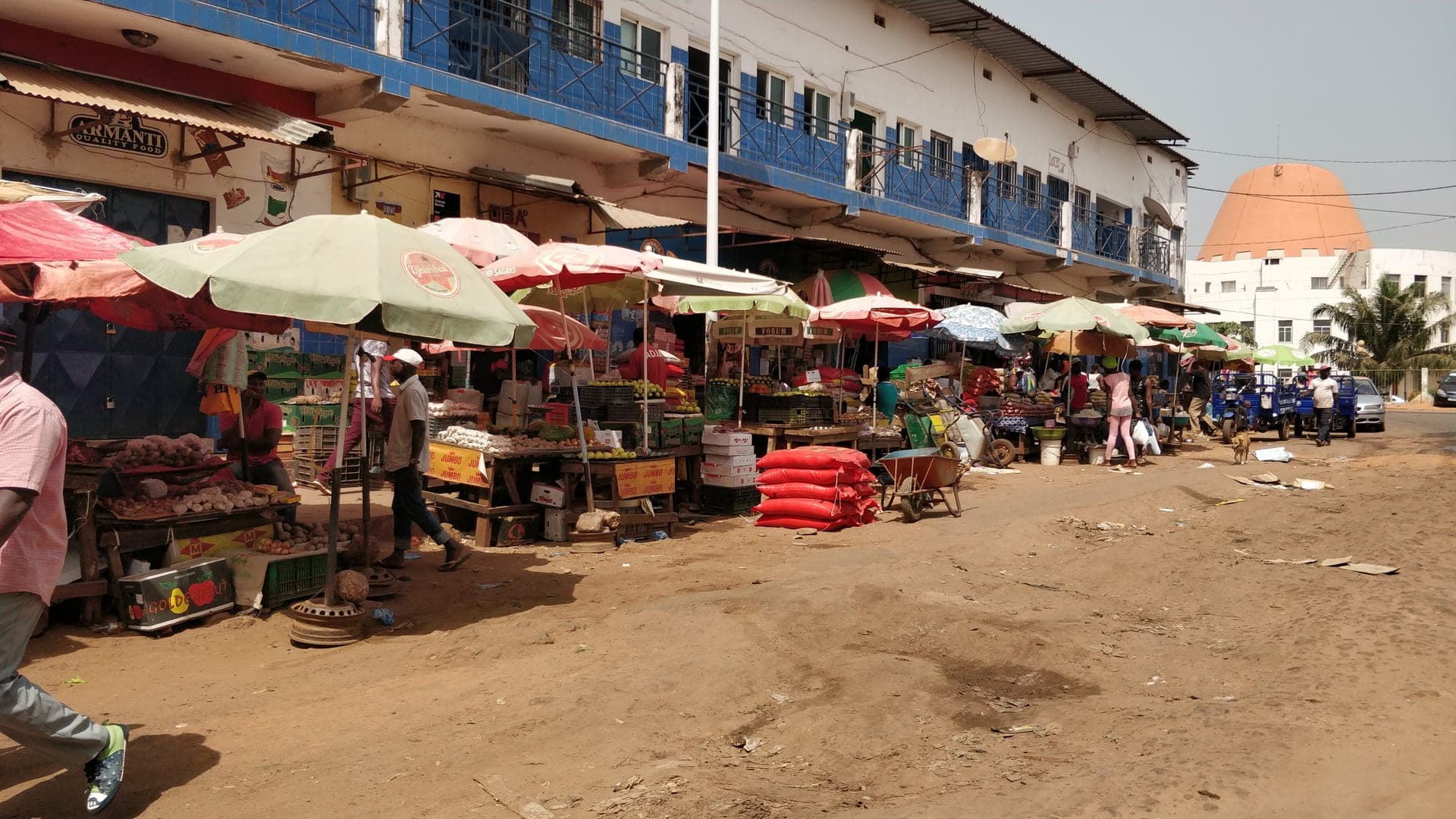
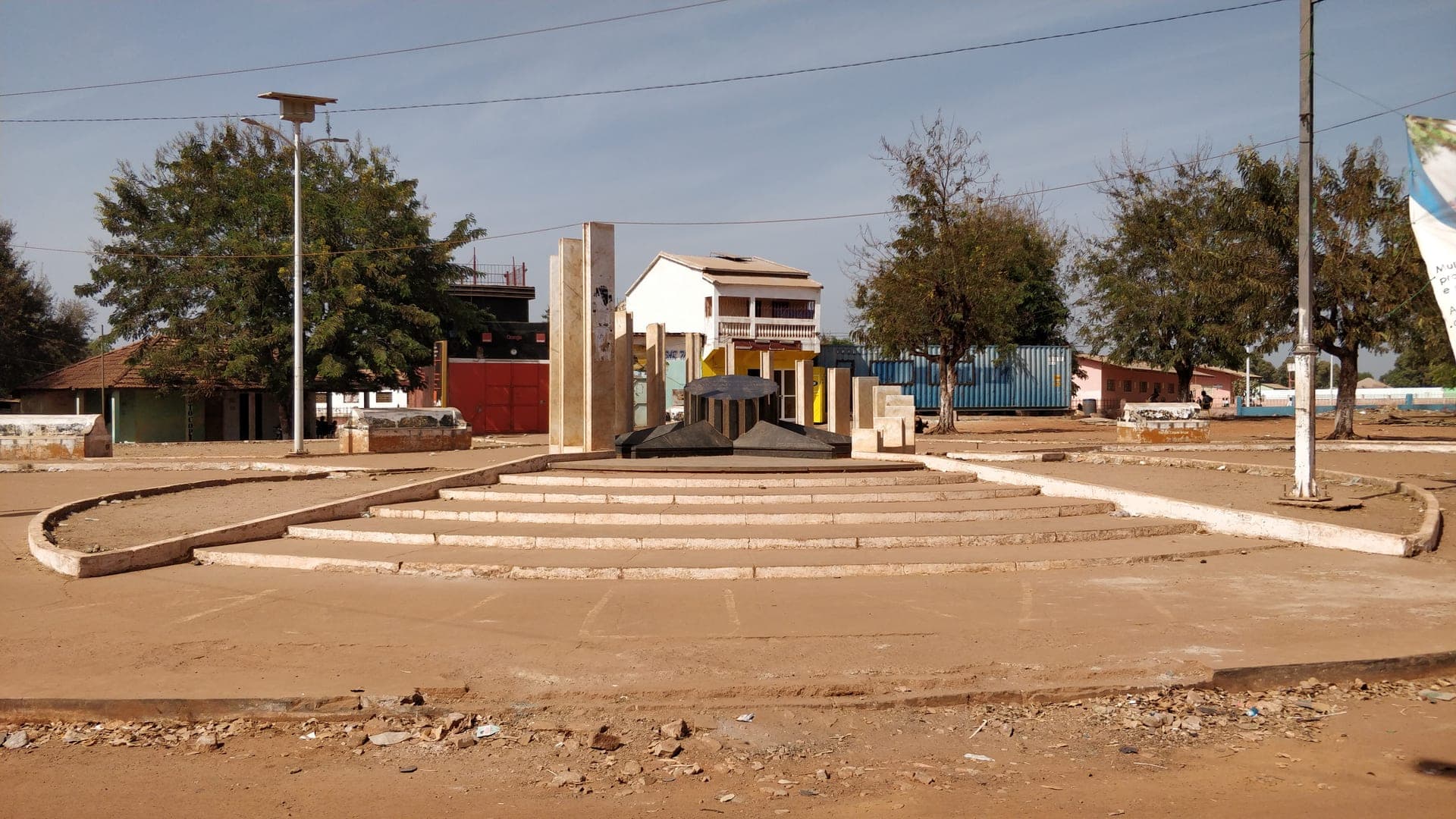
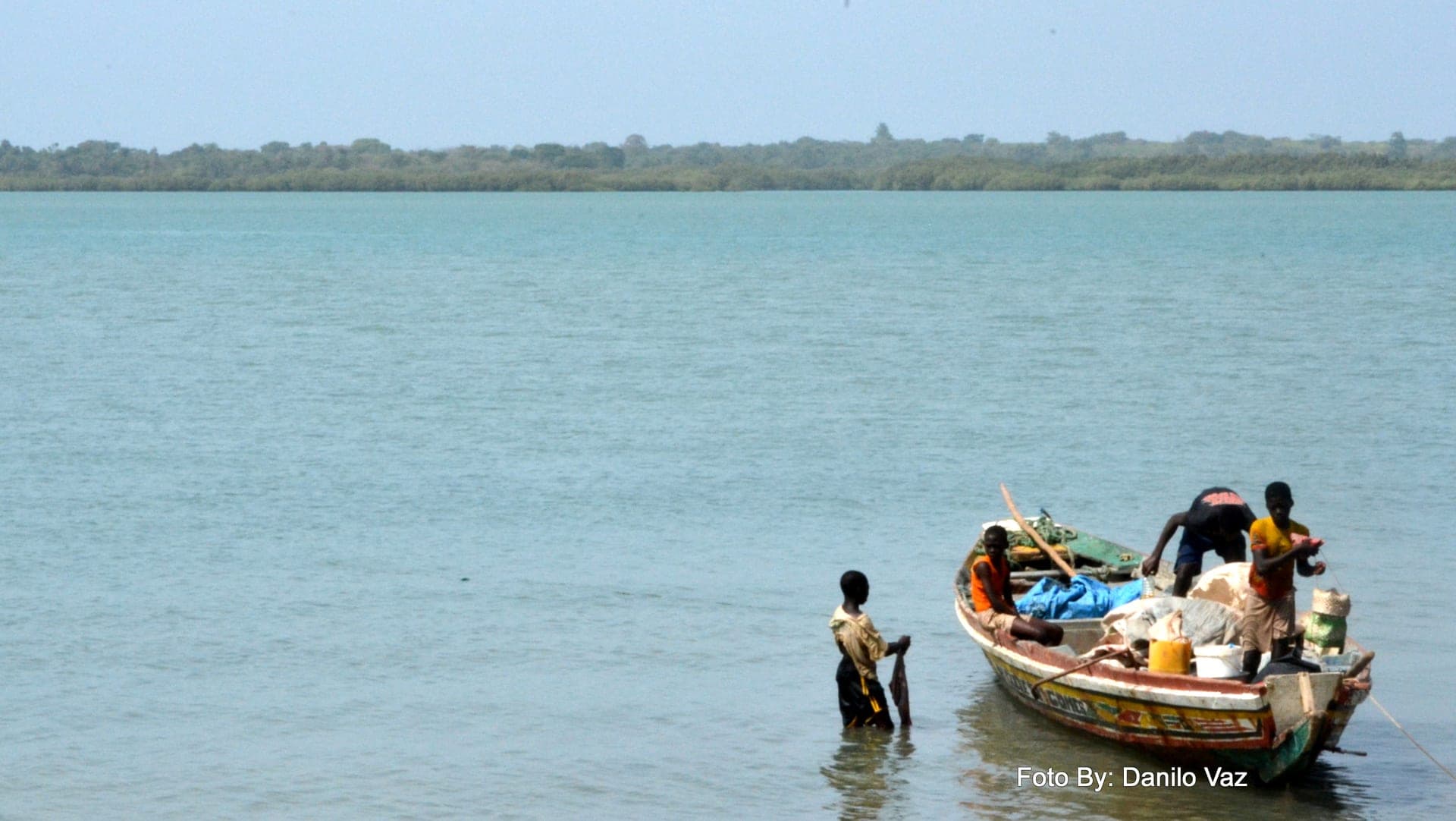
Guinea-Bissau is a small, low-lying country between Senegal and Guinea, its mainland cut by tidal rivers and mangrove creeks that spill into the Atlantic. Offshore, the Bijagós Archipelago — around 88 islands and islets, only about 20 of them inhabited — forms a UNESCO Biosphere Reserve of exceptional biodiversity: saltwater-tolerant hippos wade between Orango's lagoons, the João Vieira and Poilão Marine National Park protects one of the world's most important green turtle nesting sites, and the Bijagós people maintain a matriarchal social structure and initiation traditions largely unaltered by the mainland's Portuguese colonial history. Bissau itself, the capital, keeps a compact Portuguese-era old town (Bissau Velho) around Praça de Amílcar Cabral, with colonial-era warehouses, the Fortaleza de São José de Amura, and the bustling Mercado de Bandim and Mercado Central. Inland, Bafatá and Gabu carry the legacy of the Kaabu kingdom, a Mandinka successor state to the Mali Empire that dominated the region until the 19th century, and the Bolama Island, the country's first colonial capital, still holds crumbling Portuguese administrative buildings from before the seat of government moved to Bissau in 1941.
Guinea-Bissau's post-independence history has been unusually turbulent even by regional standards: since breaking from Portugal in 1974 after a brutal 11-year liberation war led by Amílcar Cabral (assassinated in 1973, a year before independence he did not live to see), the country has experienced repeated coups and attempted coups, including a civil war in 1998–99. The most recent rupture came on 26 November 2025, when President Umaro Sissoco Embaló was detained in a coup a day before the results of a contested general election were due; the military's High Military Command for the Restoration of National Security and Public Order, led by General Horta Inta-A Na Man, has since declared a one-year transitional government, restricted opposition activity, and suspended several media outlets. Regional and international bodies including the UN and ECOWAS have condemned the takeover and called for a return to constitutional order.
Most travellers arrive at Osvaldo Vieira International Airport in Bissau. A visa is required for most non-West African nationalities — citizens of 14 ECOWAS states enter visa-free, and an eVisa system covers roughly 42 other nationalities, with all others applying at a Guinea-Bissau embassy in advance. A yellow fever certificate and 6-month passport validity are required. The dry season from December to May is the easiest window and the only realistic time to island-hop the Bijagós by boat; the rains from June to October make travel outside Bissau difficult. Given the November 2025 coup and the resulting transitional military government, travellers should check current advisories closely before planning a trip — the political situation in Bissau is fluid, though the Bijagós Archipelago has so far remained outside the unrest.
Practical info.
Climate
Best time: December–May (dry season, essential for Bijagós island travel); rains June–October.
Visa & entry
eVisa or embassy visa required for most non-ECOWAS nationalities. ECOWAS citizens (14 West African states) enter Guinea-Bissau visa-free. An eVisa system covers roughly 42 other nationalities for stays of 30–365 days; all other travellers must apply at a Guinea-Bissau embassy in advance. Passport valid 6+ months and a yellow fever certificate are required. Following the 26 November 2025 coup that removed President Embaló, the country is under a transitional military government; check current travel advisories closely, as the political situation in Bissau remains fluid even though the Bijagós Archipelago has stayed outside the unrest.
Money
West African CFA franc (XOF). Mobile money is widely accepted; carry some cash for rural travel.
Safety & health
Anti-malarial cover for low-elevation regions; standard travel insurance recommended.
How is Guinea-Bissau measured?
Tourism is the story; data is the context. Health, population, economy and climate indicators across Guinea-Bissau — sourced from the World Bank, WHO and UNICEF.
See Guinea-Bissau in numbers