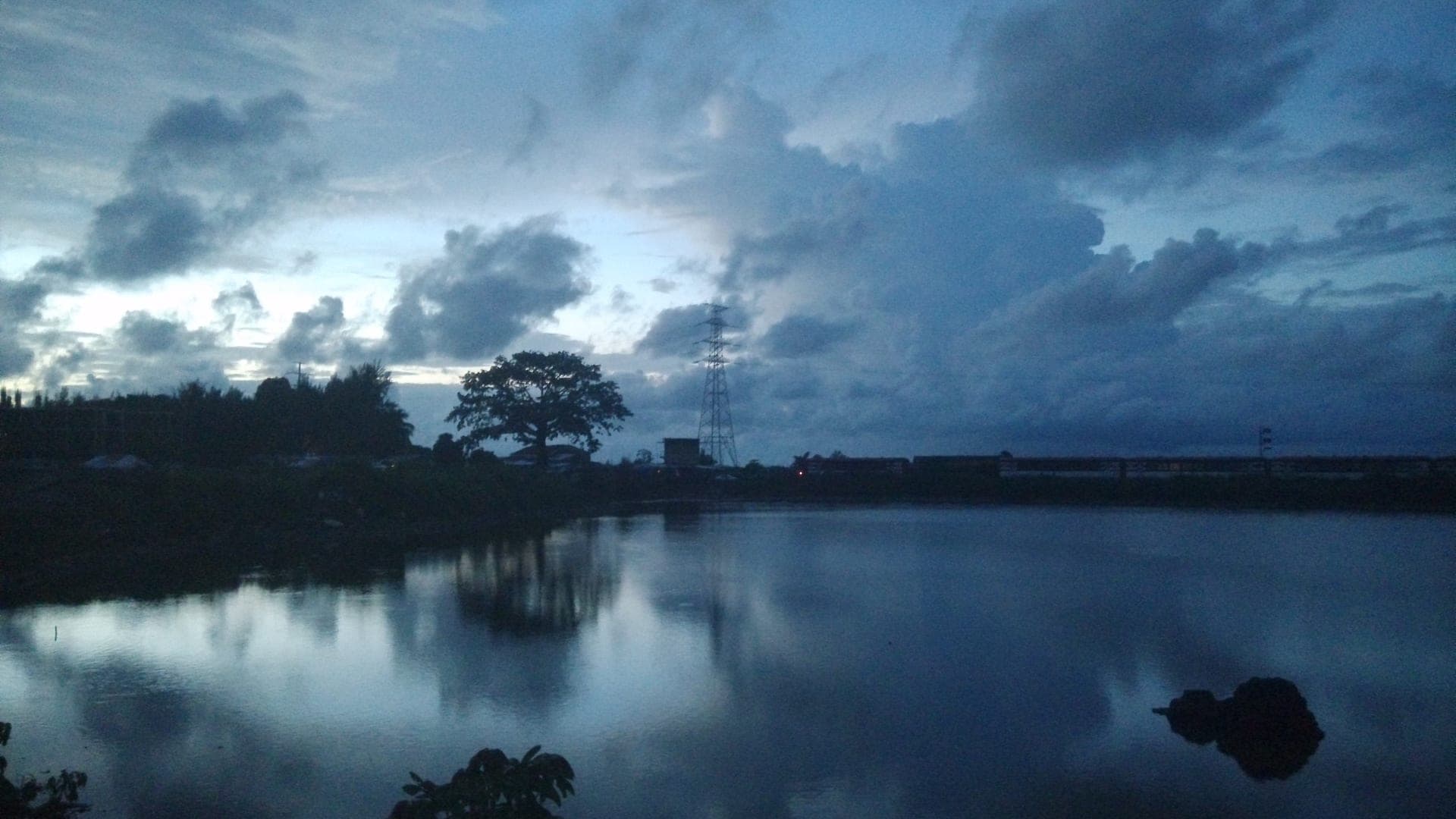
 Photo via Wikimedia Commons, CC BY-SA 4.0
GuineaTourism
Guinea is West Africa's water tower — the source of the Niger, Gambia, and Senegal rivers — rising from the Conakry coast through the cool highlands of the Fouta Djallon to Mount Nimba's cloud forest on the border with Liberia and Côte d'Ivoire.
A country measured in horizons.
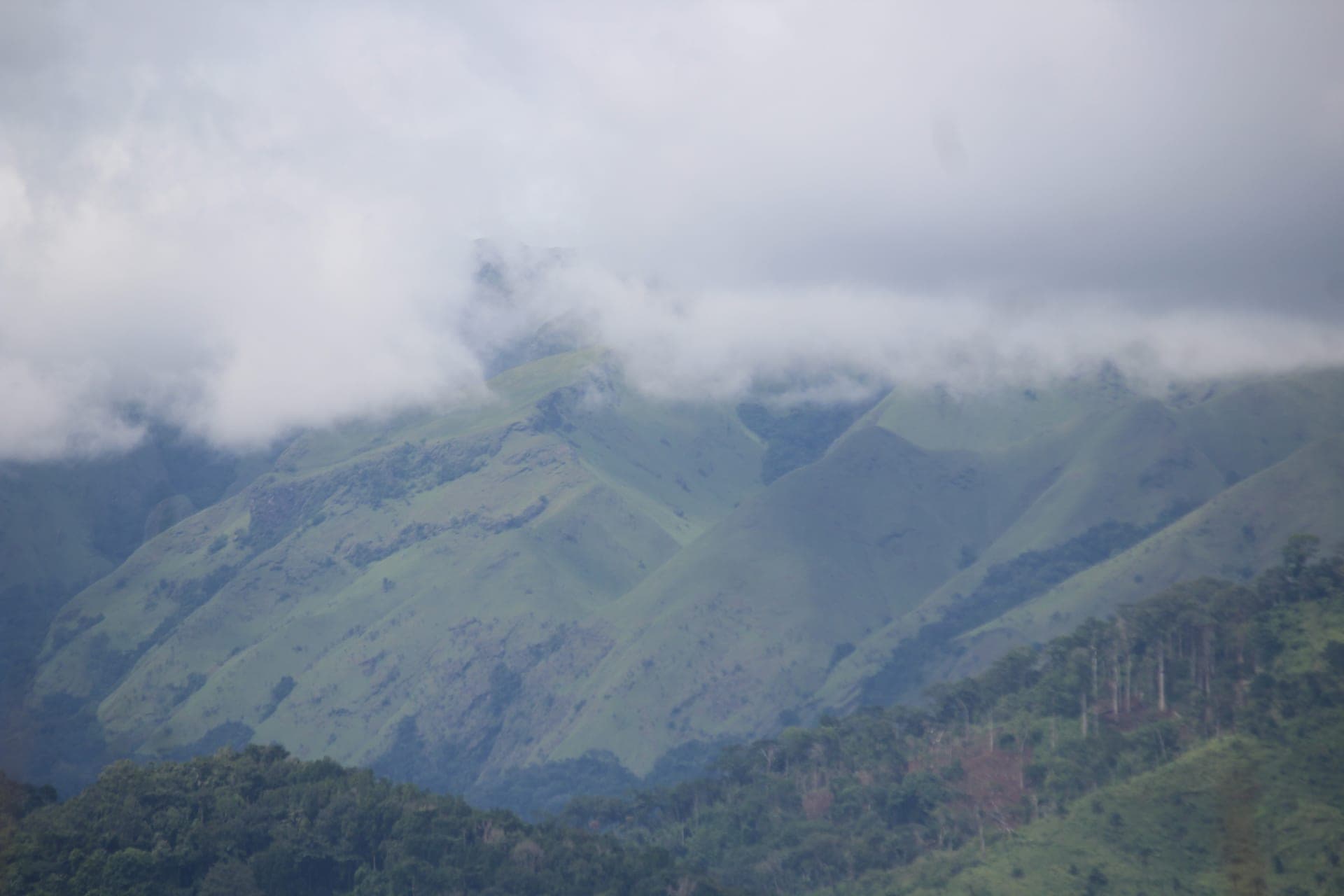
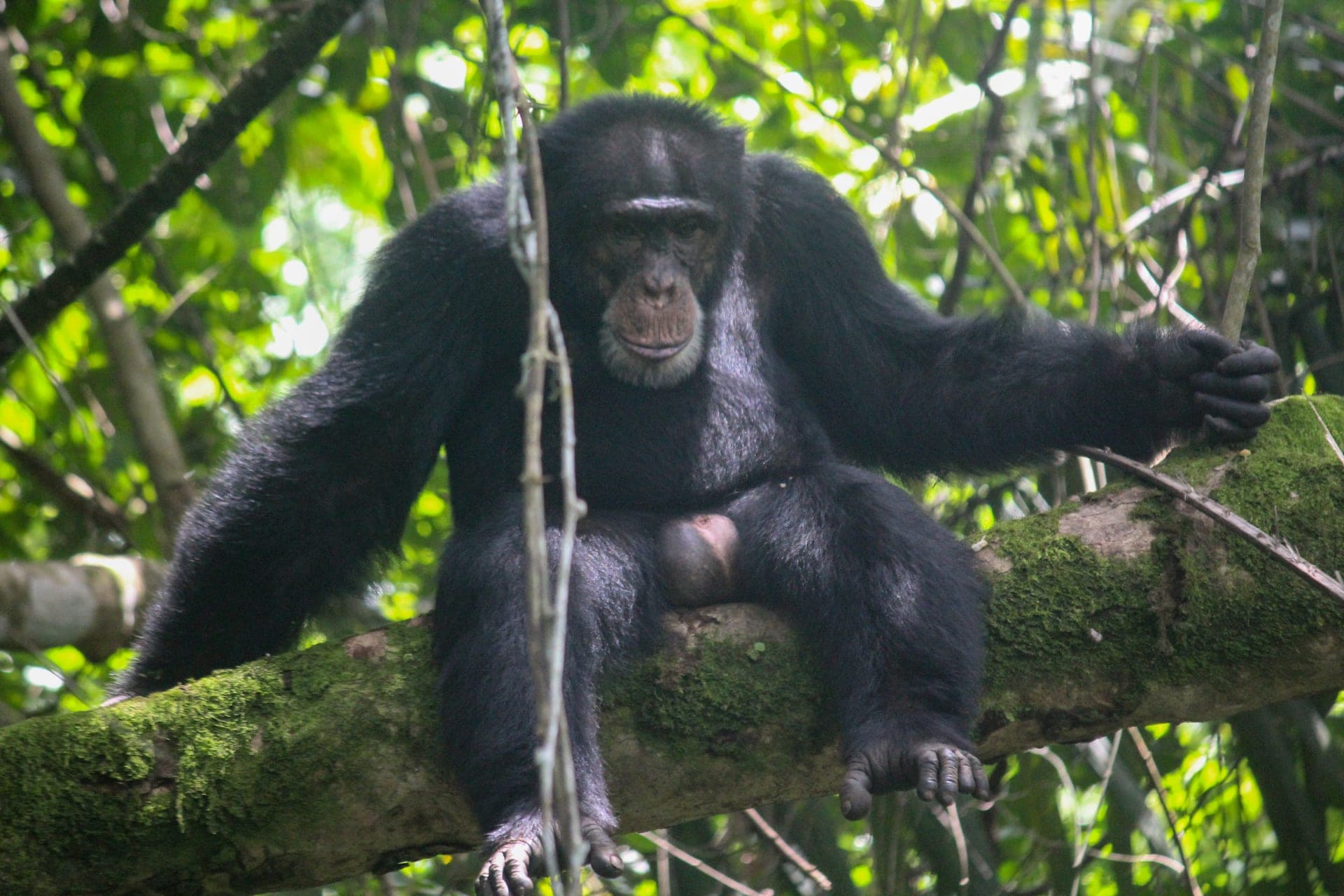
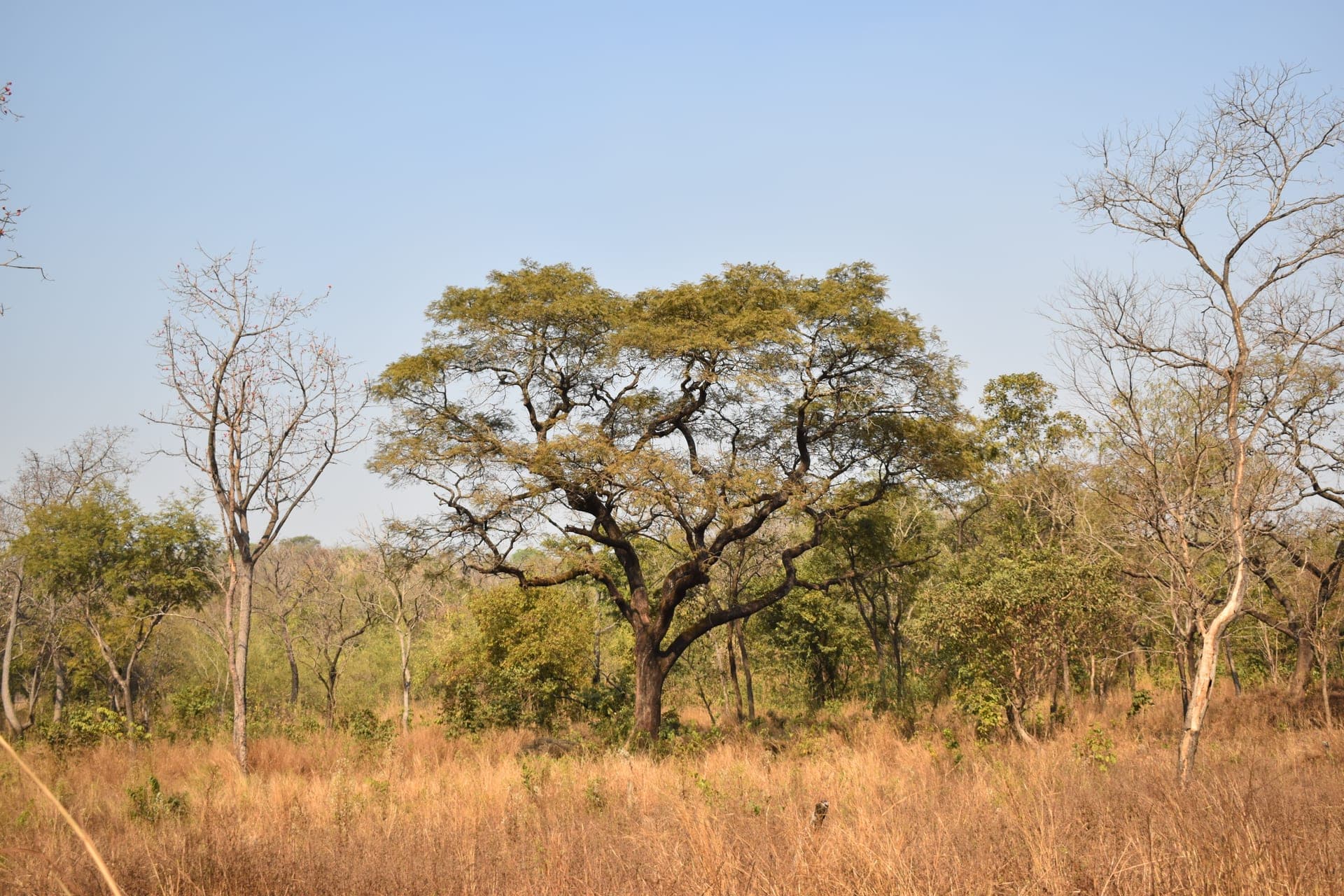
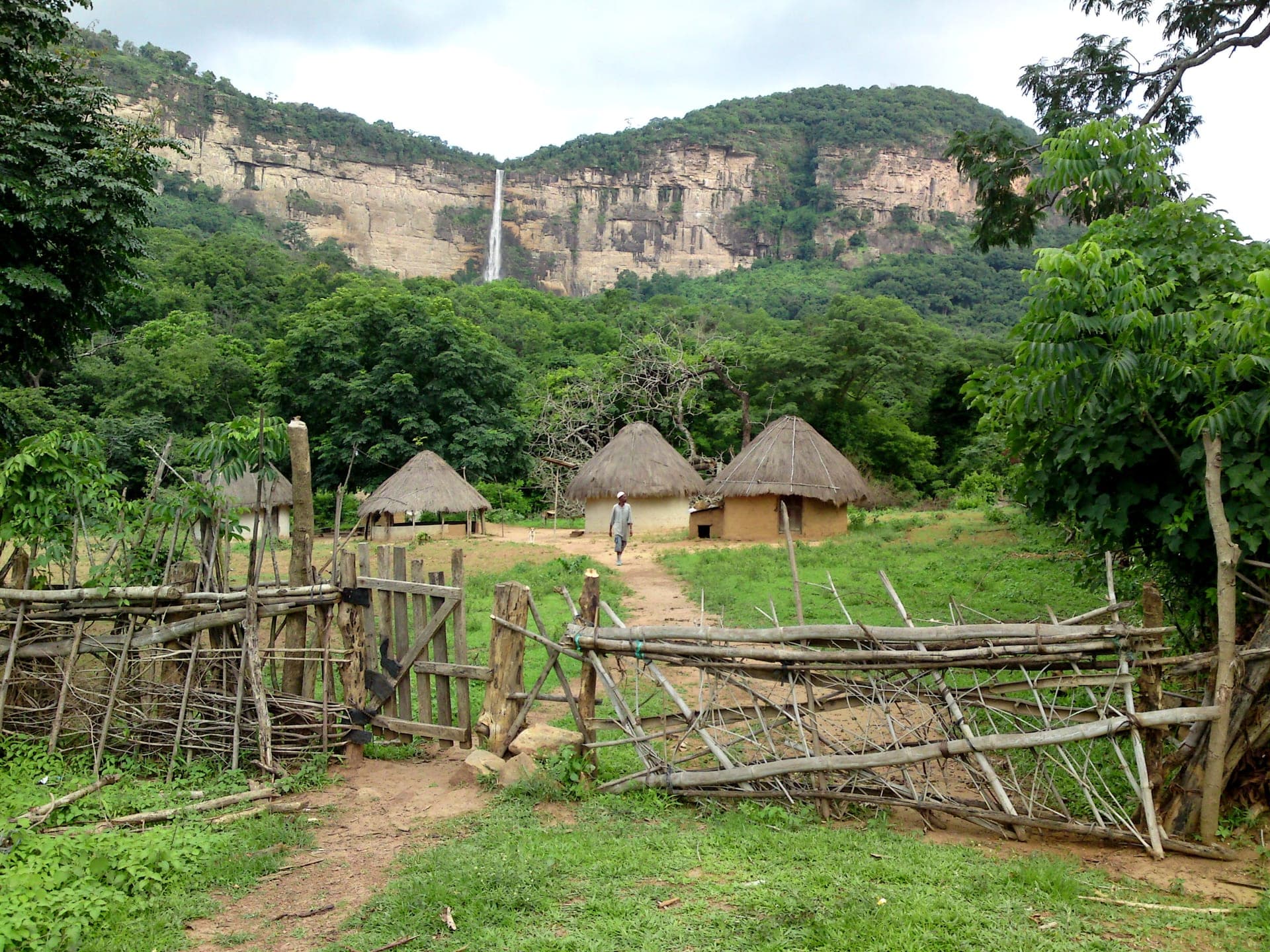
Guinea forms a rough crescent along West Africa's Atlantic coast, split into four distinct zones: the humid Lower Guinea coastal belt around Conakry; the Fouta Djallon, a cool sandstone plateau in the centre-west that gives rise to the Niger, Gambia, and Senegal rivers and has made Guinea the source of most of the region's fresh water; Upper Guinea's dry savanna around Kankan; and the forested Guinée Forestière in the southeast, which rises to Mount Nimba on the Liberia and Côte d'Ivoire borders — at 1,752 metres the highest point in West Africa outside the Cameroon volcanic line, and a UNESCO Strict Nature Reserve for its unique high-altitude fauna, including viviparous toads found nowhere else. Deeper into the forest zone, the village of Bossou has hosted one of the longest-running studies of wild chimpanzees anywhere, tracking a community famous for cracking nuts with stone tools since the 1970s. Upper Guinea's Parc National du Haut Niger protects savanna woodland along the young Niger River, with lion, chimpanzee, and elephant populations recovering under conservation management.
Guinea holds roughly a quarter of the world's known bauxite reserves, making mining the backbone of an economy that otherwise ranks among the world's poorest by income. Ahmed Sékou Touré led Guinea to a famously abrupt break with France at independence in 1958 — the only French colony to reject de Gaulle's referendum outright — and ruled as an increasingly authoritarian one-party state until his death in 1984. Lansana Conté then held power for 24 years, followed by Alpha Condé, whose 2020 constitutional manoeuvre to secure a third term triggered the coup that brought Colonel Mamadi Doumbouya to power in September 2021. Doumbouya subsequently ran for president himself, winning the December 2025 election with over 86% of the vote after barring his most prominent rivals from the ballot, and was inaugurated as civilian president in January 2026 — a transition international observers have described as a formal return to constitutional rule with the substance of continued military-aligned control.
Most travellers arrive at Conakry's Ahmed Sékou Touré International Airport. Guinea's eVisa, applied for online in advance through the official portal at paf.gov.gn, covers most nationalities at around USD 80 for a single-entry 30-day stay; a passport valid 6+ months and a yellow fever certificate are required. The best travel window is the dry season from November to April, particularly for the Fouta Djallon highlands and Mount Nimba; the rainy season from May to October brings the heaviest rain to the forest zone. The US State Department currently rates Guinea Level 2 (Exercise Increased Caution), reflecting sporadic political unrest and crime risk in Conakry rather than any specific threat to the highland or forest travel circuit.
Practical info.
Climate
Best time: November–April (dry season, best for Fouta Djallon and Mount Nimba); rains May–October.
Visa & entry
eVisa via paf.gov.gn required for most nationalities. Guinea's eVisa is applied for online in advance through the official portal (paf.gov.gn); it costs around USD 80 for a single-entry 30-day stay, with processing in about 3 business days. Passport valid 6+ months, a yellow fever certificate, and proof of onward travel are required. US State Department rates Guinea Level 2 (Exercise Increased Caution) as of February 2026, reflecting periodic political unrest and crime risk concentrated in Conakry.
Money
Guinean franc (GNF). Mobile money is widely accepted; carry some cash for rural travel.
Safety & health
Anti-malarial cover for low-elevation regions; standard travel insurance recommended.
How is Guinea measured?
Tourism is the story; data is the context. Health, population, economy and climate indicators across Guinea — sourced from the World Bank, WHO and UNICEF.
See Guinea in numbers