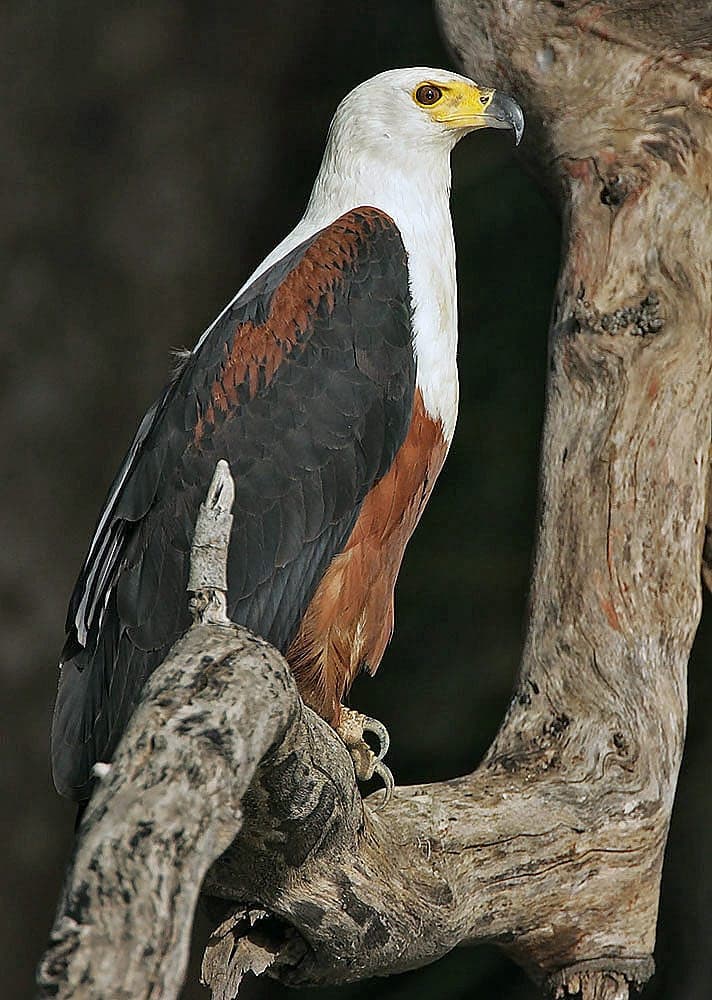
Photo by Martijn Russchen, CC BY 2.0, via Wikimedia Commons
GambiaTourism
Africa's smallest mainland country traces a single river inland from the Atlantic — Kunta Kinteh Island's ruined slave-trade fort, the ancient stone circles at Wassu, and Banjul's Kachikally crocodile pool — all packed into a sliver of land barely wider than the Gambia River itself.
A country measured in horizons.
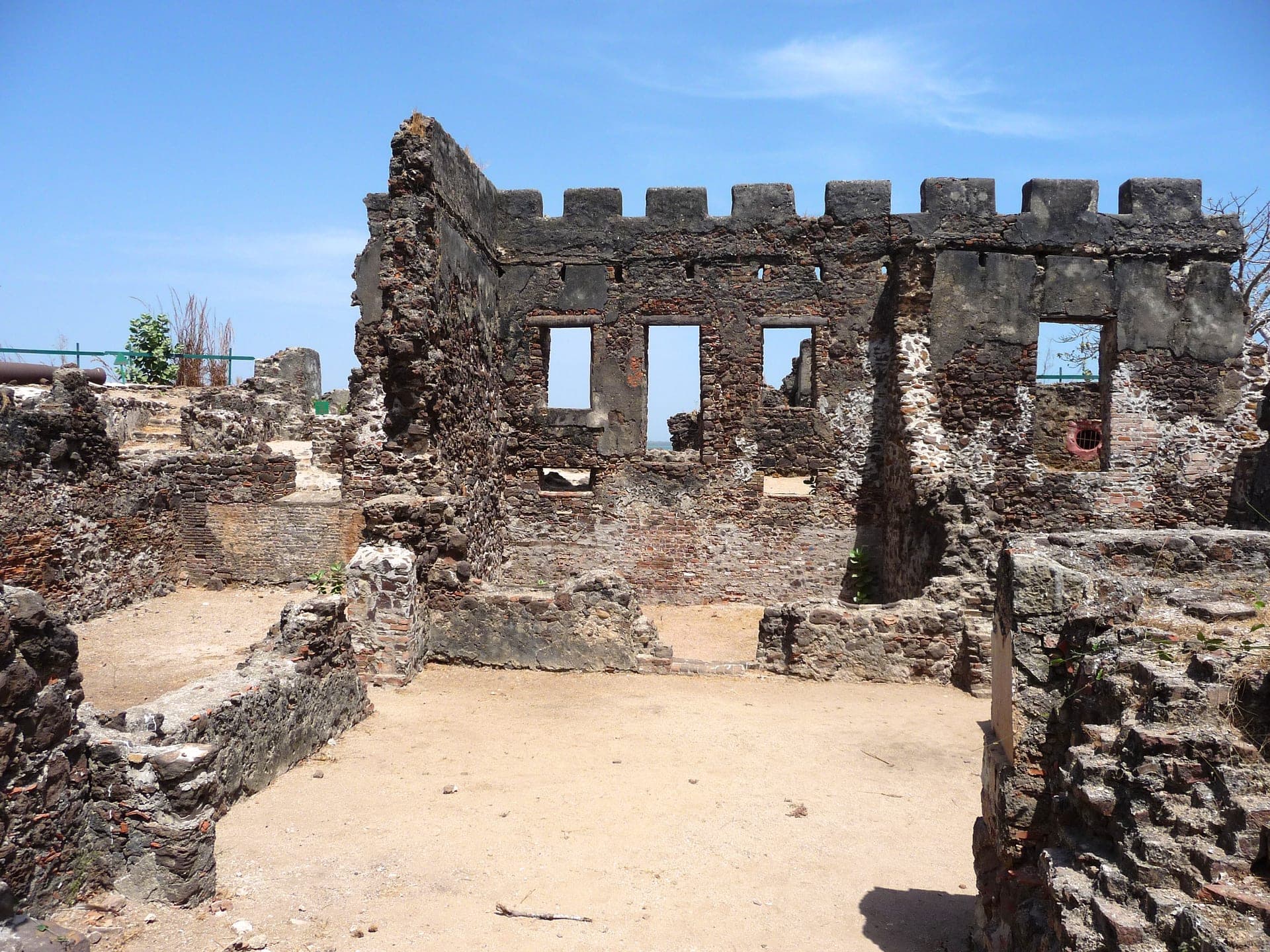
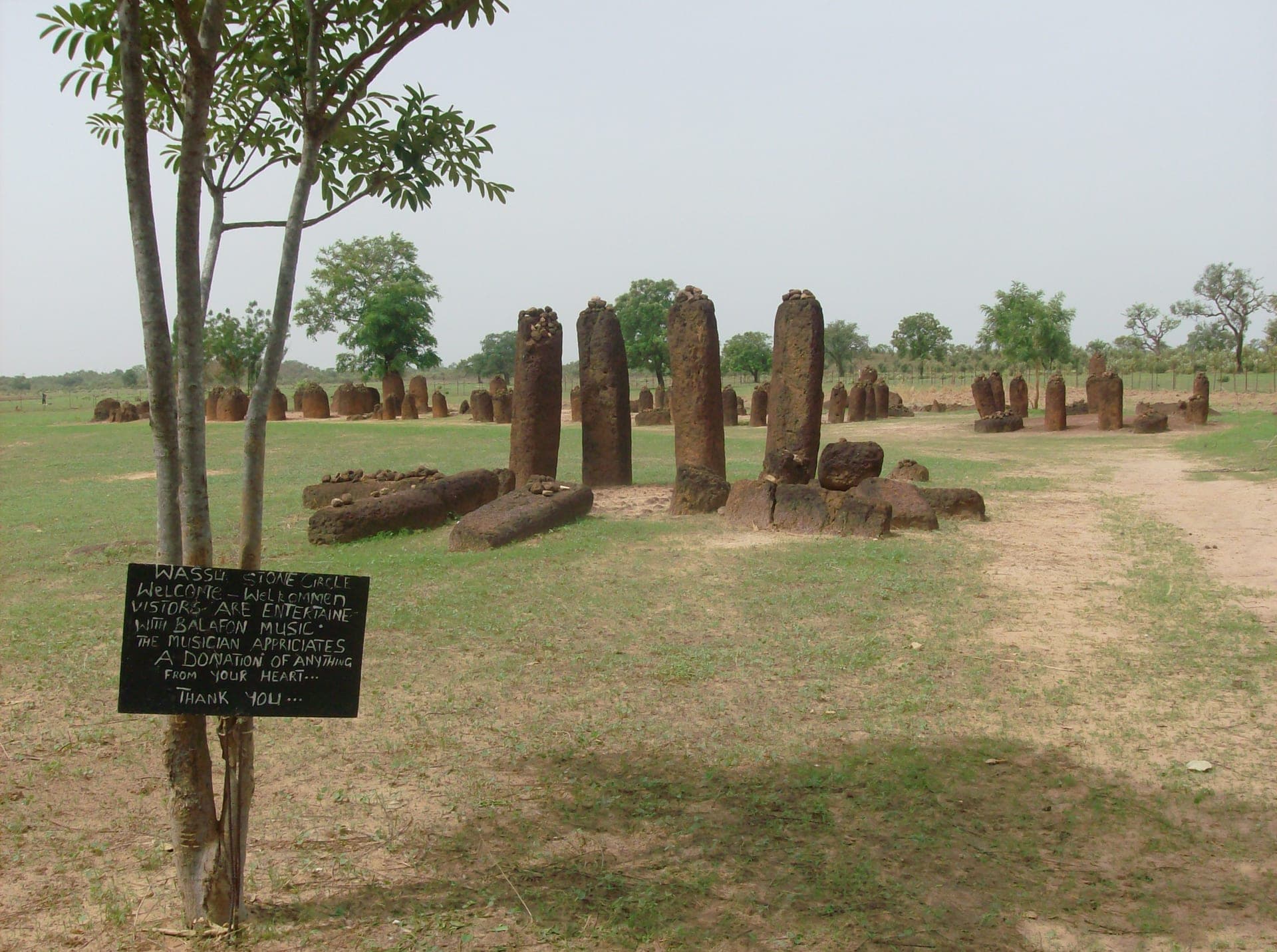
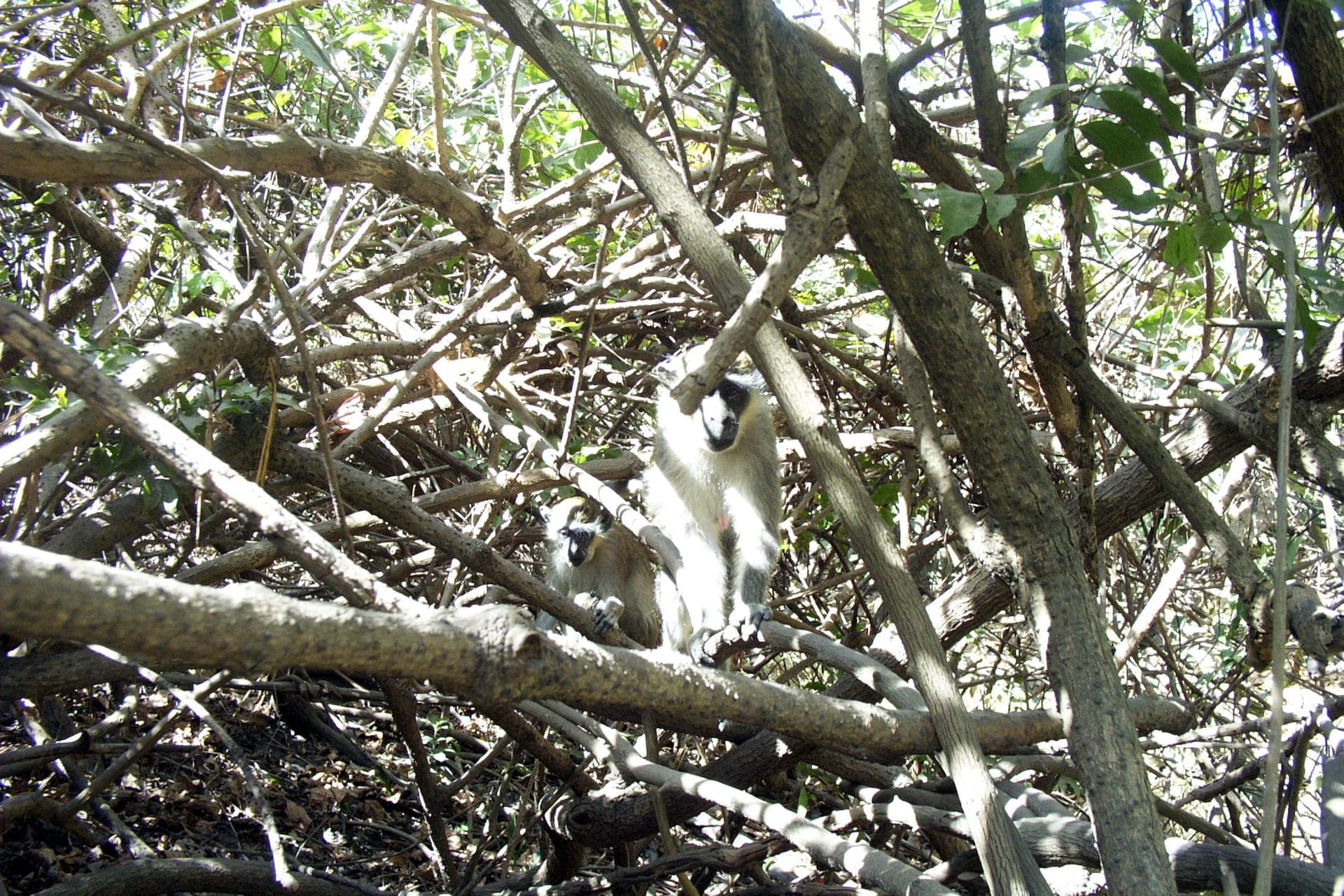
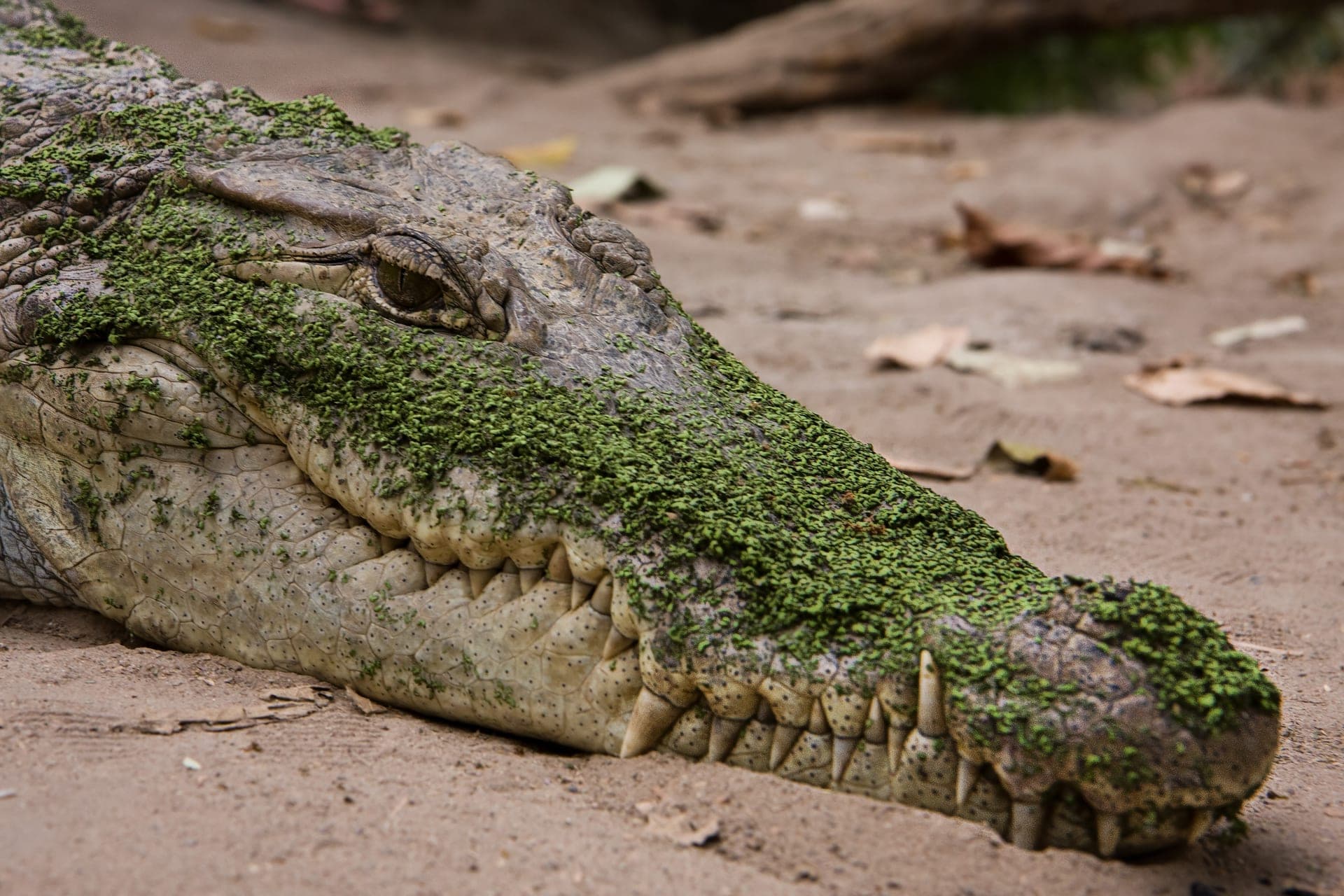
The Gambia is defined entirely by its river: a narrow strip of territory rarely more than 50 kilometres wide, surrounded on three sides by Senegal, tracing the Gambia River roughly 300 kilometres inland from the Atlantic. Kunta Kinteh Island (known as James Island until a 2011 renaming, after the enslaved ancestor in Alex Haley's novel Roots) sits midriver near Juffureh; its ruined fort, built by Baltic German settlers from the Duchy of Courland in 1651 and passed between European powers afterward, became a key node in the trans-Atlantic slave trade and is UNESCO-listed today alongside related sites at Albreda and Fort Bullen. Upriver near Janjanbureh, the Wassu stone circles are part of the Senegambian megaliths — the largest concentration of stone circles anywhere in the world, laterite pillars raised over burial sites across more than 1,500 years, also UNESCO-listed since 2006. Near the coast, Abuko Nature Reserve was the country's first protected area (1916) and packs crocodiles, monkeys, and dense gallery forest into a small reserve minutes from Banjul, while Kachikally Pool in Bakau keeps sacred crocodiles that locals and visitors alike can approach at close range. Upriver again, the Baboon Islands in River Gambia National Park have hosted a chimpanzee rehabilitation project since 1979, rehoming chimps confiscated from the illegal wildlife trade onto islands where humans cannot land.
Mandinka, Fula, Wolof, Jola, and other communities share the river valley, with English retained as the sole official language from the British colonial period (Gambia gained independence in 1965). Long-serving president Yahya Jammeh, who took power in a 1994 coup and ruled increasingly authoritarian for 22 years, lost the December 2016 election to Adama Barrow and was forced into exile in January 2017 after a regional military intervention by ECOWAS. Barrow has governed since, winning re-election in December 2021 in a vote regarded as a genuine consolidation of the young democracy; the Gambia rejoined the Commonwealth in 2018 after Jammeh had withdrawn it in 2013. Tourism is genuinely important to the economy — the beach resorts around Kololi and Kotu on the Atlantic coast form the country's main foreign-exchange earner outside remittances, alongside groundnuts.
Most international flights land at Banjul International Airport. The Gambia keeps one of the more open visa regimes in the region: ECOWAS nationals travel visa-free, as do citizens of the EU, UK, and a long list of Commonwealth and other countries for stays up to 90 days, with entry stamps issued free at the airport or land borders. The dry season from November through May is the standard travel window and coincides with the coastal resort season and the best birdwatching; the rains from June through October bring high humidity and make upriver travel to Wassu and Janjanbureh harder. The compact geography means Kunta Kinteh Island, Wassu, Abuko, and Kachikally can all realistically fit into a single one- or two-week river-based itinerary out of Banjul.
Practical info.
Climate
Best time: November–May (dry season, coastal resort and birdwatching season); June–October is hot and humid.
Visa & entry
Visa-free for ECOWAS, EU, UK, and most Commonwealth nationalities up to 90 days. The Gambia runs an open visa regime: ECOWAS citizens travel visa-free, as do EU, UK, and most Commonwealth nationals (including Australia and Canada) for stays up to 90 days, with free entry stamps at Banjul International Airport or land borders (Amdalai, Giboro). Travelers outside these lists face a tiered system of eVisa or embassy visa depending on nationality. Passport must be valid 6+ months with two blank pages; proof of onward travel, accommodation, and yellow fever certificate may be requested.
Money
Gambian dalasi (GMD). Mobile money is widely accepted; carry some cash for rural travel.
Safety & health
Anti-malarial cover for low-elevation regions; standard travel insurance recommended.
How is Gambia measured?
Tourism is the story; data is the context. Health, population, economy and climate indicators across Gambia — sourced from the World Bank, WHO and UNICEF.
See Gambia in numbers